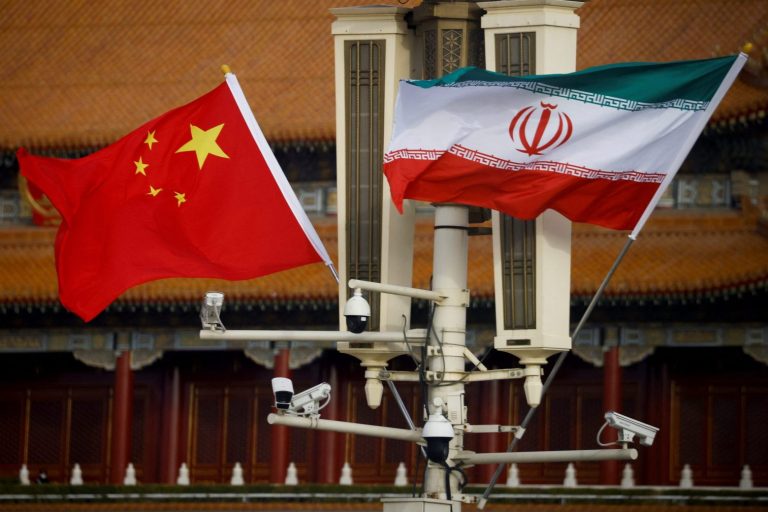
The intense fighting that erupted across Iran in late February has created fresh dilemmas for Beijing. US and Israeli strikes, which resulted in the death of Supreme Leader Ali Khamenei, drew measured but increasingly firm statements from Chinese diplomats calling for respect of sovereignty and an end to military action. Rather than seize the moment for high-profile intervention, leaders in Beijing have focused on protecting their economy while preserving flexibility in a volatile region.
China has so far absorbed the immediate shocks better than many trading partners. Although the country draws roughly half its crude imports from the Middle East, strategic reserves, accelerated domestic output, and the rapid spread of electric vehicles have limited fuel shortages at home. First-quarter growth reached 5%, helped by robust exports in high-tech manufacturing even as some buyers stockpiled goods ahead of potential price rises.
Industrial Chains and Supply Risks
Longer-term risks remain visible in specific industrial chains. Iran previously provided nearly half of China’s imported methanol, and the conflict has driven price increases of 15% to 30% for that and related chemicals. Sulphur supplies, heavily dependent on the region, have pushed up fertilizer costs and complicated spring planting.
In response, authorities have banned exports of certain acids to safeguard domestic needs and signaled fresh determination to improve energy security. These pressures have reinforced an existing drive toward self-reliance. The Politburo has repeatedly highlighted the economy’s underlying strength while directing officials to reduce vulnerabilities in resources and supply routes.
The crisis has also highlighted a silver lining: global interest in Chinese solar panels, batteries, and electric vehicles has grown as nations confront the fragility of fossil-fuel dependence. Exports of these clean-technology products reached record levels in recent months.
Diplomatic Hedging and Regional Balancing
Beijing’s diplomatic moves have shown similar caution. Its initial reaction was less forceful than the condemnation issued after the capture of Venezuela’s Nicolás Maduro or even after the 2023 Hamas attacks on Israel. Officials have consistently returned to the five principles of peaceful coexistence rather than volunteer as chief mediator. When Iran and Gulf states traded strikes, Chinese envoys stressed respect for all parties’ security while abstaining from a UN Security Council resolution seen as unbalanced.
This hedging reflects real difficulties. China once earned praise for helping engineer the Saudi-Iran reconciliation in 2023, yet divergent interests among its regional partners have complicated that neutral image. Joining Pakistan in a five-point proposal calling for ceasefires, civilian protection, secure shipping lanes, and primacy of the UN Charter allowed Beijing to contribute without overcommitting. Reports that Iranian forces drew on Chinese satellite technology in certain operations only add to the balancing challenge.
Future Diversification and Strategic Buffers
The conflict has prompted internal debate about reducing future exposure. Experts discuss strengthening energy ties with Russia, Brazil, and producers across Africa and Central Asia, including assistance with local production facilities. Multilateral groups such as BRICS could help coordinate pressure for stable global energy markets, though Chinese interests would remain the priority.
China has historically shown greater diplomatic energy in disputes close to its borders. The current approach suggests that, outside its immediate neighborhood, officials prefer quiet economic statecraft over prominent mediation. The diversion of American attention and munitions has offered indirect strategic benefits in the Pacific, yet Beijing shows no desire to fill any security vacuum militarily.
How long the Strait of Hormuz stays disrupted will shape the ultimate impact on energy prices, regional alliances, and relations between Middle Eastern states and the major powers. For now, Chinese strategy centers on deepening domestic buffers and selective partnerships that gradually pull more countries toward its preferred economic and diplomatic frameworks. This focus on patience and internal strength may prove more enduring than any single mediation effort.
Original analysis inspired by Meia Nouwens from International Institute for Strategic Studies. Additional research and verification conducted through multiple sources.