Tag: Ceasefire

Vladimir Putin shaking hands with an Iranian official in a formal setting.

Hormuz Crisis Elevates Russia’s Role in Iran Diplomacy

Iran is intensifying its diplomatic outreach to Moscow and regional brokers like Oman to navigate the ongoing Hormuz crisis. By prioritizing maritime security and economic stability over immediate nuclear talks, Tehran aims to leverage global energy concerns and Russia’s mediation to counter U.S. pressure and secure long-term regional guarantees.

Read More »
JD Vance speaking at a podium with the US Seal during a formal briefing.

The US–Iran Peace Puzzle: Why Islamabad Didn’t Deliver

The collapse of the Islamabad talks has exposed the deep-seated mistrust and “maximalist” positions hindering a US-Iran peace deal. While a fragile ceasefire holds until April 22, the 15-year gap in nuclear enrichment proposals and the ongoing naval blockade of the Strait of Hormuz suggest that both nations are still far from a sustainable regional settlement.

Read More »
A digital maritime map showing heavy shipping traffic and vessel icons in the Strait of Hormuz.

Strait of Hormuz: A Blockade Both Sides Can’t Afford to Lose

The U.S. naval blockade of Iran’s coast has turned the Strait of Hormuz into a high-stakes endurance test. While Iran faces critical oil storage limits and a crippled economy, Washington must navigate global energy shortages and domestic political pressure, making the next round of talks vital for regional stability.

Read More »
Children waving yellow Hezbollah flags from a car sunroof in front of destroyed buildings.

Lebanon–Israel Talks: Historic Step, Uncertain Road

In a landmark diplomatic breakthrough hosted in Washington, Israeli and Lebanese officials engaged in their first direct negotiations in over 40 years. While a fragile 10-day cessation of hostilities has been established, the roadmap to a permanent peace faces significant hurdles, including the structural challenge of disarming Hezbollah and asserting Lebanese state sovereignty amid ongoing regional tensions.

Read More »
USA and Iran flags standing side-by-side behind a row of press microphones.

Islamabad and the New Diplomacy: The Global South Steps Forward

The recent talks in Islamabad mark a structural shift in global diplomacy, signaling the rise of the Global South as a primary architect of international security. As Western mediation falters, the “Islamabad Process” demonstrates how multi-aligned regional powers are now indispensable in resolving complex conflicts and shaping a multipolar world.

Read More »
Split image of Shehbaz Sharif looking distressed and Donald Trump standing before a backdrop of naval warfare.

Pakistan Brokered the Iran Ceasefire and the Islamabad Talks Just Collapsed

The high-stakes Islamabad talks have ended without a breakthrough, leaving the fragile US-Iran ceasefire in structural limbo. Led by Vice President JD Vance and Iranian Speaker Ghalibaf, the 21-hour session marked the first direct diplomatic engagement between the two nations in over a decade. While Pakistan successfully facilitated a “Hormuz Passage” trial for supertankers, the insurmountable divide over nuclear commitments and sanctions relief highlights the immense challenge of turning a temporary pause into a lasting settlement.

Read More »
Small table flags of the United States and Iran placed side by side on a wooden table.

The Islamabad Talks Begin But the Ceasefire Is Already Cracking

As delegations head to Islamabad, the US-Iran ceasefire is already on the verge of collapse. The fundamental “interpretive gap” between Tehran’s 10-point plan and Washington’s red lines, compounded by Israel’s refusal to include Lebanon in the truce, has turned the process into a high-stakes test of crisis management. History suggests that without structural reconciliation, this “negative peace” may only serve as a temporary reload for a wider confrontation.

Read More »
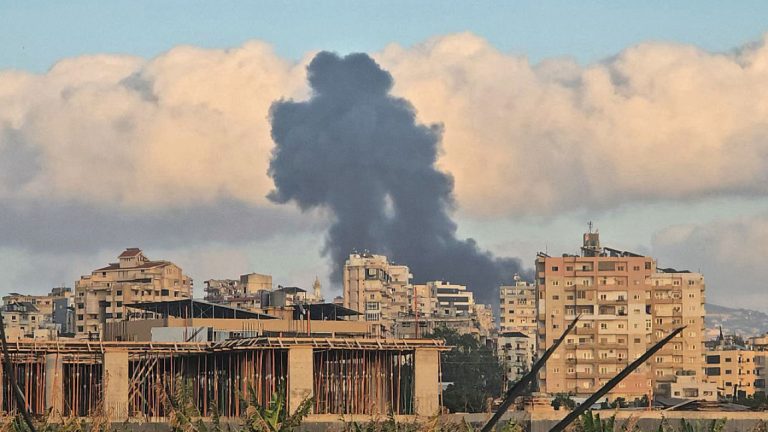
A street in Lebanon showing the aftermath of a military strike with smoke rising from damaged buildings and emergency responders on site.

Netanyahu’s Lebanon Gamble Is Threatening the Entire Ceasefire

The fragile US-Iran ceasefire faces an immediate collapse following Israel’s massive air campaign in Lebanon. While President Trump has urged Netanyahu to be “low-key” to save the Iran talks, the fundamental clash remains: Israel demands Hezbollah’s disarmament without a ceasefire, while Lebanon and Tehran insist on a total halt to hostilities as a precondition for any direct negotiations.

Read More »
A double exposure image overlaying the Iranian flag with the White House at night.

The 1991 Trap: Why Washington Must Learn From Iraq to Survive Iran

The US-Iran ceasefire faces a historical “1991 trap,” echoing the aftermath of Operation Desert Storm where military victory failed to produce political closure. As negotiations begin in Islamabad, the fundamental gap between Iran’s 10-point plan and Washington’s “red lines” on enrichment threatens a decade of simmering conflict unless both sides move beyond containment toward genuine, conditional normalization.

Read More »
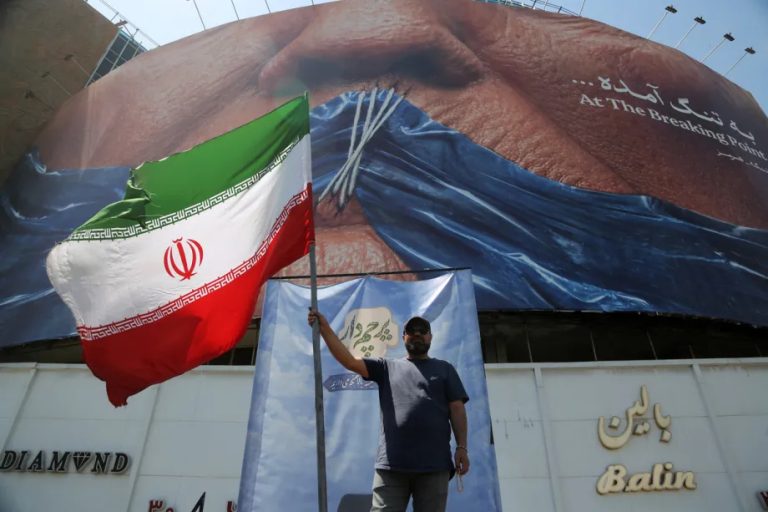
A large Iranian flag waving in an urban square with a man holding the flagpole.

Six Reasons the Iran Ceasefire Could Collapse Before It Holds

The Pakistan-brokered ceasefire is already fracturing as Israel’s “Operation Eternal Darkness” hits 100+ targets in Lebanon. Beyond the immediate violence, six fundamental “fault lines”—including clashing victory narratives, unresolved nuclear enrichment, and Iran’s intact proxy networks—suggest that the Islamabad talks may struggle to turn this 14-day pause into a lasting peace.

Read More »
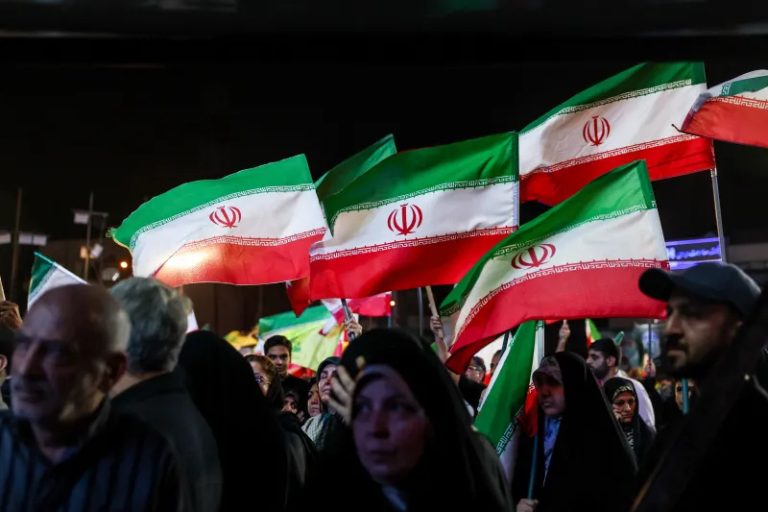
A crowd of people, including women and children, waving Iranian flags during a nighttime demonstration.

The US-Iran Ceasefire: A Pause in the War, Not the End of It

A Pakistan-brokered ceasefire has pulled the Middle East back from the brink, suspending 40 days of US-Israeli strikes on Iran. While global markets reacted with relief and oil prices slid to $103, the 14-day truce remains fragile. Major hurdles persist in Islamabad negotiations, including Iran’s 10-point plan, the status of US regional bases, and the unresolved conflict in Lebanon.

Read More »
Satellite view of the Strait of Hormuz, Persian Gulf, and Gulf of Oman.

Iran’s Masterplan for the Strait of Hormuz

The shift in the Strait of Hormuz from a traditional military chokepoint to a formalized “Sovereign Toll Zone” represents the most significant change in maritime law since the 1982 UNCLOS. Tehran is moving to institutionalize what was once a temporary blockade into a permanent economic engine designed to bypass Western sanctions forever.

Read More »