Tag: Ceasefire

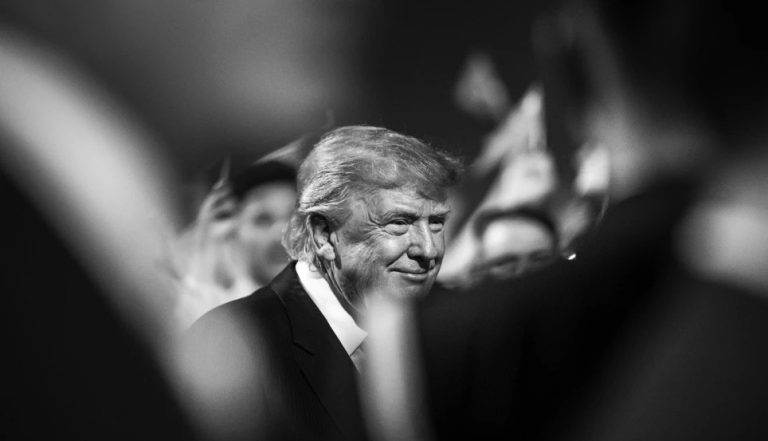
A black and white portrait of Donald Trump smiling among a crowd.

Trump’s Iran Ceasefire Is Bleeding American Credibility Dry

This analysis critiques the Trump administration’s current Iran policy, characterizing it as a “strategic trap.” Caught between the economic pressures of an oil blockade and the political necessity of a ceasefire, the US finds its leverage diminishing. The post examines how Tehran is successfully using the electoral calendar to neutralize American military dominance, while arguing that a return to full-scale escalation—as urged by some hawkish institutions—would likely trigger global economic instability and fail to achieve verifiable diplomatic concessions.
Read More »
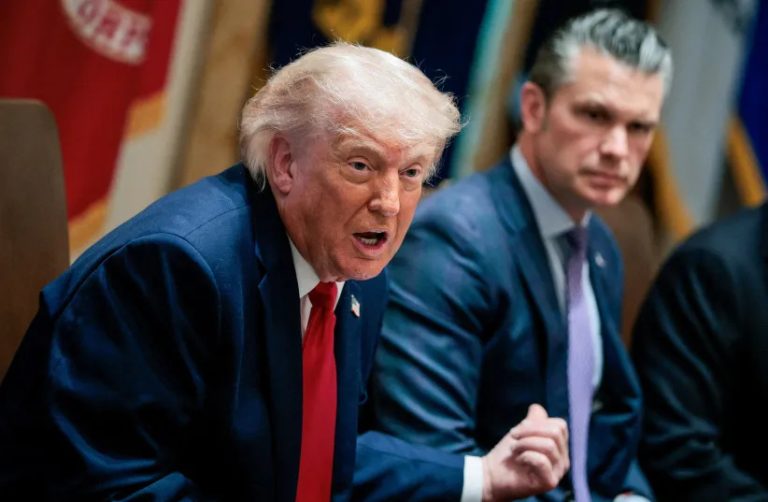
Donald Trump speaking at a conference with an associate nearby.

The US-Iran War Has No Winners, Only Varying Degrees of Defeat

This article critiques the failure of Operation Epic Fury, arguing that four months of military engagement have produced no strategic resolution. From distorted nuclear timelines and unattainable regime-change goals to the hardening of Iranian hardliners and Israel’s diminished regional standing, the conflict has only institutionalized instability. The post examines how the proposed memorandum of understanding serves as a fragile pause rather than a path toward regional security, ultimately highlighting the high costs and lack of meaningful gains for all involved stakeholders.

Read More »
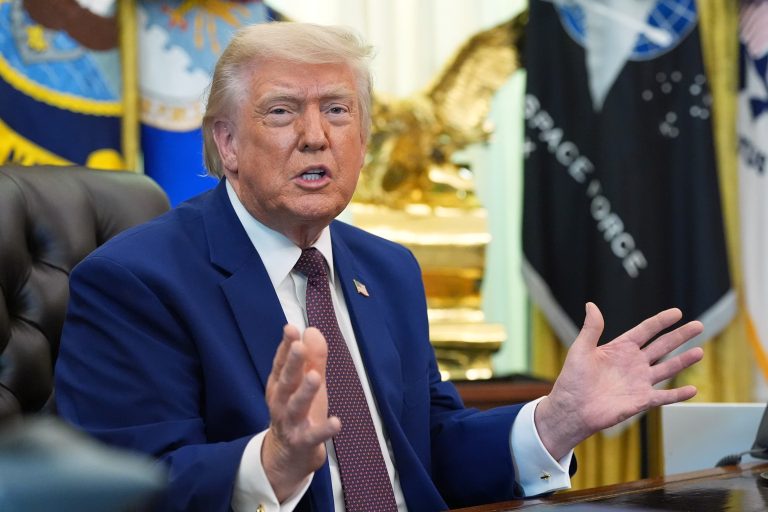
Donald Trump speaking during an official briefing, gesturing with his hands.

Trump’s Iran War Is Fracturing the Republican Party From Within

The recent 215-208 House vote to restrict President Trump’s war powers marks a significant turning point in Republican party cohesion. Driven by rising fuel costs, a stalled ceasefire, and growing electoral vulnerabilities, the conflict has become a political liability. This post explores the administration’s narrowing options amid deepening institutional opposition.

Read More »
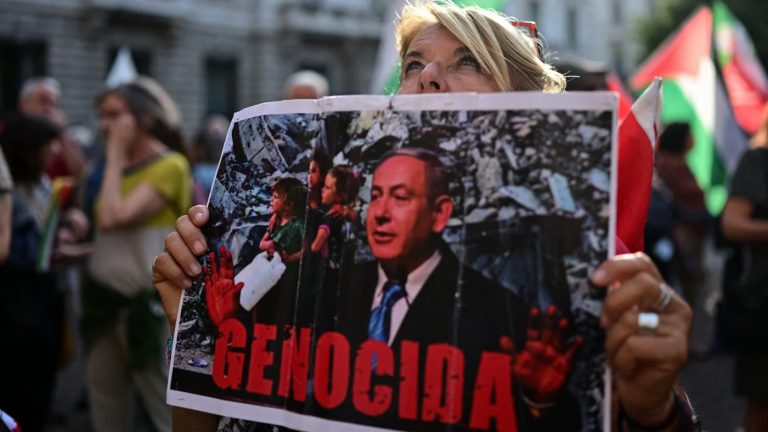
A protester holding a sign with a photo of Benjamin Netanyahu and the word "Genocida."

Netanyahu’s Real Goal Is Not Victory — It Is Preventing a Deal

This analysis examines Benjamin Netanyahu’s strategic opposition to the emerging US-Iran memorandum of understanding. By utilizing military escalation in Lebanon and Gaza, Netanyahu seeks to render diplomatic stabilization efforts unmanageable. The article explores the growing tension between Washington’s domestic political requirements and Israel’s maximalist regional objectives during this critical period.

Read More »
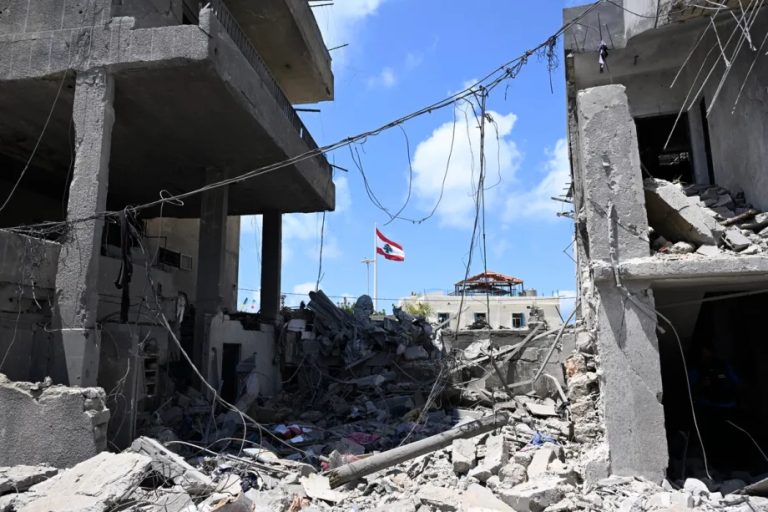
A view of a destroyed building in Lebanon with a national flag flying in the background.

Lebanon’s Endless War Loop Is a Failure of Strategic Imagination

This analysis explores the historical failure of military-only solutions in the Lebanon conflict, tracing the pattern of violence from 1978 to the present day. Despite massive increases in operational scale—culminating in the devastating impact of the 2026 campaign, which has displaced nearly one-fifth of the Lebanese population—the strategic goal of eliminating Hezbollah remains elusive. By examining the persistent cycle of destruction and rebuilding, we argue that current military operations are trapped in a “strategic time loop.” We assess the widening disconnect between Washington-led ceasefire negotiations and the reality on the ground, questioning whether any military alternative can succeed where fifty years of history has definitively proven failure.

Read More »
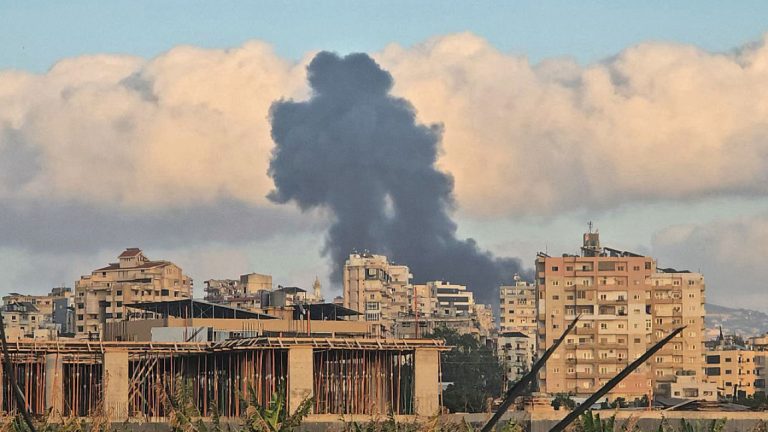
Thick black smoke rising into the sky over a Lebanese city with residential buildings in the foreground.

Lebanon Has No Seat at the Table — Only a Place on the Menu

This analysis explores Lebanon’s precarious position as the regional conflict between Washington, Tehran, and Jerusalem escalates. Despite the pretense of formal diplomatic talks, Lebanon continues to be treated as a theater of war rather than a sovereign participant in the ongoing negotiations. By examining the structural weaknesses of the Lebanese state, the tactical decoupling of the Lebanon track from broader nuclear talks, and the potential for a cynical diplomatic settlement that sacrifices Lebanese stability for US-Iran concessions, we assess the worsening humanitarian and security crisis facing the country as of June 2026.

Read More »
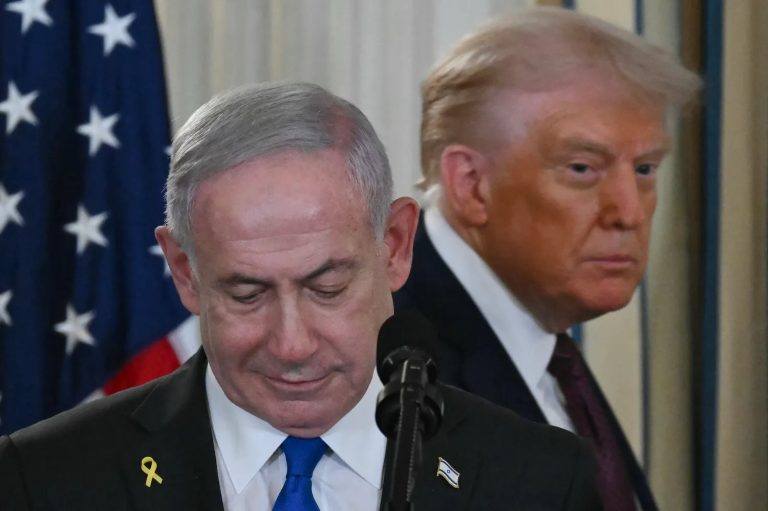
Benjamin Netanyahu speaking at a podium with Donald Trump standing in the background.

Trump’s Iran Deal Could Be Netanyahu’s Political Undoing

This analysis explores the intensifying friction between Washington and Jerusalem as the U.S. moves toward a formal memorandum of understanding with Iran. We examine how Donald Trump’s leverage over Israeli policy is forcing Benjamin Netanyahu into a corner, stripping him of his traditional influence over regional security strategy. By detailing the failure of Israel’s military objectives in Lebanon and the domestic political fallout of a U.S.-led diplomatic shift, we assess the mounting threat to Netanyahu’s coalition ahead of the upcoming October elections.

Read More »
Families and civilians riding motorbikes and driving cars in heavy street traffic.

Israel’s Lebanon Offensive Is Killing the US-Iran Peace Deal

This analysis examines the current collapse of diplomatic efforts between Washington and Tehran as of June 2, 2026. Following Israel’s intensified military operations in Lebanon—which Iran views as a breach of the ceasefire—Tehran has suspended indirect communications. We explore the implications of this breakdown for the Strait of Hormuz, the status of the proposed memorandum of understanding, and the escalating risks of a return to full-scale regional conflict.

Read More »
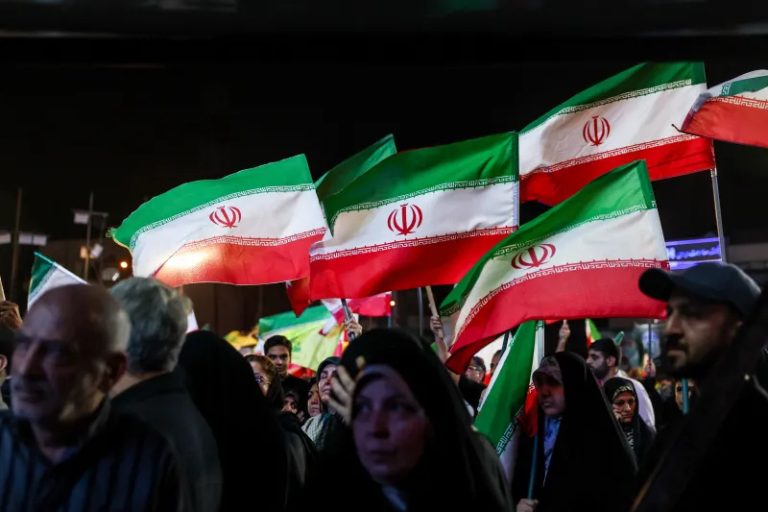
Crowd waving Iranian flags at a public gathering during a geopolitical event.

Iran Is Not Trying to End This War — It Is Trying to Win the Peace

This analysis explores Iran’s strategic shift from a policy of survival to one of active conflict management. By examining the consolidation of hard-line domestic power, the effective weaponization of global energy markets through the closure of the Strait of Hormuz, and the cynical use of negotiations as a tactical delay, we assess how Tehran is positioning itself as a dominant pole in a new, multipolar regional order—regardless of the devastating domestic economic costs.

Read More »
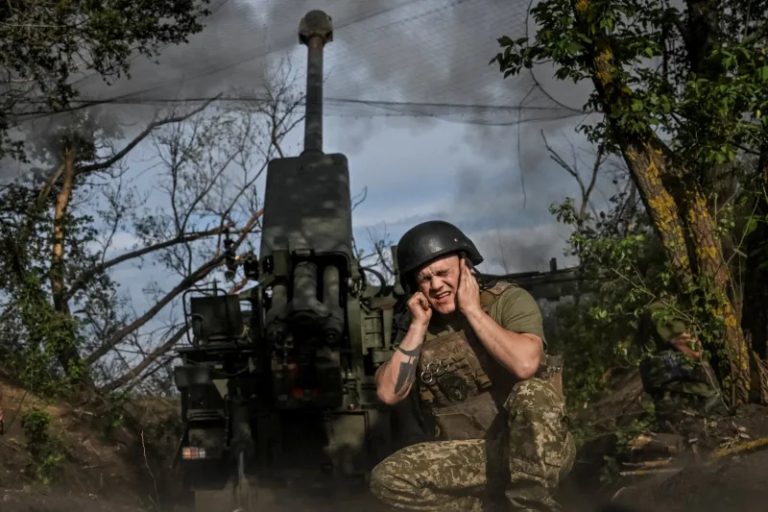
A Ukrainian soldier covering his ears near a heavy artillery piece during combat.

Ukraine’s Grinding War Is Slowly Turning Against Russia

As of June 1, 2026, the war in Ukraine is characterized by intensified aerial bombardment and long-range drone strikes, deepening the cycle of destruction. With diplomatic efforts stalled and both Moscow and Kyiv prioritizing battlefield gains over concessions, the conflict has settled into a high-intensity stalemate. This report examines the current military landscape, the impact of mid-range strike campaigns on logistics, and the growing divide between U.S.-led pressure for a swift resolution and the European commitment to a sustained, deterrence-based approach to Russian aggression.

Read More »
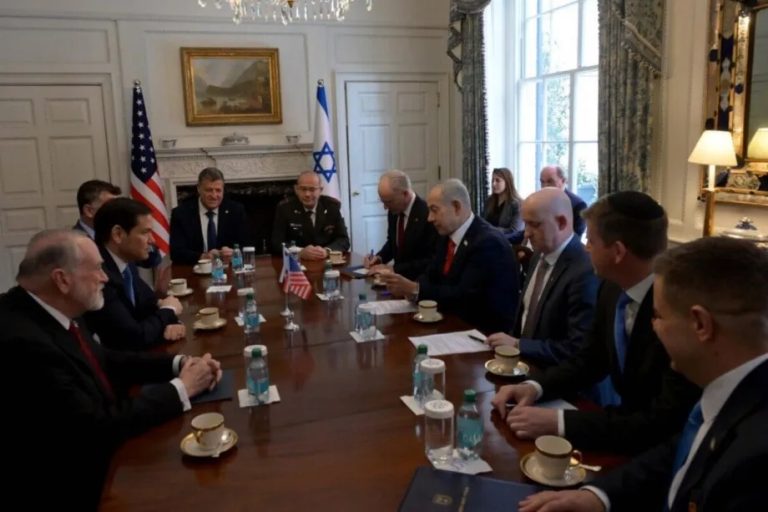
US and Israeli officials sitting around a conference table during a high-level diplomatic meeting.

How Israel’s Veto Power Is Undermining US-Iran Diplomacy

This analysis examines the current collapse of diplomatic efforts between Washington and Tehran as of June 1, 2026. Following Israel’s intensified military operations in Lebanon—which Iran views as a breach of the ceasefire—Tehran has suspended indirect communications. We explore the implications of this breakdown for the Strait of Hormuz, the status of the proposed memorandum of understanding, and the escalating risks of a return to full-scale regional conflict.

Read More »
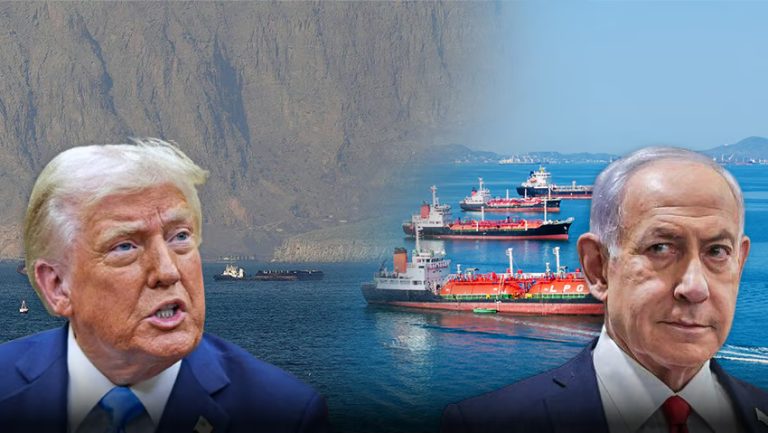
A composite image featuring Donald Trump and Benjamin Netanyahu set against a backdrop of industrial oil tankers at sea.

Three Months In, Iran Is Winning the War It Didn’t Start

This analysis evaluates the outcomes of “Operation Epic Fury,” the U.S.-Israeli military campaign against Iran that commenced on February 28, 2026. By contrasting the initial objectives of the intervention—ranging from regime change to the elimination of Iran’s nuclear capabilities—with the current geopolitical reality, the report examines how a fractured strategic plan led to a prolonged conflict, the consolidation of Iran’s new leadership, and the emergence of a tenuous ceasefire framework. Ultimately, the article argues that the gap between the war’s original premise and its results reveals the limitations of military-first approaches when confronted with resilient state apparatuses and the complexities of regional power dynamics.

Read More »