Tag: Ceasefire

Ted Cruz speaking into a microphone at a CPAC event.

Trump’s Iran Deal Splits the GOP He Built

This analysis examines the growing rift within the Republican Party over the potential peace agreement with Iran. Following three months of “Operation Epic Fury,” a conflict characterized by significant military costs and economic fallout, the administration is pursuing a diplomatic exit. By contrasting the administration’s push for a negotiated settlement with the objections of GOP hawks who view the deal as a strategic failure, the article explores the political gamble of ending an unpopular war while grappling with unresolved issues regarding Iran’s nuclear program and the control of the Strait of Hormuz.

Read More »
Leaders from Gulf States walking together to discuss regional security and Iran.

Gulf States Draw the Line on a Wider Iran War

This analysis examines the evolving diplomatic efforts between the United States and Iran, highlighting the pivotal role Gulf nations are playing in urging a move away from military conflict. By detailing the economic and political pressures driving both Washington and Tehran toward a negotiated settlement, the report evaluates the structure of the proposed 60-day diplomatic framework and the significant hurdles remaining regarding nuclear enrichment and the reopening of the Strait of Hormuz.

Read More »
A man holding a large Iranian flag in front of a massive billboard showing a close-up of a human face with lips tied together and text that reads "At The Breaking Point".

Iran War Shows the New Meaning of Power

This analysis explores how the Iran war highlights the shifting dynamics of global influence. While Western and Israeli military reach inflicts significant strain, Tehran’s endurance exposes the declining efficacy of unilateral American pressure. The conflict underscores a harsher strategic reality: traditional firepower no longer guarantees political compliance in a multipolar world.

Read More »
Donald Trump seated at a desk with advisors, including Marco Rubio, while an official holds up a red "America is Back!" hat.

Lebanon’s Sovereignty Strained by US Talks

This article examines the challenges facing Lebanon as Washington-mediated negotiations with Israel enter a critical phase. Amid continued displacement and domestic dissent, Lebanese leaders struggle to assert sovereignty while balancing external diplomatic pressure. The analysis warns that without broad national consensus, these talks risk deepening internal fractures and regional instability.

Read More »
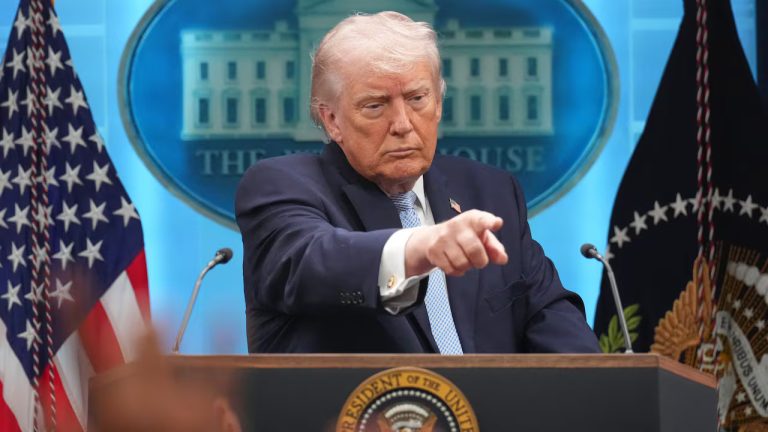
Donald Trump pointing a finger forward while standing at a podium.

Trump’s Iran Ultimatums Risk Deeper Stalemate

President Trump’s strategy of perpetual ultimatums toward Iran is creating an entrenched stalemate that unsettles global energy markets. While intended to maintain leverage, the cycle of threats without resolution has allowed Tehran to calibrate its defiance, keeping oil prices elevated and leaving the Strait of Hormuz in a state of dangerous, indefinite tension.

Read More »
Person carrying a cardboard sign that reads "Stop Trump's War" at a protest.

Trump’s Iran Deadline Tests War Powers Limits

The expiration of the War Powers Resolution’s 60-day window has triggered a high-stakes legal battle between the White House and Congress. As the Trump administration cites a fragile ceasefire to justify continued deployments, lawmakers are weighing the necessity of formal authorization against the risks of open-ended regional conflict and diminished legislative oversight.

Read More »

Why Military Pressure Fails in the Strait of Hormuz

Rising tensions in the Strait of Hormuz have disrupted shipping and pushed energy prices higher worldwide. Analysts argue military pressure alone cannot remove Iran’s leverage in the narrow waterway. Restoring safe passage may depend more on diplomacy than escalation, as global markets face growing uncertainty.

Read More »

Why Lebanon Needs a Marshall Plan Now

Lebanon’s latest conflict has deepened an already severe economic and political crisis. With billions needed for reconstruction, experts argue only a large-scale international recovery plan can restore stability. Strengthening state institutions, rebuilding infrastructure, and creating jobs may be the best chance for lasting peace.

Read More »

Iran’s Hardliner Rift Tests US Diplomacy

Iran’s political landscape is facing a significant test as internal friction between ultra-hardliners and pragmatists complicates indirect diplomatic efforts with the U.S. While economic pressure and new leadership push Tehran toward measured engagement, ideological spoilers remain a challenge, highlighting a calculated struggle over the regime’s survival and future stability.

Read More »
Large plume of smoke rising from an explosion in a hilly, residential area of Southern Lebanon.

Israel’s Lebanon Quagmire Drains a Tired Military

Weeks after a mid-April ceasefire, Israeli forces remain entrenched in southern Lebanon, facing a war of attrition. The mission, characterized by outpost defense and infrastructure demolition, is severely straining military readiness and reserve morale. Without a clear political exit strategy, the situation risks repeating the unsustainable occupation cycles of previous decades.

Read More »
A US Navy F/A-18 Super Hornet fighter jet landing on the flight deck of an aircraft carrier.

Why US Pressure on Iran Keeps Failing

Recent American airstrikes and naval blockades have failed to yield the intended concessions from Tehran. Instead, Iran has consolidated domestic support and utilized its strategic position near the Strait of Hormuz to maintain leverage. With global oil prices surging and diplomatic channels narrowing, the confrontation highlights the limitations of force in resolving long-standing geopolitical disputes.

Read More »
Soldiers in military gear standing in a war-torn urban street with smoke in the background.

Post-Iran War Diplomacy Tests Gaza and Lebanon

Following military operations against Iranian targets, diplomats are navigating fragile ceasefires in Gaza and Lebanon. Success depends on establishing credible governance, ensuring Lebanese sovereignty, and addressing Iran’s nuclear ambitions while balancing the reconstruction needs of war-torn areas against the necessity of permanent demilitarization and regional security.

Read More »