Tag: Ceasefire

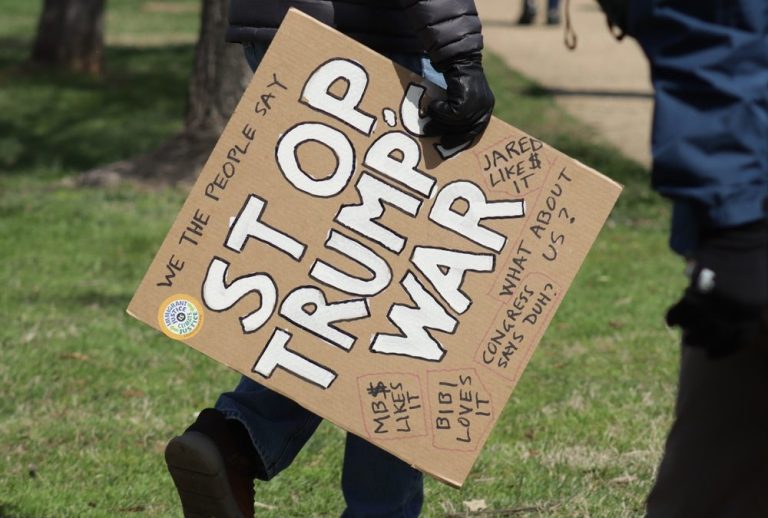
Person carrying a cardboard sign that reads "Stop Trump's War" at a protest.

Trump’s Iran Deadline Tests War Powers Limits

The expiration of the War Powers Resolution’s 60-day window has triggered a high-stakes legal battle between the White House and Congress. As the Trump administration cites a fragile ceasefire to justify continued deployments, lawmakers are weighing the necessity of formal authorization against the risks of open-ended regional conflict and diminished legislative oversight.
Read More »

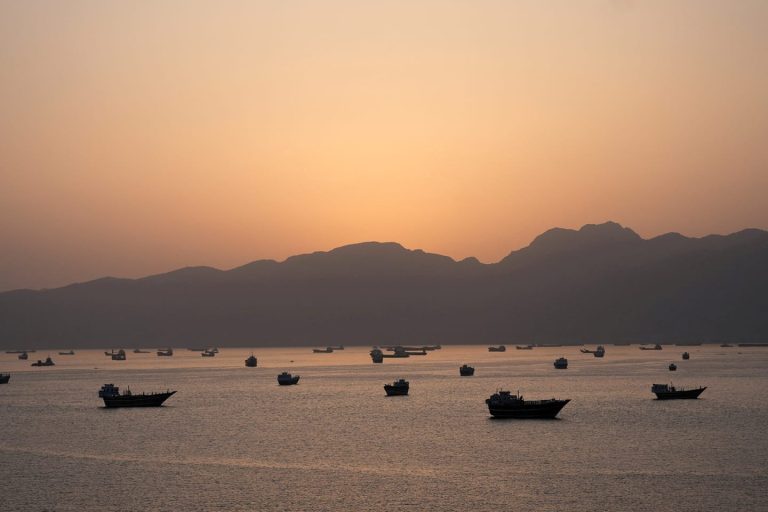
Why Military Pressure Fails in the Strait of Hormuz

Rising tensions in the Strait of Hormuz have disrupted shipping and pushed energy prices higher worldwide. Analysts argue military pressure alone cannot remove Iran’s leverage in the narrow waterway. Restoring safe passage may depend more on diplomacy than escalation, as global markets face growing uncertainty.

Read More »

Why Lebanon Needs a Marshall Plan Now

Lebanon’s latest conflict has deepened an already severe economic and political crisis. With billions needed for reconstruction, experts argue only a large-scale international recovery plan can restore stability. Strengthening state institutions, rebuilding infrastructure, and creating jobs may be the best chance for lasting peace.

Read More »

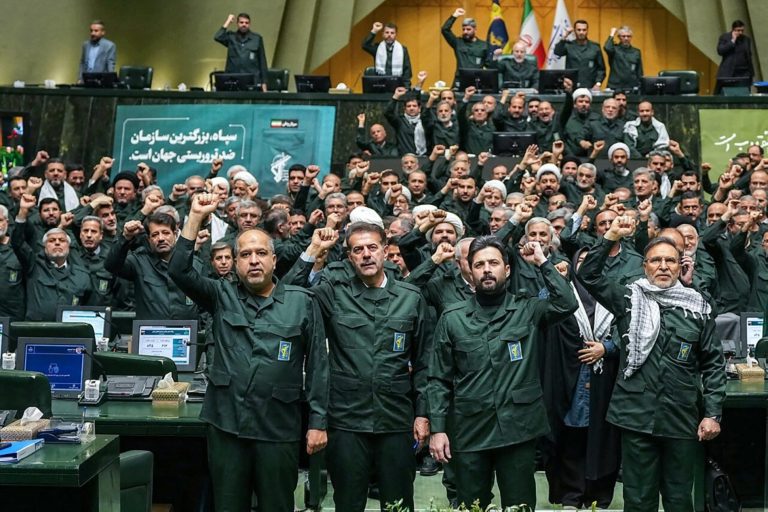
Iran’s Hardliner Rift Tests US Diplomacy

Iran’s political landscape is facing a significant test as internal friction between ultra-hardliners and pragmatists complicates indirect diplomatic efforts with the U.S. While economic pressure and new leadership push Tehran toward measured engagement, ideological spoilers remain a challenge, highlighting a calculated struggle over the regime’s survival and future stability.

Read More »
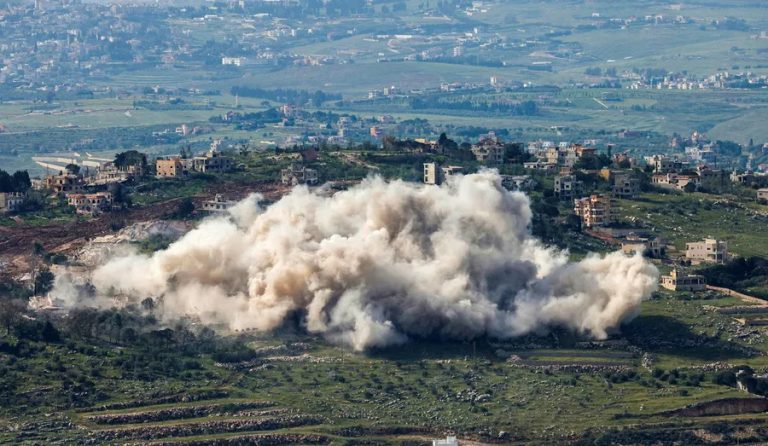
Large plume of smoke rising from an explosion in a hilly, residential area of Southern Lebanon.

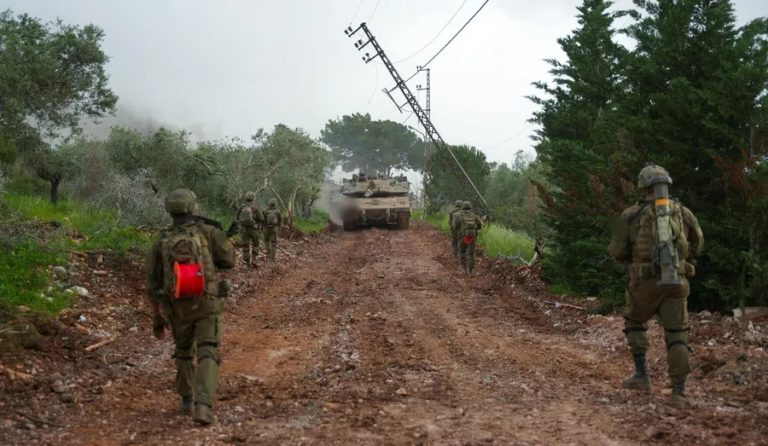
Israel’s Lebanon Quagmire Drains a Tired Military

Weeks after a mid-April ceasefire, Israeli forces remain entrenched in southern Lebanon, facing a war of attrition. The mission, characterized by outpost defense and infrastructure demolition, is severely straining military readiness and reserve morale. Without a clear political exit strategy, the situation risks repeating the unsustainable occupation cycles of previous decades.

Read More »
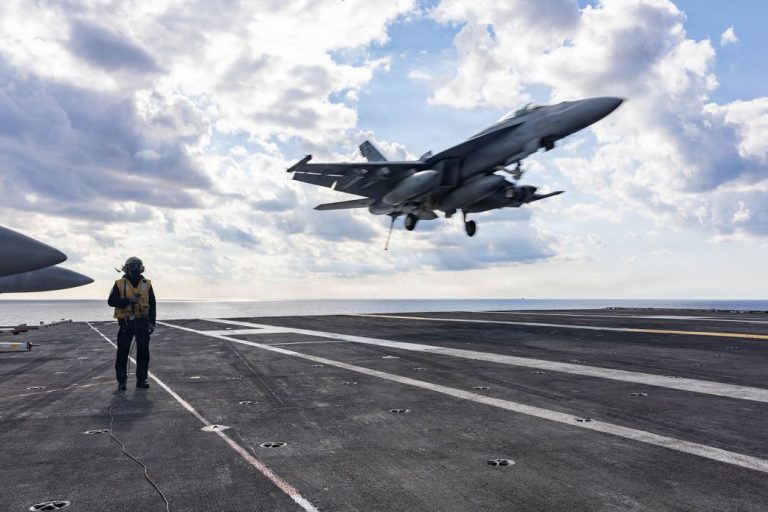
A US Navy F/A-18 Super Hornet fighter jet landing on the flight deck of an aircraft carrier.

Why US Pressure on Iran Keeps Failing

Recent American airstrikes and naval blockades have failed to yield the intended concessions from Tehran. Instead, Iran has consolidated domestic support and utilized its strategic position near the Strait of Hormuz to maintain leverage. With global oil prices surging and diplomatic channels narrowing, the confrontation highlights the limitations of force in resolving long-standing geopolitical disputes.

Read More »
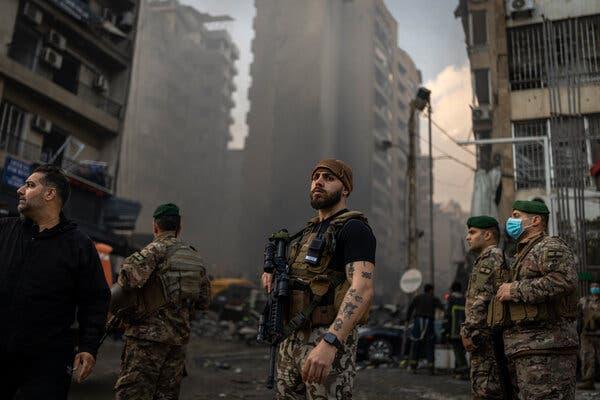
Soldiers in military gear standing in a war-torn urban street with smoke in the background.

Post-Iran War Diplomacy Tests Gaza and Lebanon

Following military operations against Iranian targets, diplomats are navigating fragile ceasefires in Gaza and Lebanon. Success depends on establishing credible governance, ensuring Lebanese sovereignty, and addressing Iran’s nuclear ambitions while balancing the reconstruction needs of war-torn areas against the necessity of permanent demilitarization and regional security.

Read More »
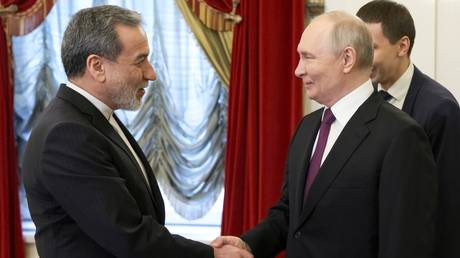
Vladimir Putin shaking hands with an Iranian official in a formal setting.

Hormuz Crisis Elevates Russia’s Role in Iran Diplomacy

Iran is intensifying its diplomatic outreach to Moscow and regional brokers like Oman to navigate the ongoing Hormuz crisis. By prioritizing maritime security and economic stability over immediate nuclear talks, Tehran aims to leverage global energy concerns and Russia’s mediation to counter U.S. pressure and secure long-term regional guarantees.

Read More »
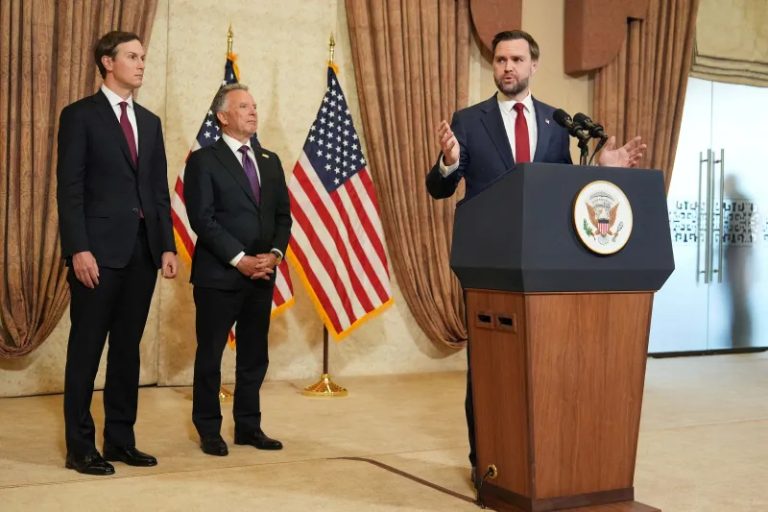
JD Vance speaking at a podium with the US Seal during a formal briefing.

The US–Iran Peace Puzzle: Why Islamabad Didn’t Deliver

The collapse of the Islamabad talks has exposed the deep-seated mistrust and “maximalist” positions hindering a US-Iran peace deal. While a fragile ceasefire holds until April 22, the 15-year gap in nuclear enrichment proposals and the ongoing naval blockade of the Strait of Hormuz suggest that both nations are still far from a sustainable regional settlement.

Read More »
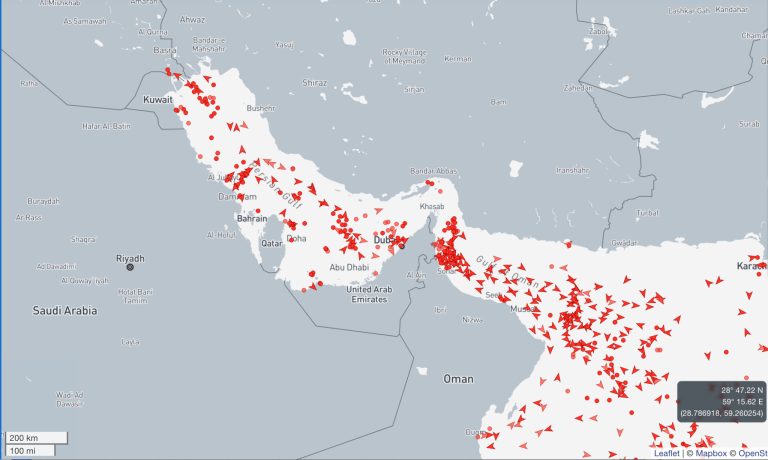
A digital maritime map showing heavy shipping traffic and vessel icons in the Strait of Hormuz.

Strait of Hormuz: A Blockade Both Sides Can’t Afford to Lose

The U.S. naval blockade of Iran’s coast has turned the Strait of Hormuz into a high-stakes endurance test. While Iran faces critical oil storage limits and a crippled economy, Washington must navigate global energy shortages and domestic political pressure, making the next round of talks vital for regional stability.

Read More »
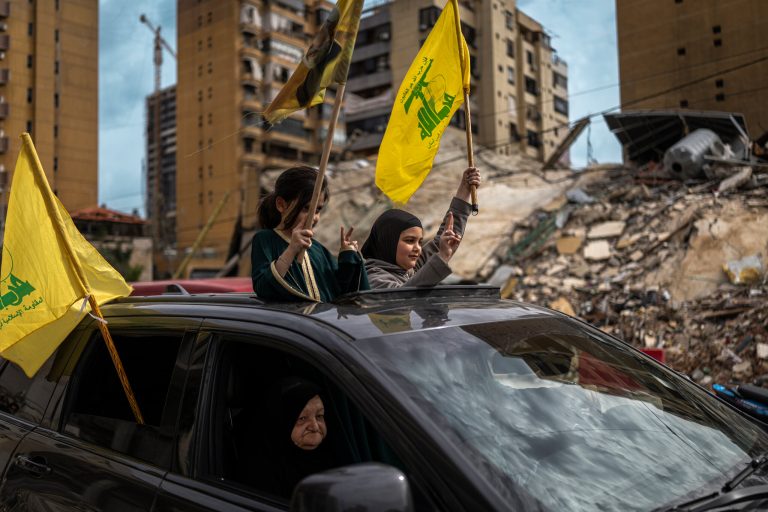
Children waving yellow Hezbollah flags from a car sunroof in front of destroyed buildings.

Lebanon–Israel Talks: Historic Step, Uncertain Road

In a landmark diplomatic breakthrough hosted in Washington, Israeli and Lebanese officials engaged in their first direct negotiations in over 40 years. While a fragile 10-day cessation of hostilities has been established, the roadmap to a permanent peace faces significant hurdles, including the structural challenge of disarming Hezbollah and asserting Lebanese state sovereignty amid ongoing regional tensions.

Read More »
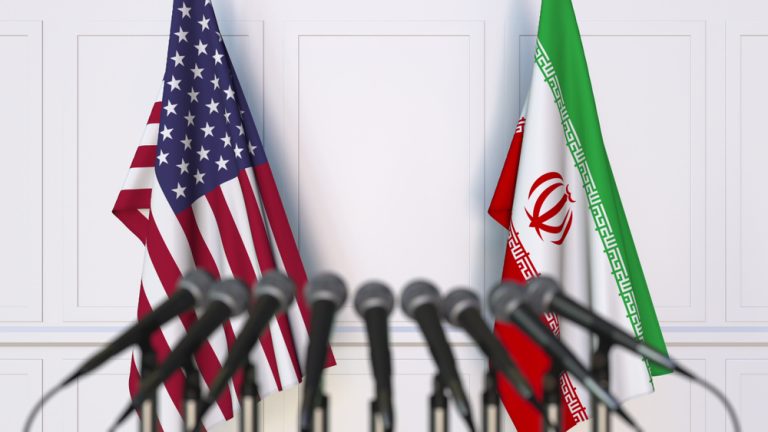
USA and Iran flags standing side-by-side behind a row of press microphones.

Islamabad and the New Diplomacy: The Global South Steps Forward

The recent talks in Islamabad mark a structural shift in global diplomacy, signaling the rise of the Global South as a primary architect of international security. As Western mediation falters, the “Islamabad Process” demonstrates how multi-aligned regional powers are now indispensable in resolving complex conflicts and shaping a multipolar world.

Read More »