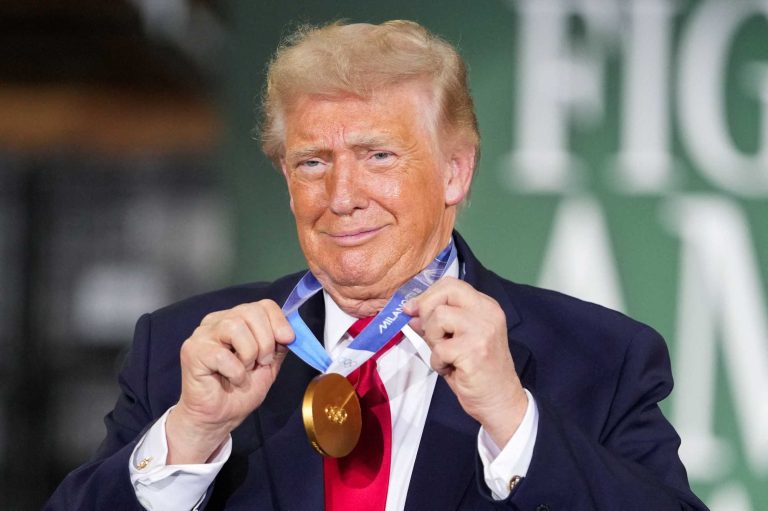
Donald Trump turns 80 this weekend, and the timing of a potential Iran memorandum of understanding is not coincidental. The president who launched Operation Epic Fury in late February is now racing to close a deal before the G7 summit in Evian on Monday — a photo-op calibrated to project the image of a wartime president who delivered peace, regardless of what the fine print actually contains. The markets have already begun pricing in the possibility, responding positively to signals from both delegations. Whether the agreement survives contact with reality is a separate question that will not be answered at a birthday celebration.
The late-stage negotiations are stalling over what sources close to the talks describe as “semantics” around the status of Iran’s enriched uranium — the so-called “nuclear dust” buried beneath rubble at Isfahan that US strikes damaged but did not destroy. That particular dispute is not semantic at all. It is the central technical question of the entire negotiation: what happens to fissile material that cannot be verified as eliminated, that neither side fully controls, and that Iran has not agreed to surrender or dilute under international supervision. Everything else in the framework may be broadly agreed. This element is not, and it is the element that determines whether the deal addresses the stated justification for the war that began it.
Theatrics as Diplomatic Strategy
The week that preceded the deal’s apparent emergence illustrated precisely the negotiating environment both sides are operating within. Monday saw Israel and Iran exchanging missiles, appearing to derail the process entirely. That evening, Trump attended an NBA Finals game and told reporters a deal was imminent. Tuesday brought a presidential announcement of “VERY HARD” retaliatory strikes against Iranian military sites after an American Apache helicopter was brought down by a Shahed drone. US forces struck Iranian targets Tuesday and Wednesday. Iran responded Thursday morning with missiles and drones at Kuwait, Bahrain, and Jordan. Trump then threatened to seize Kharg Island and take control of Iranian oil production. By Thursday evening, the president announced peace was back on the agenda.
Both sides have apparently reached a shared understanding: Trump’s most extreme public statements are theatrical performances directed at his domestic audience rather than operational policy signals. The Iranians have learned to parse the difference between statements designed for Truth Social and positions that reflect actual negotiating red lines. That mutual understanding makes the diplomatic environment strangely functional even as it degrades every public institution designed to hold governments accountable for what they say.
The Costs That Won’t Disappear With a Photo-Op
Treasury Secretary Scott Bessent and the financial community understand what the birthday celebrations will not acknowledge: the economic damage from the Strait of Hormuz disruption is substantially “in the post.” Even if the strait fully reopens on terms favorable to Washington, oil prices will not fall dramatically in the near term. Nations across the global economy are simultaneously racing to replenish strategic petroleum reserves that were drawn down during the disruption, creating sustained demand pressure that will keep energy costs elevated well into the second half of 2026. The inflationary effects of energy and supply chain disruption take months to clear through consumer price indices, meaning the economic pain that has been driving down Trump’s approval ratings will persist for weeks after any signing ceremony.
Netanyahu’s situation remains politically precarious regardless of what gets signed. A deal that leaves Iran with enriched uranium, a functional nuclear infrastructure, and recognized leverage over the Strait of Hormuz is not what the Israeli prime minister promised his electorate when the war began. Trump’s reported private description of Netanyahu as “fucking crazy” and his insistence that Israel will comply with whatever arrangement Washington reaches with Tehran signals clearly that the bilateral dynamic has fundamentally shifted from partnership to subordination.
What is being sold as a peace deal is more accurately described as a managed pause — a framework that allows both sides to declare victory, resume oil flows, and defer the unresolved disputes over nuclear infrastructure and regional influence to future negotiations that will occur in an environment neither side fully controls. That is not nothing. A managed pause is preferable to resumed intensive warfare, particularly with US missile defense stockpiles still depleted from the original campaign. But it is not the historic achievement that the birthday weekend imagery will suggest. The war that started without congressional authorization will end with a memorandum that resolves none of its stated justifications and leaves every underlying tension structurally intact.
Original analysis inspired by Freddy Gray from The Spectator. Additional research and verification conducted through multiple sources.