A new understanding between Washington and Tehran has paused the fighting that erupted earlier this year and reopened critical oil routes. Both sides moved quickly to deescalate after months of strikes that reshaped alliances across the region. This memorandum offers a temporary breathing space but leaves key disputes unresolved as talks on broader issues loom.
Iran has demonstrated its ability to pressure global energy markets by threatening passage through the Strait of Hormuz. The clerical leadership not only survived the initial assaults but emerged with greater leverage in negotiations. Tehran further revealed its reach by targeting infrastructure in Gulf states, forcing a rethink among Arab monarchies about their security arrangements.
Atlantic Council experts have cautioned that the current path echoes missed opportunities for earlier talks. They predicted the outcome might mirror what sustained diplomacy could have secured without the destruction. Such views highlighted how military action often hardens rather than breaks determined adversaries.
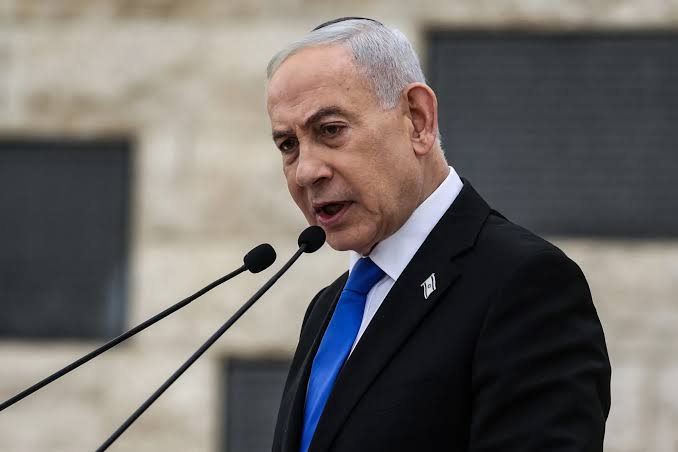
For Benjamin Netanyahu the developments could not have come at a worse time. Israeli voters head to polls by late October and recent surveys show his religious right coalition falling well short of a majority. The prime minister has urged continued operations against Iran hoping a decisive blow might restore his image as security guarantor damaged since the events of October 2023.
Public sentiment in Israel remains raw. Many citizens have demanded total elimination of threats from groups like Hezbollah after enduring repeated attacks. Polls indicated majority support for intensifying campaigns in Lebanon even as the human and economic costs mounted from reserve call ups lasting weeks each year. Netanyahu has struggled to deliver the victories he promised across Gaza, Lebanon and Iran, leaving his strategy exposed.
Domestic Pressures Mount in Israel
Ultra Orthodox parties withdrew from the government over a stalled conscription law that most Israelis now reject as unfair. Violent protests erupted in streets as the issue pitted coalition partners against each other. Netanyahu has tried to broker compromises but parliamentary arithmetic works against him while his own legal battles add urgency to staying in office.
Gulf officials have begun to question long standing guarantees provided by Washington. With Iranian missiles proving capable of striking key sites the previous assurances lost credibility. Veteran correspondents have reported private conversations where leaders explore ways to coexist with a resilient Tehran rather than rely solely on American protection.
The memorandum itself consists of fourteen points and stops short of a comprehensive peace. It postpones difficult conversations about Iran’s nuclear activities and sanctions relief until obligations are met. Observers have warned this creates a narrow window that could close if mistrust returns or if Israel acts independently to disrupt the process.
Should future discussions produce terms similar to the 2015 framework that was previously abandoned the historical loop would stun many participants. Trump has boasted about delivering what predecessors could not yet the absence of Israeli buy in raises doubts about durability. The coming signature in Geneva will test whether this truce stabilizes the region or simply resets tensions for another round.
Original analysis inspired by Dr Binoy Kampmark from Middle East Monitor and David E. Rosenberg from Foreign Policy. Additional research and verification conducted through multiple sources.
By ThinkTanksMonitor