
Will the New US and Iran Peace Deal Mirror the JCPOA
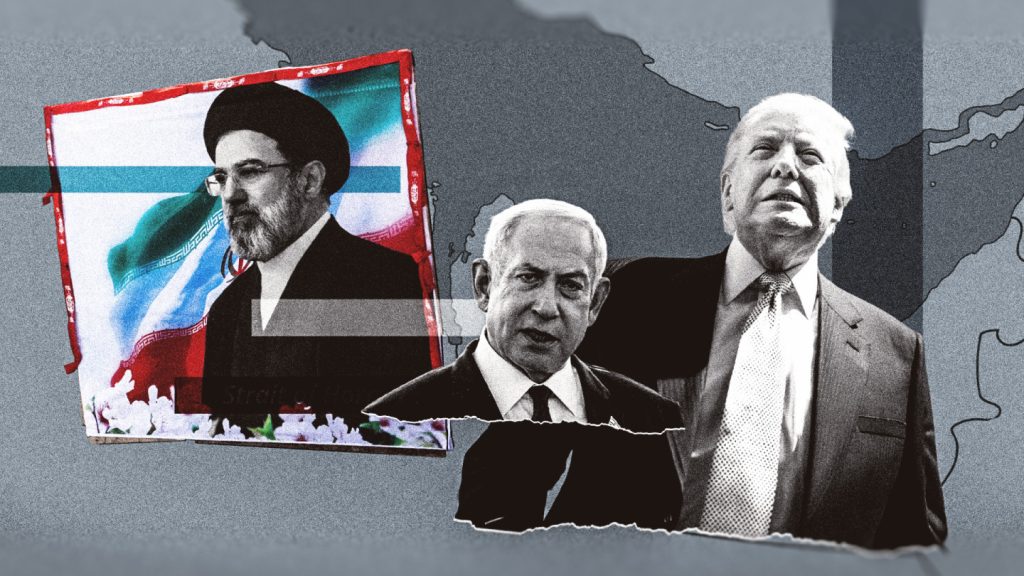
This analysis examines the structural differences between the potential 2026 US-Iran agreement and the 2015 JCPOA. While both address nuclear concerns, the current negotiations are primarily driven by the urgent need to stabilize the Strait of Hormuz and resolve active military hostilities. We explore how this bilateral, crisis-led approach differs from the original multilateral framework and the challenges to achieving a lasting settlement.
UAE’s Facade of Neutrality Crumbles in US-Iran War
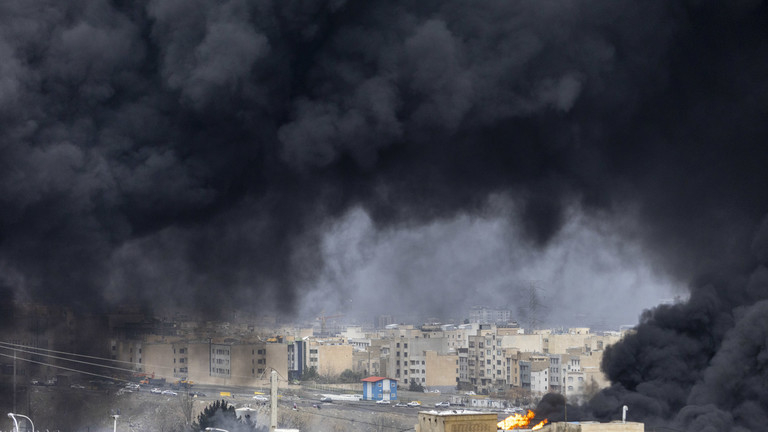
This analysis examines the erosion of the United Arab Emirates’ neutrality during the 2026 US-Iran conflict. By detailing the UAE’s secret military participation, integration into regional air defense networks, and the subsequent economic and security vulnerabilities created by these choices, we explore how Abu Dhabi has moved from a regional arbiter to a direct, and exposed, participant in the ongoing regional war.
The Iran War Gives Trump a Nuclear Exit
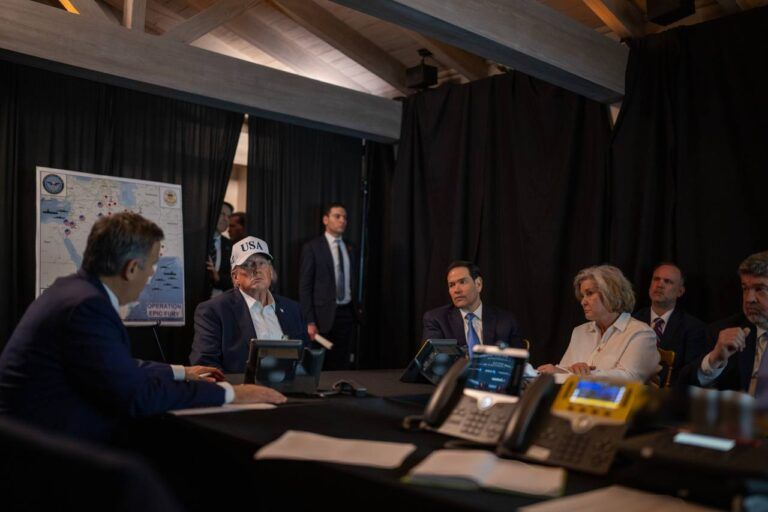
This analysis examines the dangerous intersection of political humiliation and nuclear policy within the ongoing US-Iran conflict. By exploring the psychological drivers of escalation, the limitations of current presidential authority, and the geopolitical fallout of potential nuclear use, we argue for immediate institutional reforms to ensure robust oversight and prevent the unthinkable.
Israel’s Military PR Machine Is Breaking Down Where It Matters Most

This article examines the breakdown of the IDF Spokesperson’s Unit under Brigadier General Effie Defrin. By analyzing the decline in military transparency, the misuse of media controls, and the shift in international public opinion, we assess how retreating from difficult truths is undermining the credibility of Israel’s strategic communications.
Iran War Is Turning the 2026 Midterms Into a Republican Crisis
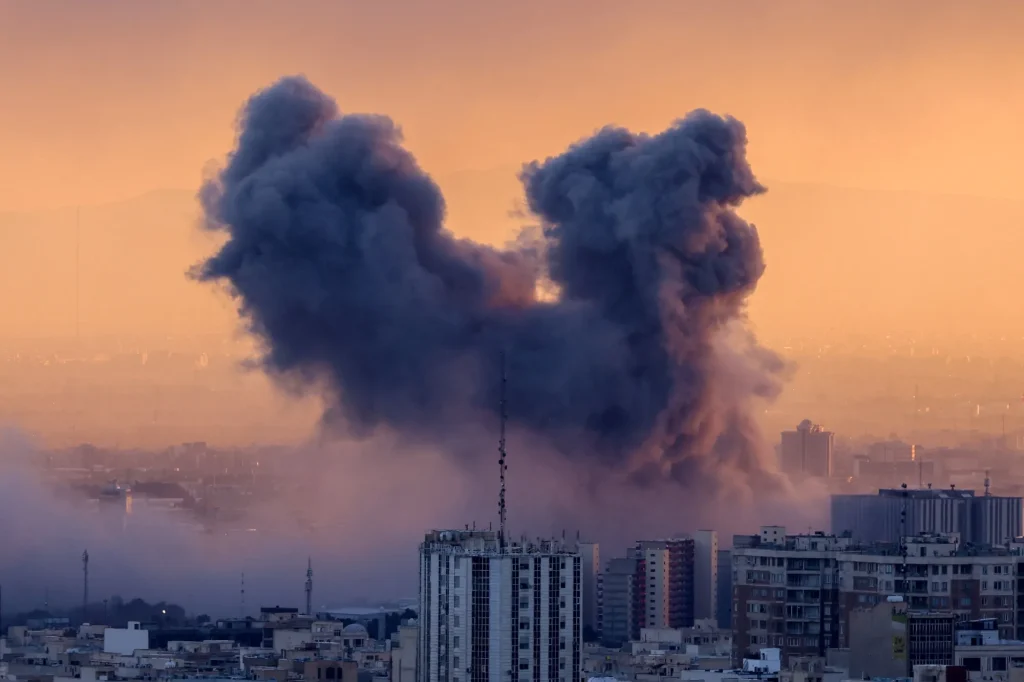
This article analyzes how the conflict with Iran has evolved into a significant political liability for the Republican Party ahead of the 2026 midterm elections. By examining shifts in polling data, voter demographics, and the economic impact of energy price spikes, we explore why the party’s narrow congressional majority is increasingly at risk.