
Trump’s Quiet Plan to Revive the Weaponization Fund
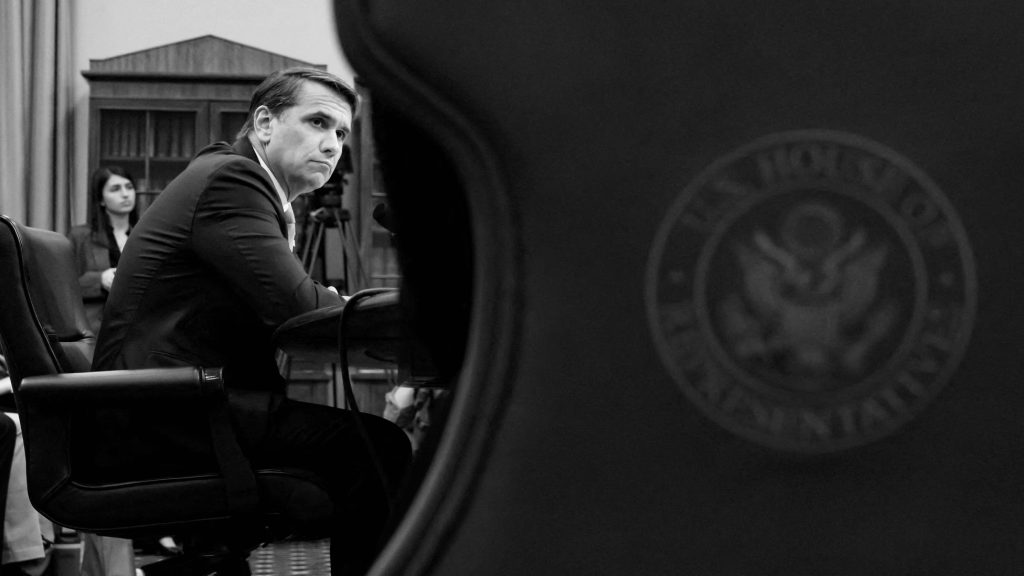
This investigation reveals the tactical pivot behind the Trump administration’s apparent abandonment of its controversial $1.776 billion “Anti-Weaponization Fund.” While public testimony before Congress suggested the scheme was terminated, evidence suggests the Justice Department is instead utilizing the 1946 Federal Tort Claims Act as an alternative mechanism to compensate allies. By facilitating out-of-court settlements, the administration maintains a pathway for taxpayer funds to reach supporters—including January 6 defendants—bypassing the legislative and judicial scrutiny that initially froze the formal commission. The piece analyzes how this pattern of public retreat and quiet operational maneuvering continues to challenge the limits of executive power and the integrity of the U.S. Treasury.
Trump’s 80th Birthday Gift: A Peace Deal He Can Brand as Victory
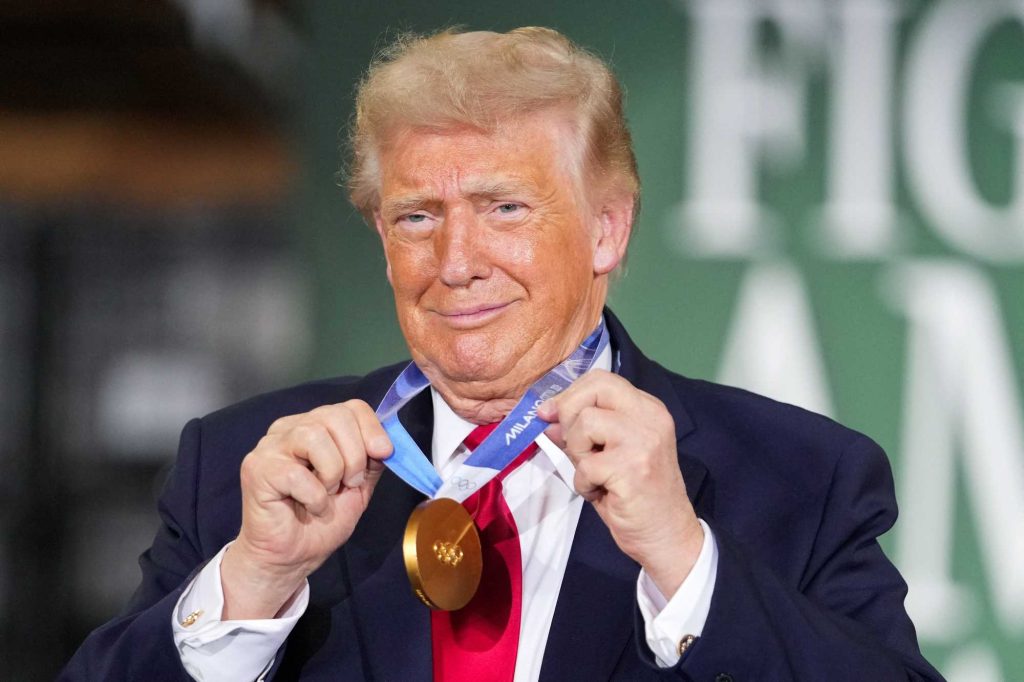
This analysis scrutinizes the Trump administration’s rush to secure a peace memorandum with Iran in time for the president’s 80th birthday and the upcoming G7 summit. Despite the theatrical escalation of the preceding week, the emerging agreement functions as a fragile “managed pause” rather than a strategic resolution. By prioritizing political optics over the complex technical realities of Iran’s nuclear infrastructure and the enduring economic fallout from the Strait of Hormuz crisis, the administration is effectively deferring critical security challenges. The piece concludes that while the deal may prevent immediate further conflict, it leaves the underlying tensions of the war structurally intact and fundamentally unresolved.
Trump Turns 80: What His Cultural Obsessions Reveal About His Presidency
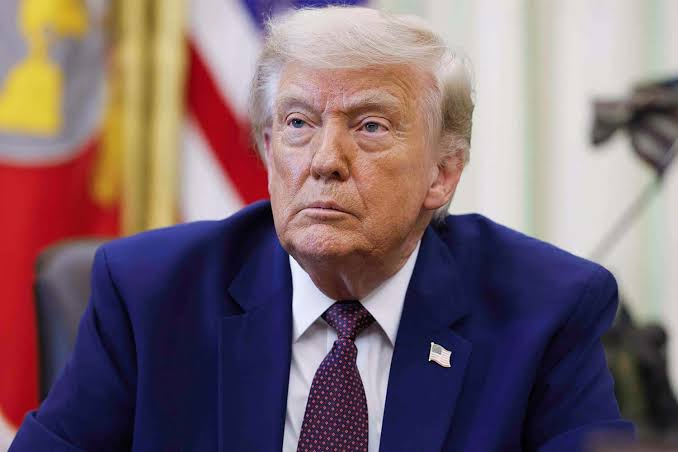
This article examines how Donald Trump’s milestone 80th birthday highlights a presidency anchored in the cultural sediment of the 1980s. By analyzing his tendency to process contemporary geopolitical and domestic challenges through antiquated television and entertainment templates, the piece argues that Trump’s worldview is dangerously misaligned with the complexities of 2026. From the weaponization of media ownership to policy decisions seemingly inspired by film schedules, the analysis explores the risks of a leader managing a high-stakes, digital-age world through the narrow, nostalgic framework of a bygone era.
The Strategic Failure of Trump’s High-Stakes War with Iran
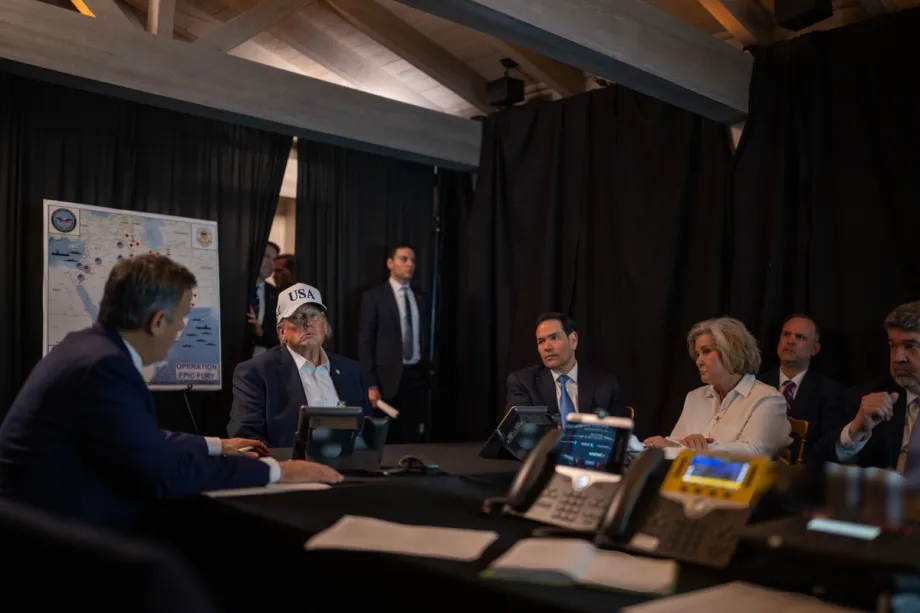
This article evaluates the strategic failure of the Trump administration’s Operation Epic Fury against Iran. Initially conceived as a precision strike to catalyze regime collapse, the campaign has instead solidified radical domestic power, triggered asymmetric regional responses, and destabilized global energy markets. By prioritizing tactical action over political reality and destroying diplomatic pathways, the intervention has significantly weakened American deterrence, alienated international allies, and inadvertently accelerated a shift toward a multipolar global order.
The Stalemate Washington Thinks It’s Winning — But Isn’t
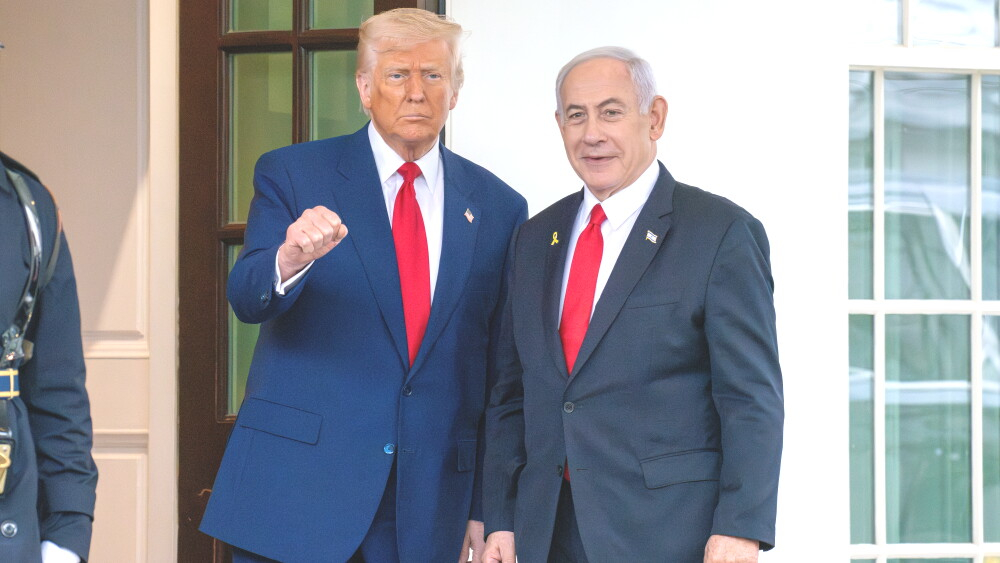
This analysis deconstructs the current U.S.-China diplomatic stalemate, arguing that Washington’s reliance on superficial deal-making and optics masks a deepening structural imbalance. While the U.S. remains distracted by regional conflicts in the Middle East, China is leveraging its rare-earth export controls, record trade surpluses, and expanded manufacturing dominance to consolidate power. The piece warns that by misinterpreting this managed paralysis as a victory for strategic stability, American policy is inadvertently allowing China to solidify long-term gains that will prove increasingly difficult to reverse.
America’s Navy Is Winning Battles and Losing the Maritime Order
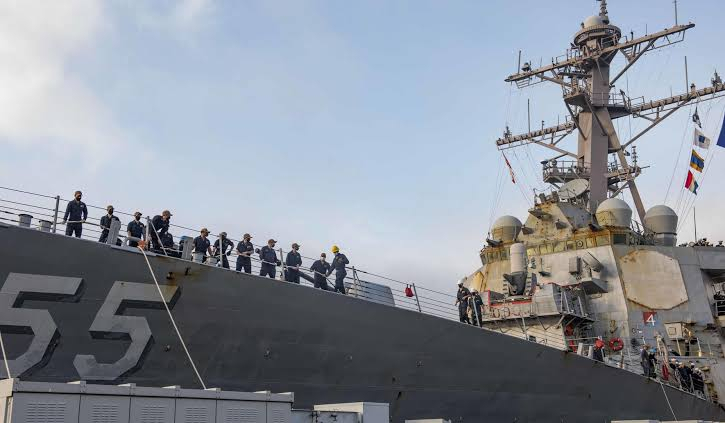
This analysis explores the critical disconnect between American naval superiority and the declining stability of the global maritime order. Despite massive expenditures, the U.S. fleet struggles with coercive asymmetric threats and a structural lack of domestic industrial capacity. The piece argues that reactive, ad hoc responses are insufficient to counter systemic vulnerabilities and the rise of China’s maritime infrastructure, necessitating a comprehensive strategic framework to address the realities of modern maritime disorder.