The United Arab Emirates delivered a shock to global energy markets by announcing its withdrawal from OPEC, effective May 1, 2026. This step frees Abu Dhabi from production quotas at a moment when Iranian attacks have struck Emirati soil repeatedly. Rather than join collective limits that prop up prices, the UAE now plans to unleash additional supply, aiming straight at the fiscal foundations of its adversary.
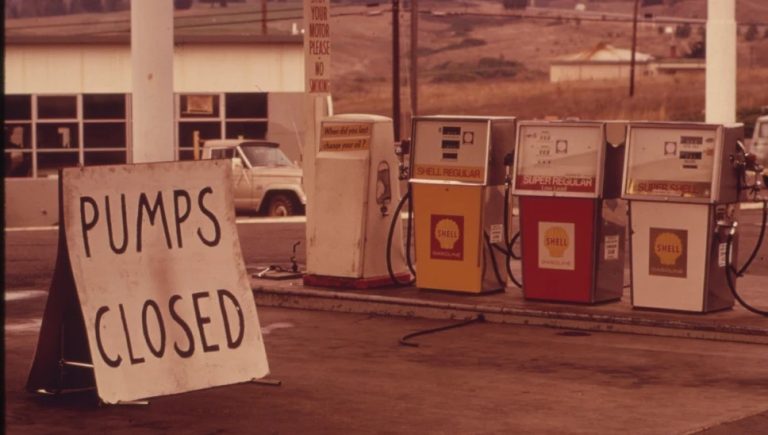
For half a century, Gulf producers largely followed a single script: restrict output to create scarcity and punish political opponents. The 1973 episode, when Arab states cut supplies to nations backing Israel, cemented that approach in strategic thinking. Yet the UAE has flipped the script. Instead of scarcity, it is deploying abundance, directing downward pressure on oil prices to squeeze revenues that Tehran relies upon for missiles, drones, and proxy militias across the region.
The Cost of Conflict
The numbers reveal the stakes. Iranian strikes on the UAE since late February have exceeded 500 ballistic missiles and more than 2,000 drones, according to official tallies, surpassing the volume directed at Israel in the same period. These attacks hit while OPEC membership quietly supported higher prices for Iranian barrels. Every barrel held back by the cartel raised the value of Iran’s exports, effectively subsidizing the very government firing on Gulf cities. Leaving that arrangement ends the indirect support.
Abu Dhabi’s productive capacity adds teeth to the decision. The country can bring roughly one million extra barrels per day to market once logistical constraints ease. In an environment where Iran’s budget depends heavily on oil sales, that volume disrupts the arithmetic Tehran uses to fund its forces and partners. Unlike past Saudi-led price campaigns framed as market defense, this move arrives during active hostilities and carries explicit strategic intent. Emirati leaders have signaled they will accept the diplomatic costs and intra-Gulf friction that follow.
Strategic Timing and Security Ties
The timing and messaging leave little ambiguity. The exit coincides with public criticism of weaker collective resolve among Gulf states and occurs against the backdrop of disrupted shipping through the Strait of Hormuz. Abu Dhabi appears prepared to absorb Iranian hostility and strained ties with Riyadh in exchange for tangible gains from its partners.
Those gains center on treating the substantial weakening of Iranian military and nuclear infrastructure as irreversible, not a bargaining chip for temporary pauses. Officials also seek formalized security arrangements that match the operational cooperation already visible, including Israeli contributions to Gulf air defense.
A New Gulf Realignment
This development reflects deeper changes in how the UAE views its security and economic future. Decades of investment have built sovereign wealth funds that now dwarf annual oil income, reducing dependence on cartel discipline. Normalization agreements with Israel have evolved into practical military coordination, moving relations far beyond rhetoric. The result is a more transactional approach that prioritizes concrete outcomes over traditional solidarity.
For OPEC, the departure of a major producer after nearly six decades of membership weakens the group’s cohesion at a vulnerable time. Saudi Arabia faces new pressures to manage the alliance without its third-largest contributor, while global consumers confront volatile prices amid supply disruptions. The episode also tests whether Washington and Jerusalem will match Abu Dhabi’s seriousness with binding commitments rather than calibrated diplomacy shaped by other regional considerations.
The UAE has transformed the oil weapon by changing its direction and nature. What began as a tool of collective scarcity now functions as unilateral supply pressure in service of specific strategic goals. The coming months will show whether this calculated gamble produces the security architecture and postwar role Abu Dhabi demands, or whether older patterns of hesitation prevail. Either way, the old axiom of unified Arab petro-power has been dismantled in practice, not just in theory.
Original analysis inspired by Amine Ayoub from JNS. Additional research and verification conducted through multiple sources.