Tag: OPEC

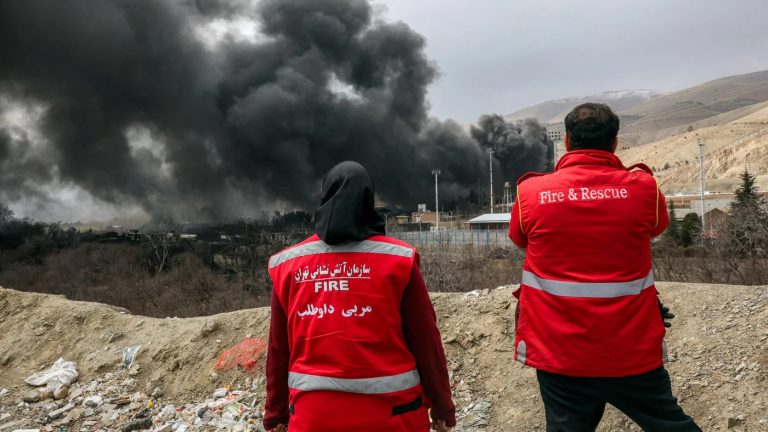
Two Iranian firefighters in red vests looking at thick black smoke rising from a distant facility.

Trump’s Iran Oil Threats Echo Decades of Plunder

Recent military strikes on Iranian energy infrastructure, including the Shahran refinery, have escalated tensions. President Trump’s rhetoric regarding the seizure of Iran’s oil reserves highlights a long-standing history of resource-based interventions. This situation mirrors historical events like the 1953 coup, reflecting an ongoing global struggle for economic sovereignty and resource control.

Read More »
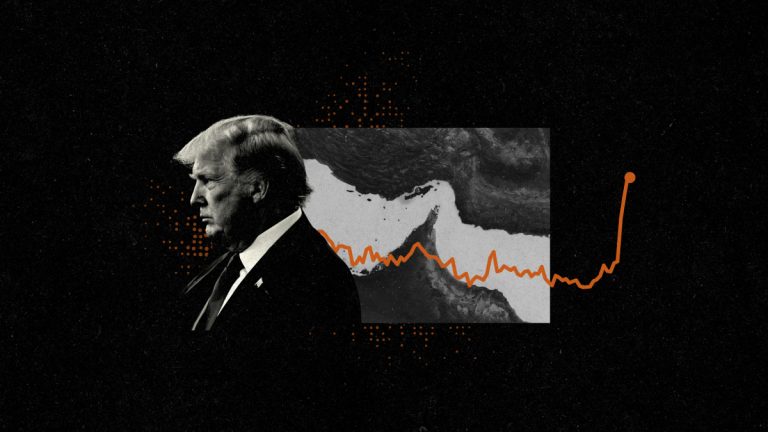
Illustration of Donald Trump's silhouette against a map of the Strait of Hormuz with a rising oil price graph.

Hormuz Closure Threatens Global Energy Stability

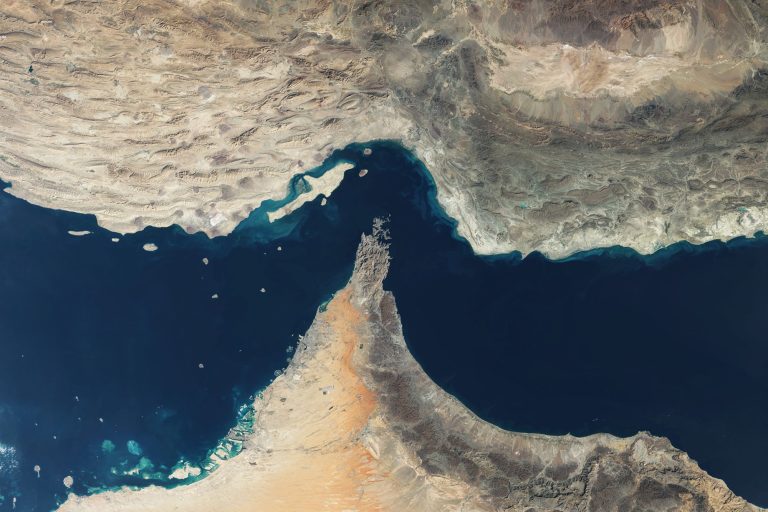
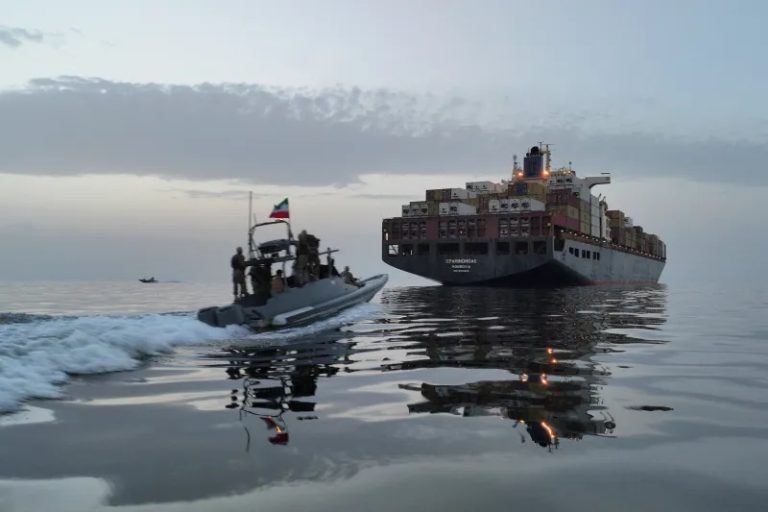
The effective closure of the Strait of Hormuz since March has disrupted one-fifth of global seaborne oil trade. With hundreds of tankers stranded and only limited transits occurring, the standoff is driving up global commodity prices and forcing nations to reassess their reliance on critical maritime chokepoints for energy and food security.

Read More »
Men in traditional Emirati clothing walking in front of a large ADNOC logo.

UAE Leaves OPEC: Fractures in Gulf Oil Power

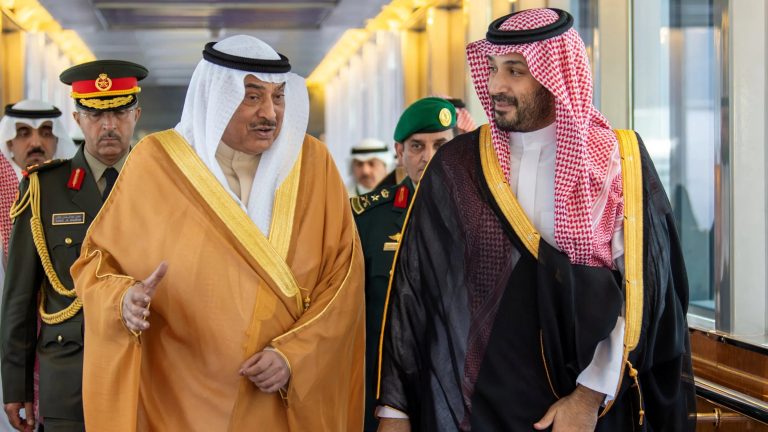
In a historic move, the United Arab Emirates has announced its withdrawal from OPEC. Driven by frustrations over production quotas and escalating bilateral tensions with Saudi Arabia, Abu Dhabi is prioritizing strategic autonomy and ADNOC’s expansion plans, potentially reshaping the future of global oil market coordination.

Read More »
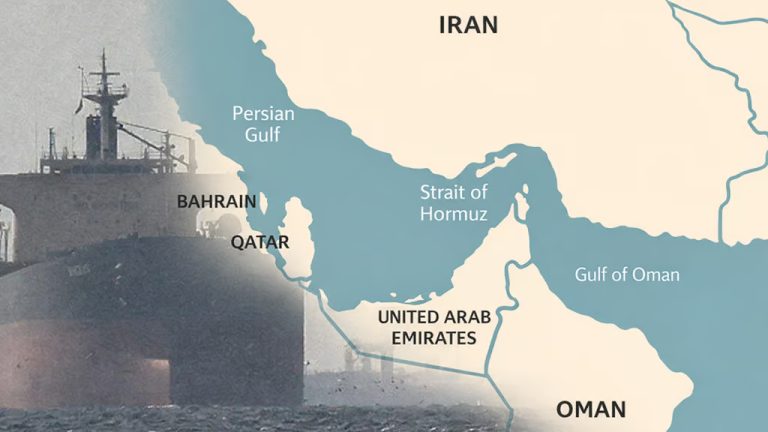
A geographical map of the Persian Gulf and Strait of Hormuz overlaid with a cargo ship.

The Ceasefire Is Signed, the Economic War Has Just Begun

The 2026 Iran War has triggered the largest energy supply disruption in history, dwarfing the shocks of 1973 and 1979. While the kinetic exchange has paused, the Strait of Hormuz remains commercially unusable due to a “Tehran Toll” system and a collapse in maritime insurance. With damage to Qatar’s LNG facilities projected to take years to repair, the global economy faces a structural “war premium” that threatens to push major economies into recession and force central banks to keep interest rates elevated through 2026.

Read More »
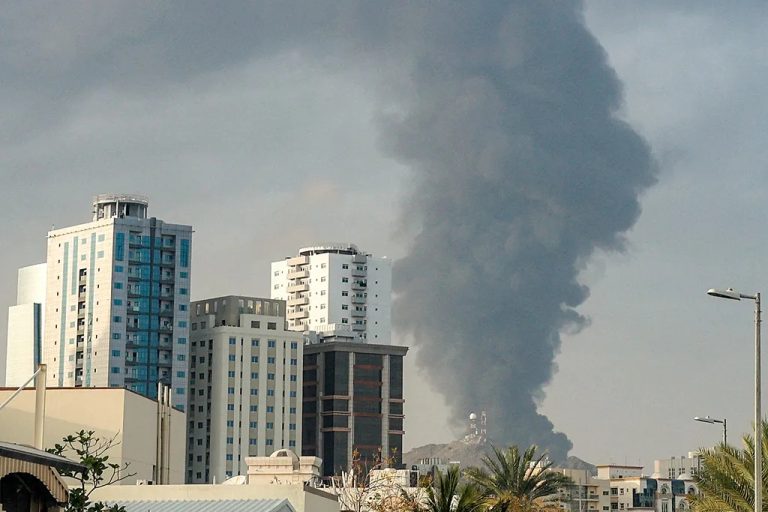
Large plumes of dark gray smoke rising behind urban apartment buildings under an overcast sky.

Who Wins and Loses From the Iran Energy Shock

The Iran energy shock of 2026 has fundamentally rewritten the rules of global petropolitics. As Brent crude prices surged, the traditional “oil winner” manual was discarded; for the first time, major producers in the Gulf found themselves economically paralyzed by their own geographic leverage.

Read More »
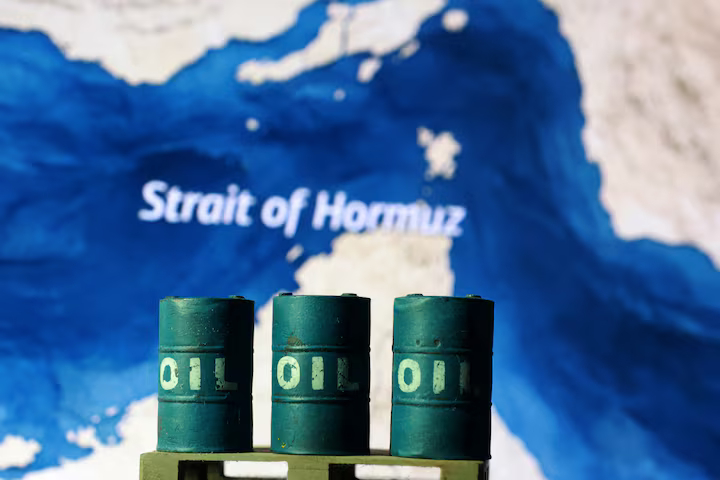
Three miniature green oil barrels placed in front of a map focusing on the Strait of Hormuz.

Oil Markets Are Pricing In Disaster and Traders Are Betting on It

The derivatives market is signaling a potential global energy catastrophe, with bets on $150-a-barrel Brent crude increasing tenfold since the start of the conflict. As the blockade of the Strait of Hormuz traps one-fifth of the world’s oil supply, traders are aggressively hedging against extreme price spikes, betting that a return to pre-war stability is increasingly unlikely.

Read More »

Iran’s Attack on Qatar’s Gas Fields Shatters Gulf Neutrality

Iran’s strike on Ras Laffan shattered Gulf neutrality. By targeting Qatar’s LNG lifeline, Tehran turned a mediator into an adversary. This “miscalculation” is welding the GCC to Washington’s military campaign. As neutrality shrinks, the Gulf’s focus has shifted from ending the war to ensuring Iran is permanently defanged.

Read More »
A large oil tanker at sea with black smoke billowing from its deck and a rescue boat nearby.

Reopening Hormuz: The Military Puzzle With No Quick Solution

Iran has shut the Strait of Hormuz with cheap drones and mines, while the U.S. lacks the ships, minesweepers, and escorts needed to reopen it quickly. Insurance markets have collapsed, oil supplies are plunging, and every delay strengthens Iran’s leverage. Some battlefields can be bombed open; Hormuz isn’t one of them.

Read More »