
Trump’s Iran Deadline Tests War Powers Limits
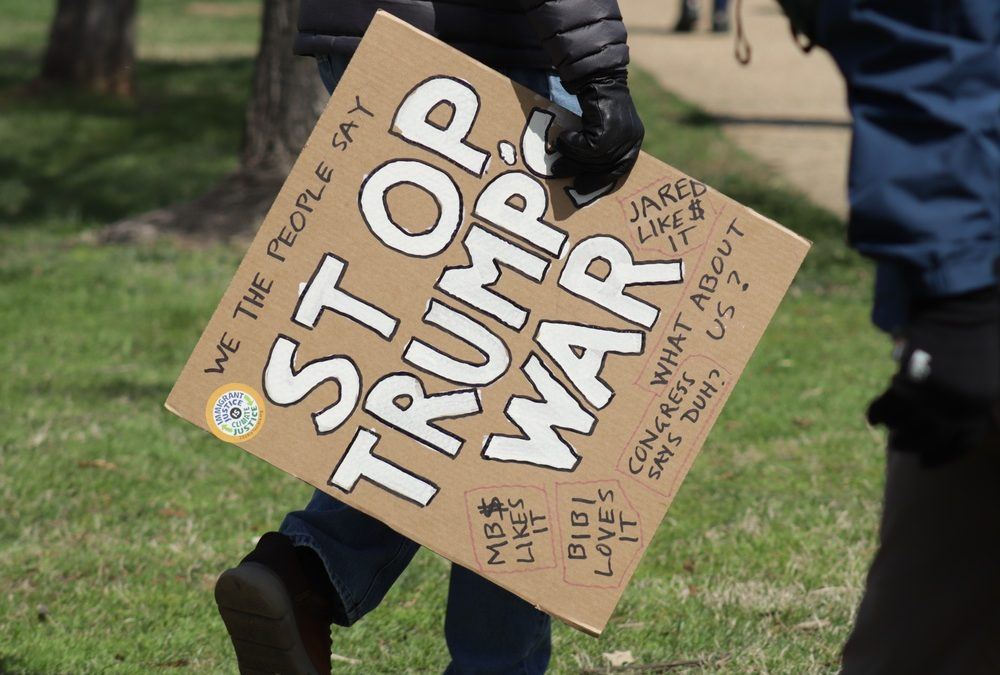
The expiration of the War Powers Resolution’s 60-day window has triggered a high-stakes legal battle between the White House and Congress. As the Trump administration cites a fragile ceasefire to justify continued deployments, lawmakers are weighing the necessity of formal authorization against the risks of open-ended regional conflict and diminished legislative oversight.
Superpowers Learn Restraint From US-Iran War
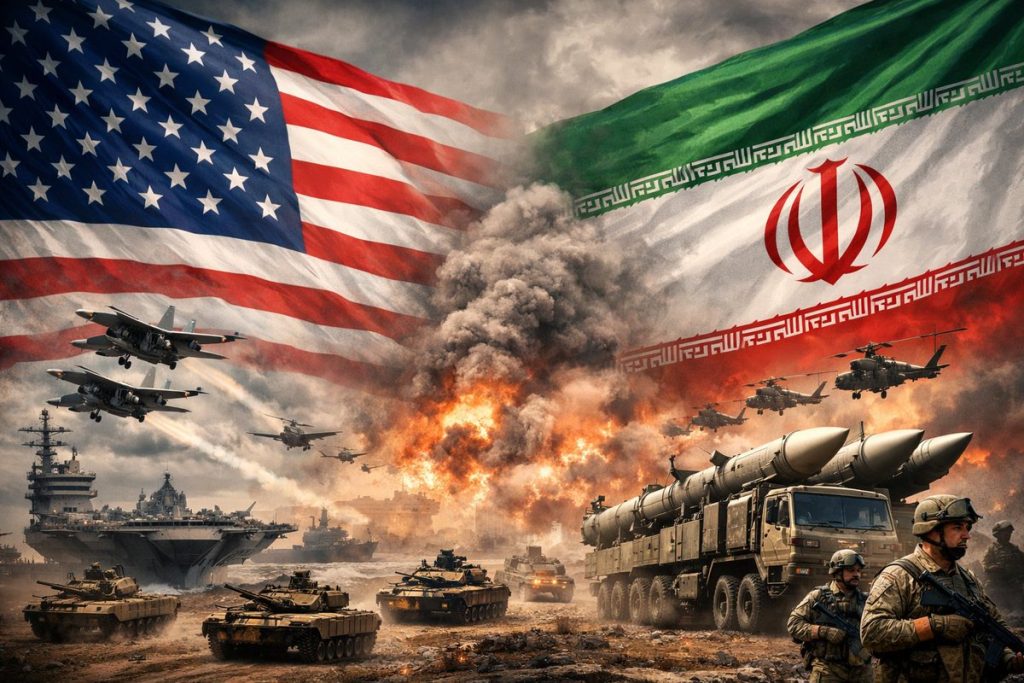
Recent military confrontations between the U.S. and Iran have led global strategists to reevaluate the costs of overcommitment. As defense spending competes with domestic needs and media coverage amplifies setbacks, major powers are shifting toward more selective engagement, prioritizing internal stability and core interests over prolonged, distant interventions.
Iran’s Hormuz Gambit Demands Fresh Energy Strategy
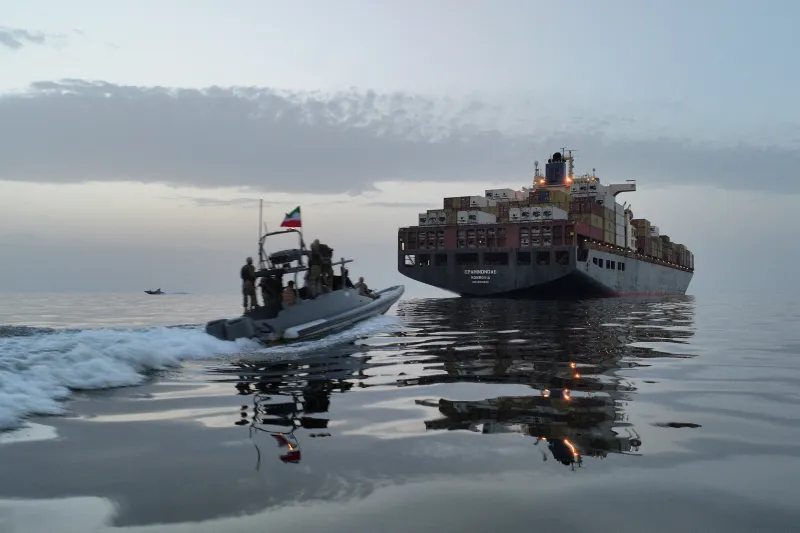
The ongoing blockade of the Strait of Hormuz has exposed critical vulnerabilities in global energy security, driving U.S. gasoline prices past $4.40. As military standoffs continue, experts urge a shift toward diversified supply routes, including Saudi Arabia’s East-West pipeline, and a renewed focus on domestic resilience and long-term energy innovation.
Hormuz Tensions Shift Afghanistan Aid Routes to Central Asia
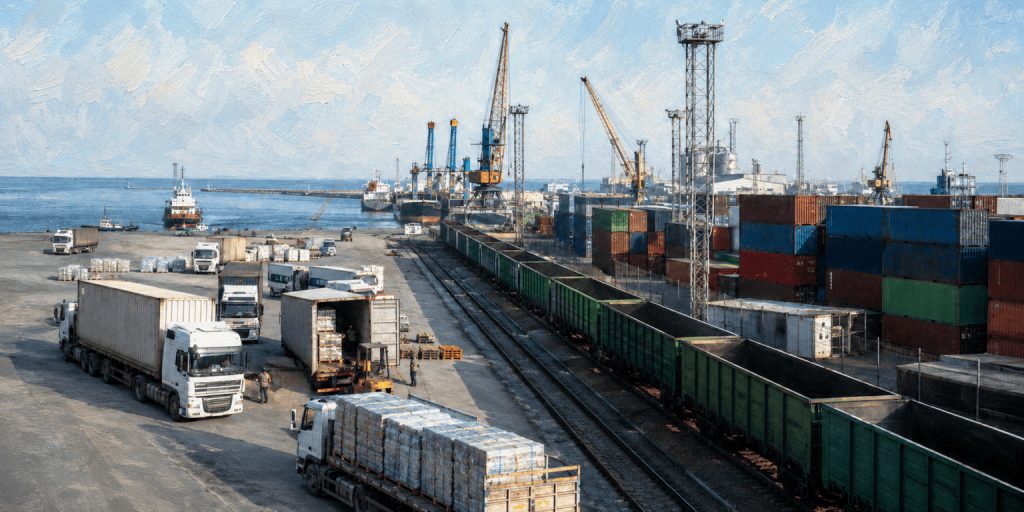
Ongoing conflict in the Strait of Hormuz has fractured traditional humanitarian supply lines, forcing agencies to reroute Afghan aid through Central Asia. With 3.7 million children at risk of malnutrition, the Lapis Lazuli Corridor and hubs like Termez have become vital lifelines for delivering essential food and medical supplies.
Hormuz Crisis Exposes Energy Innovation Gaps
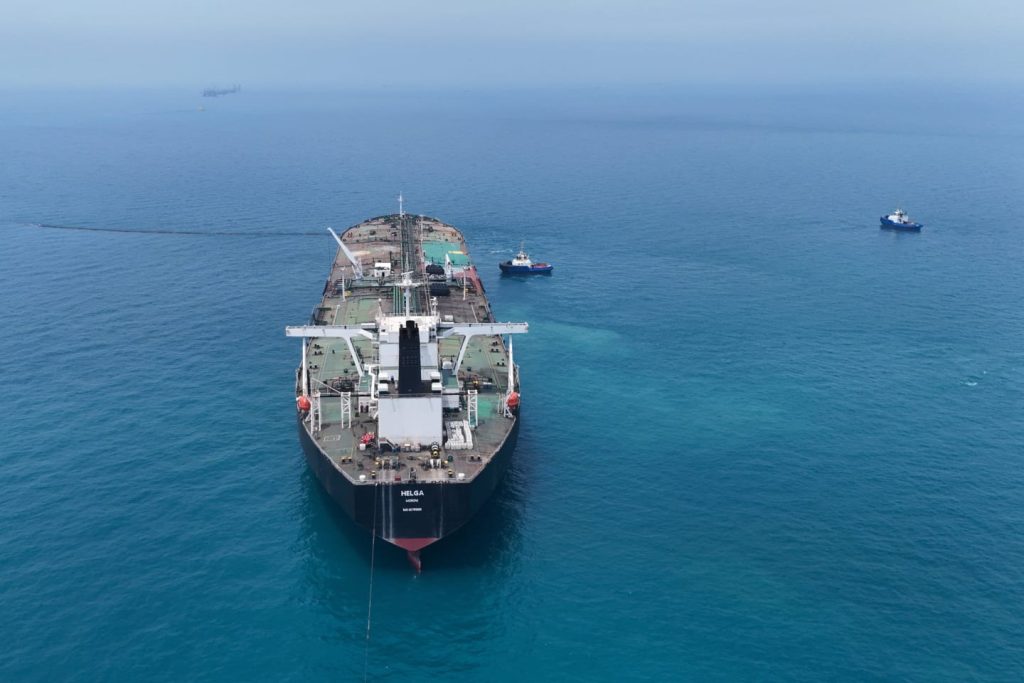
The unprecedented disruption in the Strait of Hormuz has exposed the vulnerability of global energy systems. Despite record-breaking reserve releases, the crisis underscores a critical need for sustained energy innovation. New data reveals a widening gap in research and deployment, with Nordic leadership contrasting a relative decline in U.S. innovation.