Western strategy toward the war in Ukraine faces an undeniable reality check as battlefield dynamics tilt steadily in Moscow favor. Despite billions of dollars in military assistance and sweeping economic sanctions, coercive pressure has failed to alter Kremlin core objectives or restore Ukrainian territorial control. Recent deep strike campaigns utilizing jet powered drones and ballistic missiles have battered Kyiv energy grid, disrupted Black Sea shipping, and threatened vital bridges across the Dnieper River. With American stockpiles of air defense interceptors dwindling, European capitals and Washington must confront the limits of military escalation and pursue a realistic diplomatic settlement.
Limits of Battlefield Attrition
Ukrainian counteroffensives, including Operation Vivaldi north of Kramatorsk and the earlier Kursk incursion, produced brief media momentum without shifting the strategic balance. Meanwhile, Russian air operations have grown more systematic, exploiting shortages of American PAC 3 interceptors to strike data centers, rail locomotives, and power plants deep inside western Ukraine. Analysts examining past negotiations note recurring deadlocks over sovereignty and security guarantees that derailed the 2014 and 2015 Minsk accords. Whenever Kyiv and Western backers walked away from talks believing full territorial liberation remained achievable, Moscow hardened its military posture.
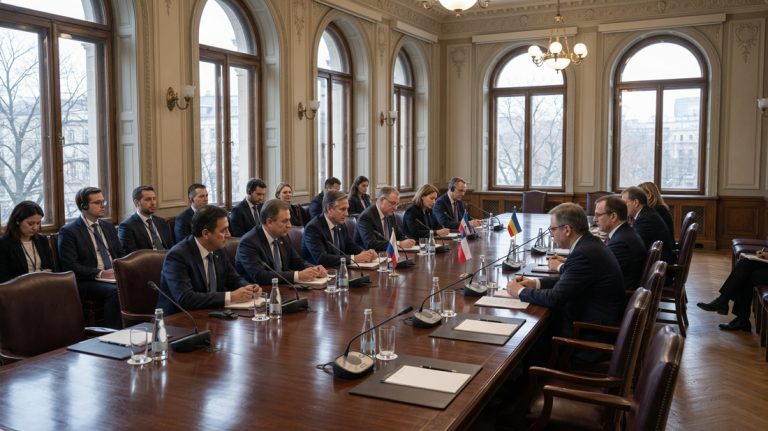
During recent discussions in Abu Dhabi, Russian negotiators tabled maximalist demands calling for NATO troop withdrawals from Poland and the Baltic states alongside strict caps on Ukrainian forces. Rather than viewing these opening bids as permanent dealbreakers, seasoned observers interpret Kremlin priorities as consistent with long standing demands over eastern Ukraine and Kyiv neutrality. Recognizing what Moscow will realistically accept allows Western diplomats to separate negotiating theater from essential terms.
A Pragmatic Diplomatic Offramp
For over two decades, eastward expansion of the transatlantic alliance served as a primary flashpoint in relations between Washington and Moscow. Historical assessments trace Russian warnings back to the 2008 Bucharest Summit, where pledges of eventual Ukrainian membership crossed explicit Kremlin red lines. Freezing future alliance enlargement and offering structured sanctions relief would give Moscow tangible incentives to halt offensive operations. At the same time, Washington could extend bilateral security assurances to Kyiv outside the formal alliance framework.
Entering the final stretch of his second term, President Donald Trump has expressed interest in brokering an enduring agreement that reshapes American strategic priorities. Settling the conflict in Eastern Europe would allow the United States to conserve defense resources and address broader rivalries in the Indo Pacific. Although any compromise carries painful territorial concessions for Kyiv, prolonging an unwinnable war of attrition risks even greater devastation for Ukraine and deeper instability across Europe.
Original analysis inspired by Michael C. Desch from Foreign Affairs. Additional research and verification conducted through multiple sources.