Extended climate negotiations at COP31 in Antalya have exposed a widening credibility gap between Western diplomatic rhetoric and actual policy implementation. As talks over climate finance, adaptation funding, and fossil fuel phaseouts stalled, several European and American outlets shifted attention toward Beijing, questioning why China has adopted a lower diplomatic profile. Yet focusing on Chinese posture obscures the central obstacle slowing global decarbonization: wealthy nations have struggled to deliver predictable financial support while erecting steep tariffs against affordable clean technologies.
Unmet Promises on Climate Finance
For more than a decade, developed economies pledged to mobilize 100 billion dollars annually to help vulnerable nations cope with climate disruption. Although recent data from the Organisation for Economic Cooperation and Development shows total flows surpassing that headline figure, developing countries continue to challenge how loans are counted and highlight declining shares for adaptation projects. United Nations finance assessments document persistent barriers that prevent vulnerable states from accessing grant based funding for disaster resilience.
Meanwhile, Washington retreat from multilateral climate diplomacy has left a leadership vacuum that Western commentators expect Beijing to fill unilaterally. Chinese negotiators rejected that framing, pointing instead to their domestic 2035 targets, which include cutting net emissions by 7 to 10 percent from peak levels and deploying 3,600 gigawatts of wind and solar capacity. From Beijing perspective, global progress requires every major economy to honor existing commitments rather than shifting new burdens onto developing nations.
Protectionism Versus Clean Energy Deployment
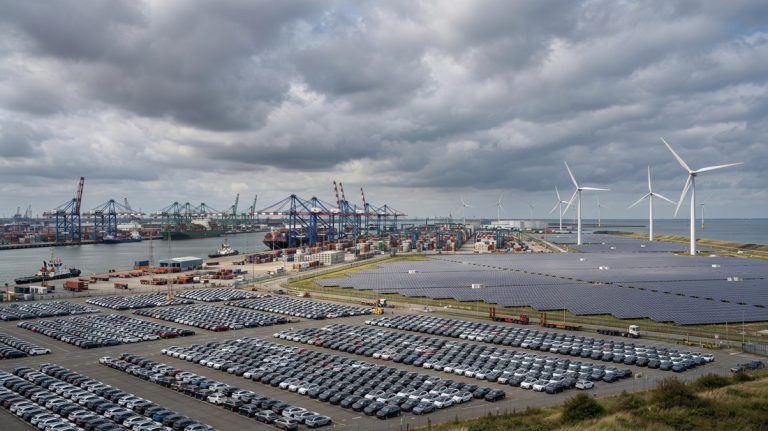
The sharpest contradiction in Western climate policy lies in trade restrictions targeting electric vehicles, lithium batteries, and solar panels. Both Brussels and Washington have imposed steep tariffs on Chinese green exports, citing subsidies, industrial overcapacity, and supply chain security. Yet trade figures from Eurostat confirm European reliance on Chinese solar modules, which accounted for 98 percent of extra European Union imports in recent years. Raising import costs on the cheapest available clean technologies directly slows global emissions reductions and drives up transition expenses for consumers.
At Antalya, Chinese delegates pushed to liberalize trade in environmental goods so developing economies can adopt solar and battery systems without punitive price markups. Achieving meaningful climate milestones after COP31 will depend less on media narratives and more on whether Western capitals align their trade policies with their stated environmental goals.
Original analysis inspired by Global Times from Global Times. Additional research and verification conducted through multiple sources.