Tag: Ukraine War

A high-level diplomatic meeting between Russian and Turkish officials around a conference table.

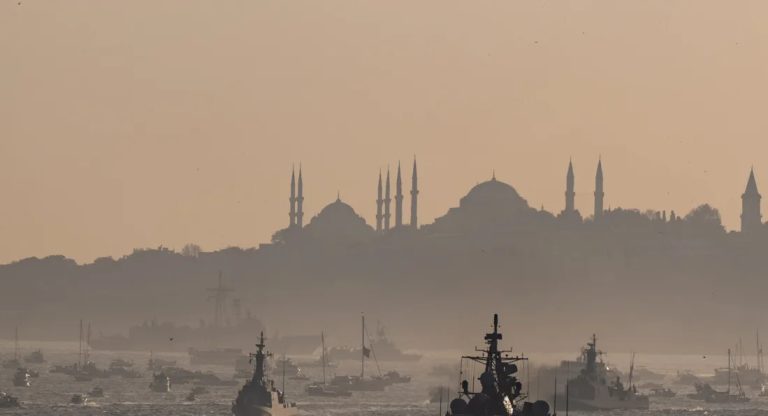
Turkey Plays Both Sides and Keeps Winning

This analysis explores the paradox of Turkey’s foreign policy: maintaining vital energy and security ties with Russia while remaining a pillar of NATO. We examine how Ankara leverages its unique geographic position and transactional diplomacy to extract maximum value from both East and West, effectively defining a new model for “middle-power” autonomy in an era of shifting global alliances.

Read More »
A symbolic scarecrow wearing a nuclear radiation hazard helmet with crows circling.

Nuclear Deterrence Is Failing — and the World Has Not Yet Noticed

This article evaluates the weakening credibility of traditional nuclear deterrence in the face of modern hybrid warfare and proliferating conventional technologies. By analyzing recent conflicts—such as drone strikes on strategic assets—we explore why nuclear-armed states are increasingly vulnerable to non-nuclear attacks. The piece argues that instead of pursuing further proliferation, the global security focus must shift toward “deterrence by denial,” cost-effective missile defense, and strengthening the international nuclear taboo to prevent escalation in an increasingly volatile landscape.

Read More »
A person waving a Russian flag in front of Saint Basil's Cathedral in Moscow.

The West Keeps Predicting Russia’s Collapse and Keeps Getting It Wrong

This analysis examines the persistent failure of Western analytical frameworks to accurately predict Russia’s stability. By examining the impact of the “knowledge iron curtain” that has severed direct research ties, the structural biases within exiled opposition discourse, and the ideological blind spots regarding authoritarian functionality, we argue that the “collapse narrative” is actively distorting Western policy. This report challenges the assumption that Russia’s ongoing economic and military stresses must inevitably lead to systemic breakdown, urging a shift toward empirical observation and a more nuanced understanding of how Moscow continues to adapt under pressure.

Read More »
A Ukrainian soldier covering his ears near a heavy artillery piece during combat.

Ukraine’s Grinding War Is Slowly Turning Against Russia

As of June 1, 2026, the war in Ukraine is characterized by intensified aerial bombardment and long-range drone strikes, deepening the cycle of destruction. With diplomatic efforts stalled and both Moscow and Kyiv prioritizing battlefield gains over concessions, the conflict has settled into a high-intensity stalemate. This report examines the current military landscape, the impact of mid-range strike campaigns on logistics, and the growing divide between U.S.-led pressure for a swift resolution and the European commitment to a sustained, deterrence-based approach to Russian aggression.

Read More »
A soldier in camouflage kneeling on a dirt path while operating a drone controller, with a military tank nearby.

Why Europe Should Cofinance US Defense Enablers

This analysis argues for a structured cofinancing model between Europe and the United States to address persistent shortfalls in high-end military enablers, such as secure command networks and advanced intelligence. By formalizing these investments, allies can maintain credible deterrence against regional threats while optimizing resources across a multipolar global landscape.

Read More »
Vladimir Putin speaking at a podium with Russian and Chinese flags in the background.

Why US Pressure Keeps Pushing Moscow and Beijing Closer

This analysis explores the resilience of the Sino-Russian partnership, arguing that Western pressure has inadvertently solidified their cooperation. By examining the shift from ideological alignment to a partnership built on shared threats—and analyzing the failure of recent U.S. “wedge strategies”—we highlight why Moscow and Beijing view their collaboration as an indispensable strategic necessity, even amidst growing economic asymmetries and localized frictions.

Read More »
Small desktop flags of Russia and China standing crossed against a soft, light-colored background.

Putin’s 25th Visit to China Tests Beijing’s Balancing Act

This article analyzes Vladimir Putin’s 25th presidential visit to China, arriving immediately after Donald Trump’s departure from Beijing. While the leaders target energy deals like the Power of Siberia 2 pipeline, the summit highlights China’s strategic tightrope walk as an indispensable power broker managing ties with both Washington and Moscow.

Read More »
Chinese President Xi Jinping speaking at a podium during the Beijing Summit with a prominent orange background displaying Beijing China.

Beijing’s Double Summit Rewrites the Power Triangle

This analysis explores the geopolitical significance of Xi Jinping hosting the American and Russian presidents back-to-back in Beijing. Breaking from historical Cold War dynamics, China now occupies the center of this unequal power triangle, balancing massive Western commercial ties with an existential energy partnership with a sanctioned, anxious Moscow.

Read More »
A grayscale collage of Viktor Orbán and another political figure against the red, white, and green colors of the Hungarian flag.

European Votes Test Populist Staying Power

This analysis explores the recent electoral shifts in Britain and Hungary, highlighting the governance challenges facing populist movements. While outsider appeals can win elections, sustaining power requires delivering on economic stewardship and institutional integrity. As US conservatives look toward upcoming midterms, these European results serve as a vital warning.

Read More »
Aerial view of a US Navy carrier strike group moving across the blue ocean.

US Munitions Crisis Threatens China Deterrence

Recent combat operations in the Middle East have significantly depleted American munitions reserves, raising alarms about U.S. readiness to deter China. As Beijing maintains a massive lead in industrial production, the Pentagon is prioritizing the “Hellscape” strategy—using swarms of unmanned systems to defend the Taiwan Strait—while struggling to address a multibillion-dollar backlog in conventional arms deliveries to Taipei.

Read More »
Portrait montage of world leaders Vladimir Putin, Xi Jinping, and Donald Trump.

Why Grand Bargains Elude Washington, Beijing and Moscow

High-level summits in Beijing between leaders of the U.S., China, and Russia highlight a new era of strategic distrust. As interdependence fades, these powers are prioritizing economic resilience and flexible, time-limited understandings over comprehensive global accords. This shift reflects a broader trend toward a fragmented, multipolar world defined by competition rather than shared rules.

Read More »
Close-up portrait of Hungarian Prime Minister Viktor Orbán against a blurred background of European Union flags.

Hungary Vote Exposes EU’s Enduring Splits

The landslide victory of Péter Magyar’s Tisza Party in Hungary marks the end of Viktor Orbán’s 16-year rule and a significant turning point for the EU. While the new government promises to unblock major aid packages for Ukraine, enduring disagreements over enlargement and national sovereignty continue to challenge European unity.

Read More »