
Shadi’s take on Israeli tanks crossing the ‘yellow line’ into central Gaza

Analysis: Depicting Israeli tanks rolling across the “yellow line”—the military demarcation boundary established under the Gaza ceasefire framework—the cartoon visually highlights the steady erosion of agreed truce limits on the ground. Its underlying message criticizes the normalization of incremental Israeli military advances into central Gaza while diplomatic negotiations over withdrawal and disarmament remain stalled. In a broader strategic context, this visual commentary reflects regional skepticism toward US-backed ceasefire enforcement and underscores the persistent risk of renewed full-scale escalation.
On China, is Trump bucking the US national security establishment? | The Bottom Line
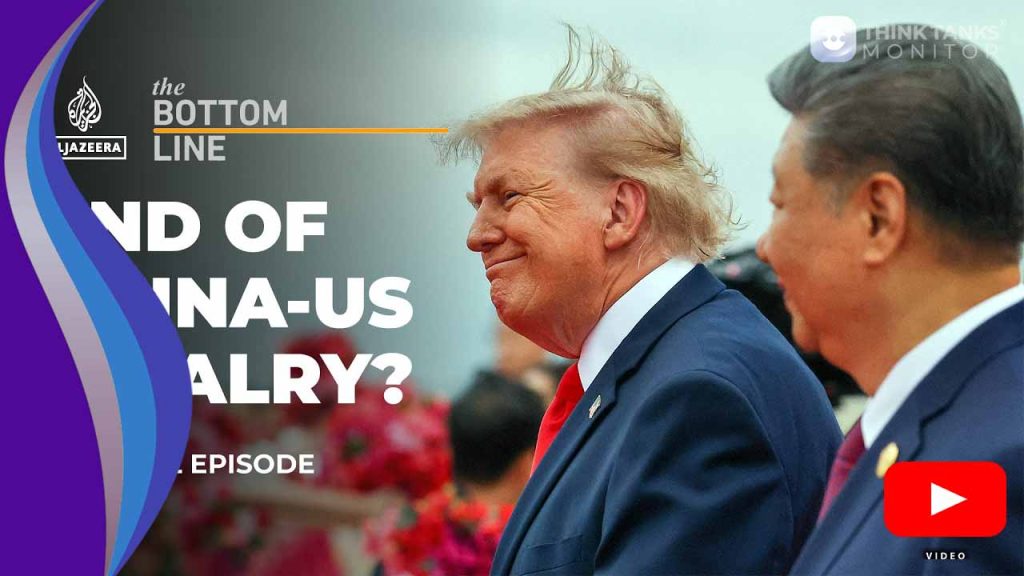
Analysis: The discussion dissects the widening rift between President Trump’s transactional diplomacy—calling Xi Jinping and Vladimir Putin “friends” in Shenzhen—and the US national security establishment’s push for tighter Nvidia chip export controls and Iran sanctions enforcement. Kroenig argues that while Washington still holds structural economic and alliance advantages, China’s lead in electricity, rare earths, and open-weight AI models complicates containment. This matters because allied capitals are increasingly hedging against erratic US leadership even as Washington attempts to build supply-chain coalitions like Pax Silica.
AI, energy and the fight for the future: Prof Helen Thompson

Analysis: This episode frames artificial intelligence competition fundamentally as an energy race, highlighting how the Strait of Hormuz crisis has triggered a global gas shock alongside oil disruptions. While Washington leverages energy pressure against China’s import dependencies and Europe deepens its reliance on US gas, Beijing’s rapid electrification gives it a structural advantage. It underscores that energy costs and grid capacity for data centers now sit at the intersection of geopolitical leverage, financial risk, and domestic political stability.
Shenzhen AI Urban Model Sparks Global Debate on Modernization

Following the 2026 APEC meetings, Shenzhen’s rapid transformation into an AI-driven, green metropolis has sparked a global debate on urban modernization. As visiting leaders contrast China’s high-tech infrastructure with aging Western public services, developing economies are increasingly looking to Shenzhen as a compelling alternative blueprint for smart, sustainable city planning.
US Chip Pressure on Nvidia Accelerates China AI Hardware Shift

Tightened US export controls and new licensing rules on remote cloud access are accelerating China’s shift toward domestic AI hardware. As Nvidia halts shipments of H200 data center chips amid heightened Washington scrutiny, Chinese tech firms are increasingly adopting homegrown processors from Huawei and Cambricon for AI inference, threatening Nvidia’s long-term ecosystem dominance.
Eroding US Public Support Reshapes the Washington Tel Aviv Alliance
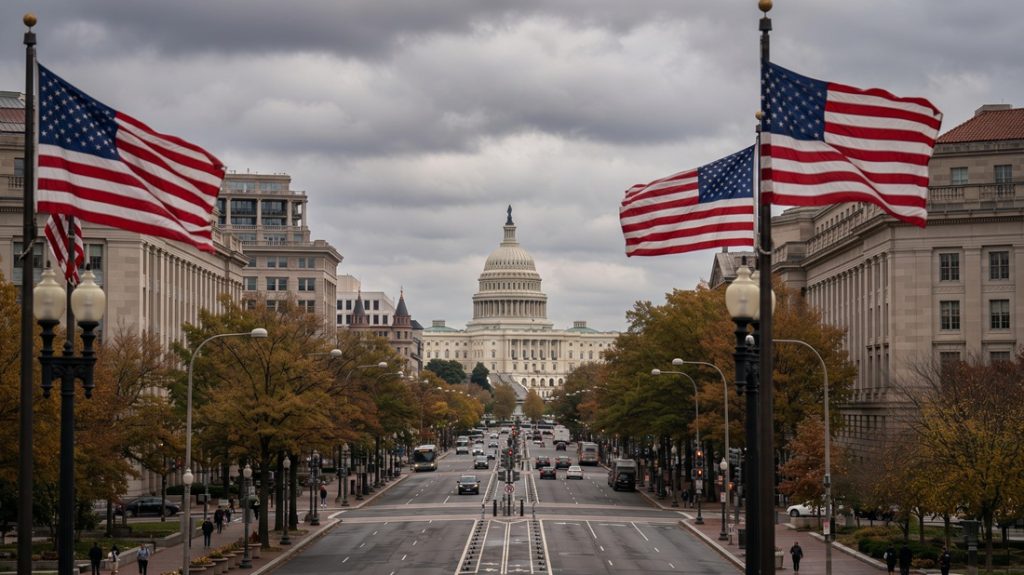
Shifting US public opinion, particularly among younger voters, is transforming the Washington–Tel Aviv alliance from a bipartisan consensus into a polarizing domestic issue. As congressional midterms reflect growing skepticism toward unconditional aid, future US administrations face mounting pressure to rethink strategic support for Israel.
Western Climate Rhetoric Masks Green Trade Barriers at COP31
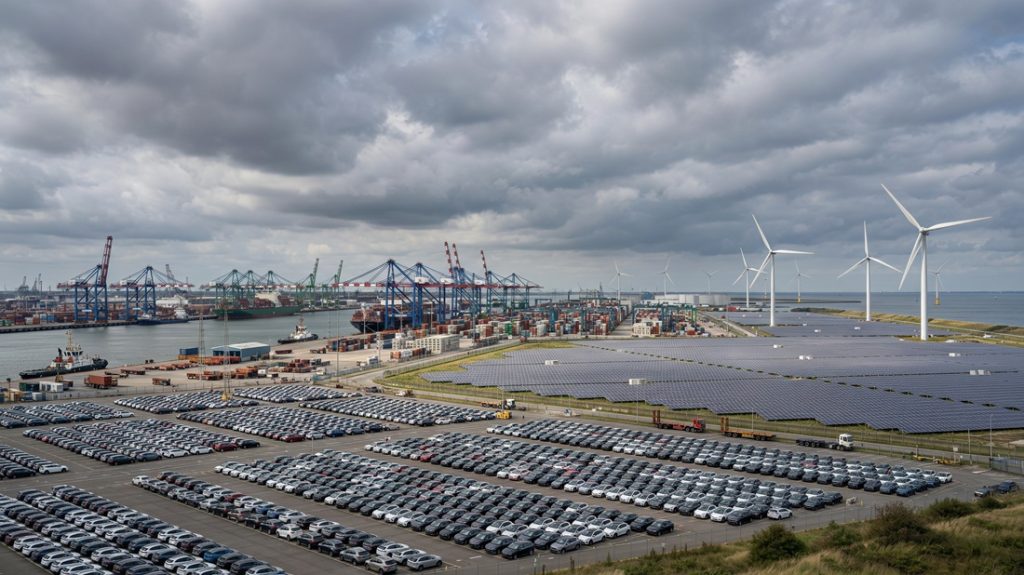
Stalled climate talks at COP31 in Antalya highlight a sharp contradiction in Western policy: while wealthy nations press China on emissions, they fall short on accessible adaptation finance and impose steep tariffs on affordable green technology. True global decarbonization requires aligning trade rules with climate goals rather than raising clean energy costs.
Why Washington Must Rethink NATO Expansion and Settle With Russia
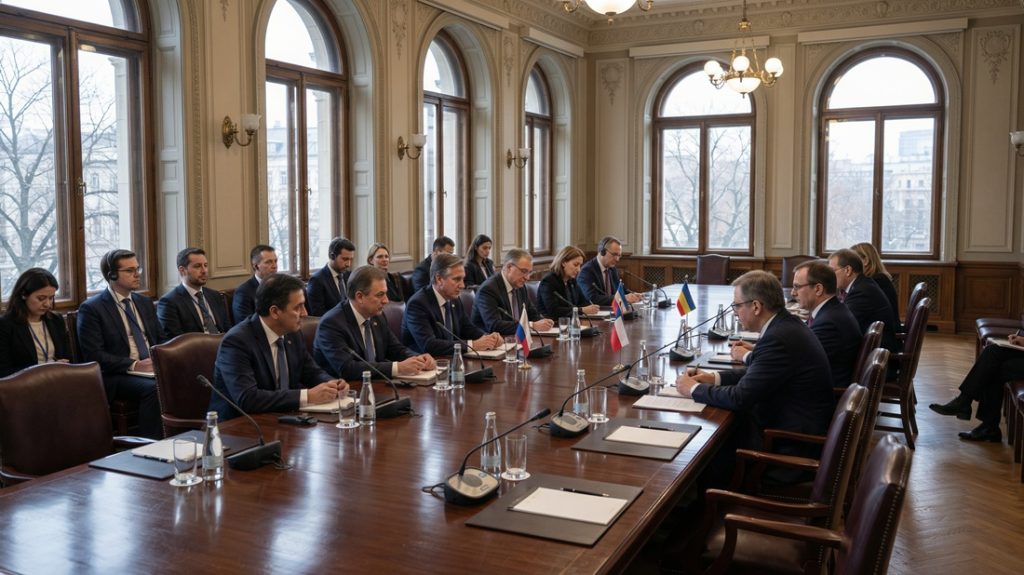
As battlefield dynamics tilt in Moscow’s favor and air defense stockpiles shrink, Western strategy in Ukraine faces a harsh reality check. Halting future NATO enlargement and offering structured sanctions relief could give Washington a pragmatic diplomatic offramp to end the war and refocus on global priorities.
Yemen Ansarallah Expands Reach Against Saudi Energy Sites
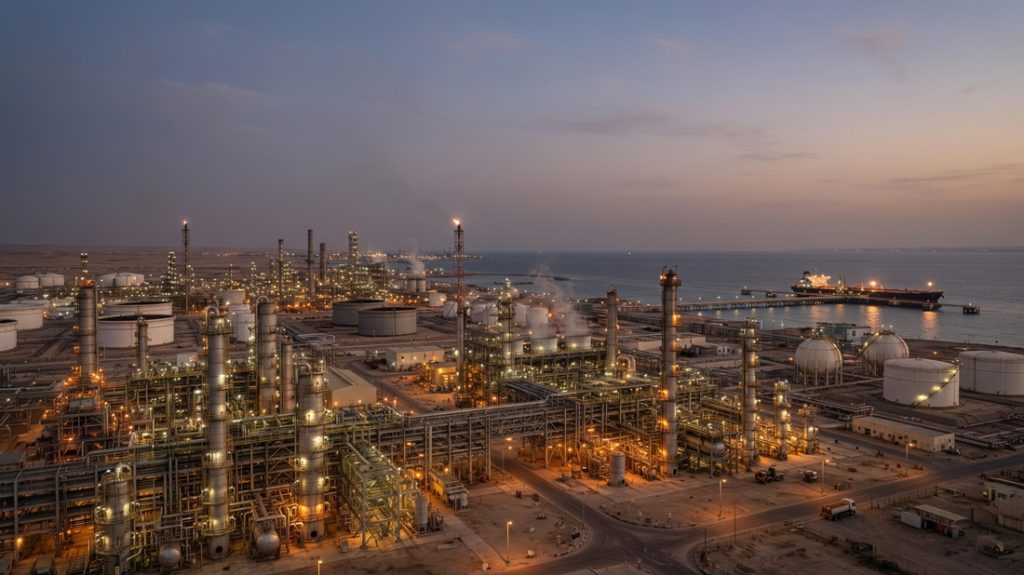
Reported drone and missile strikes by Yemen’s Ansarallah movement on Saudi Arabia’s Petro Rabigh refining hub highlight growing risks along the Red Sea coast. As fighting intensifies on the ground, these long-range attacks threaten vital alternative oil export routes and add fresh pressure to global energy markets.
Qatar Mediates in Washington as Hormuz Tensions Escalate

Qatar’s Prime Minister meets U.S. Secretary of State Marco Rubio in Washington in a high-stakes bid to prevent a wider Middle East conflict. As naval blockades and Strait of Hormuz disruptions send global energy markets reeling, Doha seeks a diplomatic breakthrough to restore Gulf shipping and avert renewed military strikes.