Category: Europe

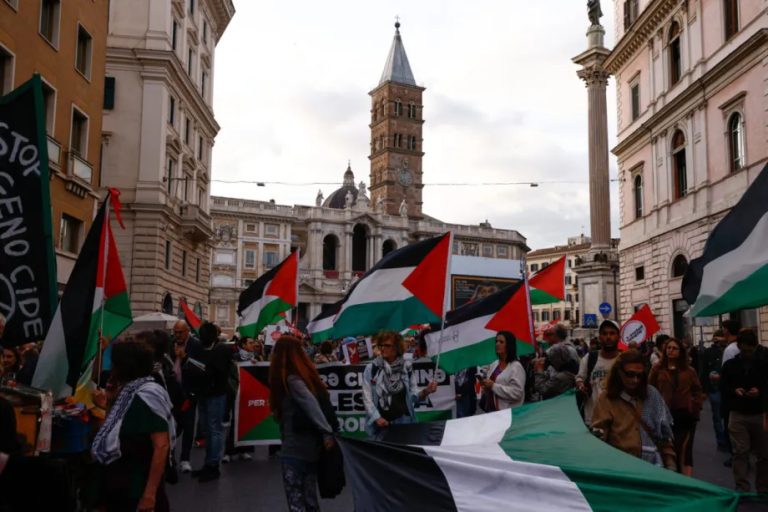
A crowd of people marching through a city street while carrying large Palestinian flags.

Israel’s Lebanon Occupation Is Ethnic Cleansing by Another Name

The situation in southern Lebanon remains dire as the declared ceasefire between Israel and Hezbollah faces constant strain. Despite diplomatic efforts and U.S.-led trilateral negotiations, significant Israeli military presence persists, with officials explicitly rejecting withdrawal and signaling a long-term strategy of creating “security buffer zones.” As the humanitarian crisis deepens—with over 1.2 million displaced—this article explores the disconnect between international diplomatic rhetoric and the operational realities on the ground, where the declared “Gaza model” of occupation continues to redefine the geopolitical landscape of the region.
Read More »
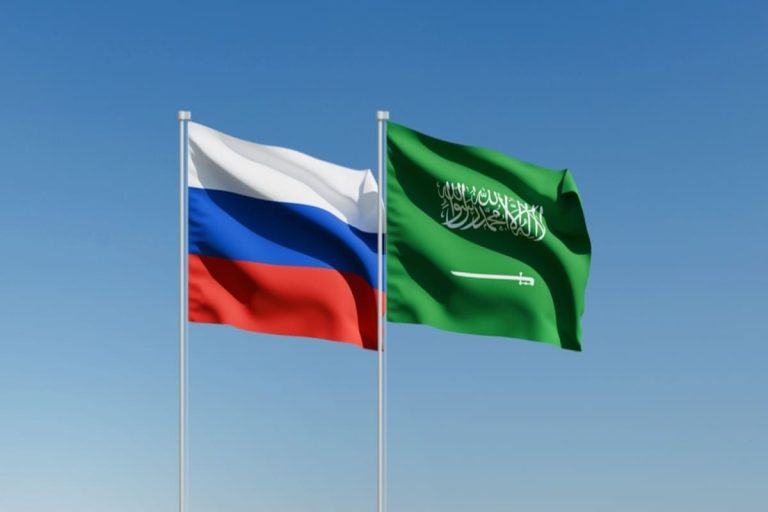
The national flags of Russia and Saudi Arabia waving against a clear blue sky.

Why Russia Is Not Saudi Arabia:

While drone strikes on energy infrastructure have drawn comparisons to the 2019 Abqaiq attack on Saudi Arabia, the strategic outcomes differ drastically due to the compounding effect of Western sanctions. Unlike Saudi Arabia, which leveraged open global markets to restore capacity within weeks, Russia faces crippling repair delays for specialized refinery components. This article examines the intersection of drone-driven attrition and economic isolation, arguing that sanctions are now functioning as a force multiplier that prevents Russia from recovering from modern, low-cost precision strikes.

Read More »
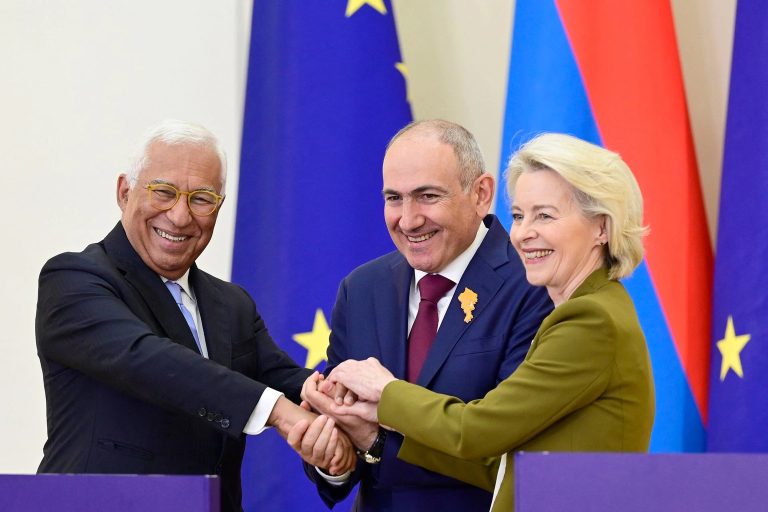
Prime Minister Nikol Pashinyan of Armenia joining hands with EU officials.

Armenia’s Westward Turn Survives Moscow’s Pressure, But the Hard Part Starts Now

Armenia’s recent parliamentary election signals a decisive pivot toward the West, overcoming significant Russian economic and political interference. However, the path to a durable peace with Azerbaijan remains constrained by constitutional bottlenecks. Washington now faces a critical opportunity to provide diplomatic support, ensuring this democratic transition successfully consolidates.

Read More »
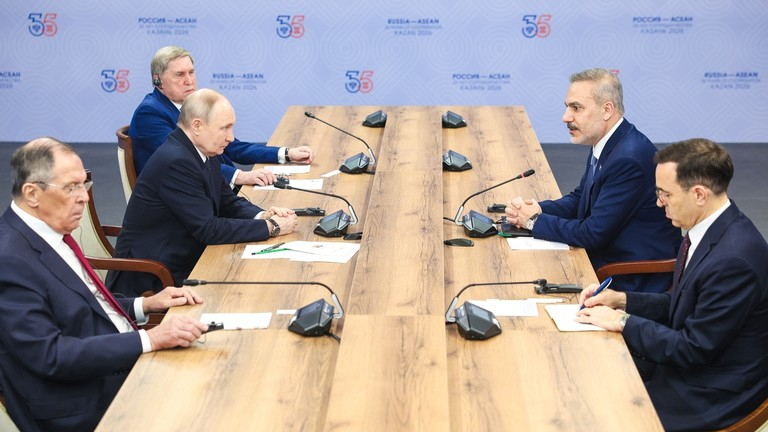
A high-level diplomatic meeting between Russian and Turkish officials around a conference table.

Turkey Plays Both Sides and Keeps Winning

This analysis explores the paradox of Turkey’s foreign policy: maintaining vital energy and security ties with Russia while remaining a pillar of NATO. We examine how Ankara leverages its unique geographic position and transactional diplomacy to extract maximum value from both East and West, effectively defining a new model for “middle-power” autonomy in an era of shifting global alliances.

Read More »
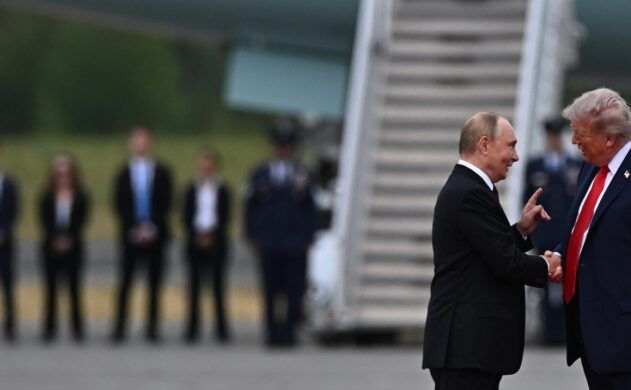
Vladimir Putin and Donald Trump shaking hands on an airfield.

Nuclear Arms Control After New START: The World Has No Rulebook

The official expiration of the New Strategic Arms Reduction Treaty (New START) on February 5, 2026, marks a historic collapse of the bilateral nuclear arms control framework. For the first time since 1969, the world’s two largest nuclear powers operate without legally binding limits on their strategic arsenals. This analysis explores the risks posed by this legal vacuum, including heightened unpredictability, the erosion of transparency mechanisms, and the challenges of integrating emerging technologies—such as AI and hypersonics—into a future arms control architecture. With no formal successor agreement currently under negotiation, the global security landscape faces a precarious shift toward an unconstrained nuclear environment.

Read More »
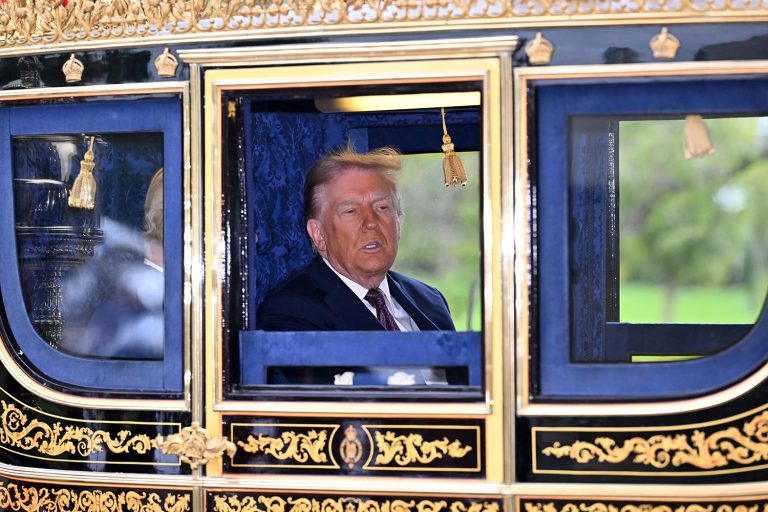
Donald Trump sitting inside a traditional golden-trimmed state carriage.

Trump’s Civilizational Rhetoric Is Fracturing the Very West It Claims to Defend

This article examines the rise of “civilizationalism” as a guiding doctrine in American foreign policy and the resulting strain on the traditional Western alliance. By analyzing the historical parallels to late-stage imperial Rome and the fracturing of multilateral commitments, we discuss how the shift toward identity-based rhetoric—rather than civic or interest-based diplomacy—is accelerating a global transition toward an “American-minus-one” international system, where key partners increasingly seek stability and trade arrangements outside of Washington’s influence.

Read More »
A symbolic scarecrow wearing a nuclear radiation hazard helmet with crows circling.

Nuclear Deterrence Is Failing — and the World Has Not Yet Noticed

This article evaluates the weakening credibility of traditional nuclear deterrence in the face of modern hybrid warfare and proliferating conventional technologies. By analyzing recent conflicts—such as drone strikes on strategic assets—we explore why nuclear-armed states are increasingly vulnerable to non-nuclear attacks. The piece argues that instead of pursuing further proliferation, the global security focus must shift toward “deterrence by denial,” cost-effective missile defense, and strengthening the international nuclear taboo to prevent escalation in an increasingly volatile landscape.

Read More »
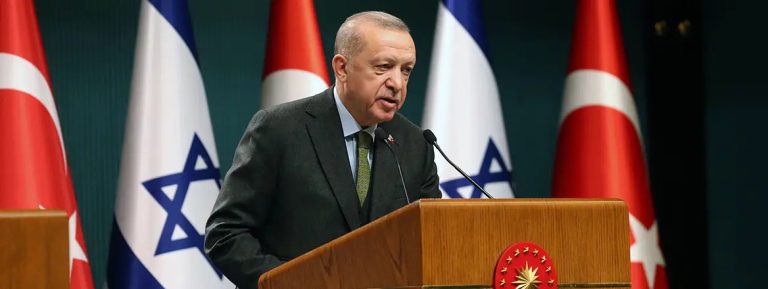
Turkish President Recep Tayyip Erdoğan speaking at a podium with Turkish and Israeli flags in the background.

The Iran War Is Handing Turkey a Regional Opportunity It Did Not Ask For

The aftermath of the US-Iran conflict has unexpectedly positioned Turkey as a central player in regional security and trade. By leveraging its growing defense industry and anchoring vital alternative trade corridors like the Iraq Development Road, Ankara is capitalizing on Gulf states’ desires for strategic autonomy. This post analyzes how Turkey’s diplomatic maneuvering and new regional alignments, including the emerging Turkey-Pakistan-Saudi-Egypt quartet, are reshaping the Middle Eastern economic and geopolitical landscape.

Read More »
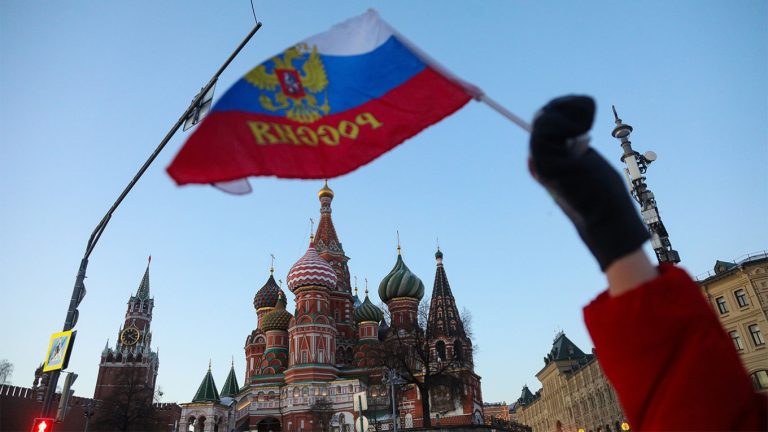
A person waving a Russian flag in front of Saint Basil's Cathedral in Moscow.

The West Keeps Predicting Russia’s Collapse and Keeps Getting It Wrong

This analysis examines the persistent failure of Western analytical frameworks to accurately predict Russia’s stability. By examining the impact of the “knowledge iron curtain” that has severed direct research ties, the structural biases within exiled opposition discourse, and the ideological blind spots regarding authoritarian functionality, we argue that the “collapse narrative” is actively distorting Western policy. This report challenges the assumption that Russia’s ongoing economic and military stresses must inevitably lead to systemic breakdown, urging a shift toward empirical observation and a more nuanced understanding of how Moscow continues to adapt under pressure.

Read More »
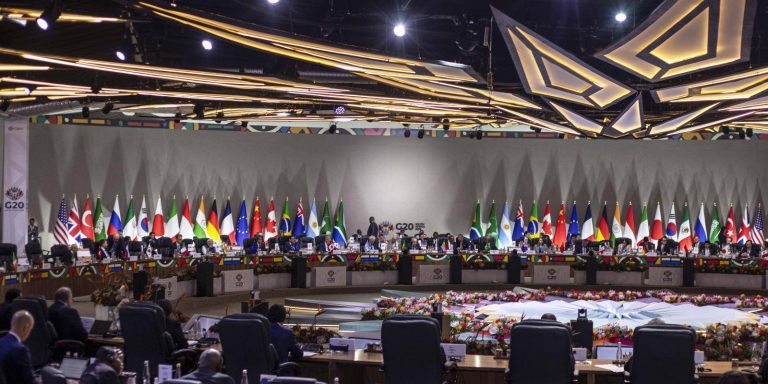
A wide view of a G20 summit conference hall featuring flags and representatives from various nations.

The Case for a Third Economic Pole Without the US or China

This analysis examines the recent Chatham House report, Saving global economic governance from the ‘Trump shock’, which advocates for the creation of a “third economic pole” in the global financial system. As the U.S. and China increasingly weaponize economic policy and dismantle multilateral institutions, the report argues that market-oriented middle powers must move beyond ad-hoc “variable geometry” coalitions. By establishing a standing alliance between the European Union and the 12 CPTPP member states, these nations could create a stable, rules-based trade bloc large enough to maintain economic openness and resilience independently of the two competing hegemons.

Read More »
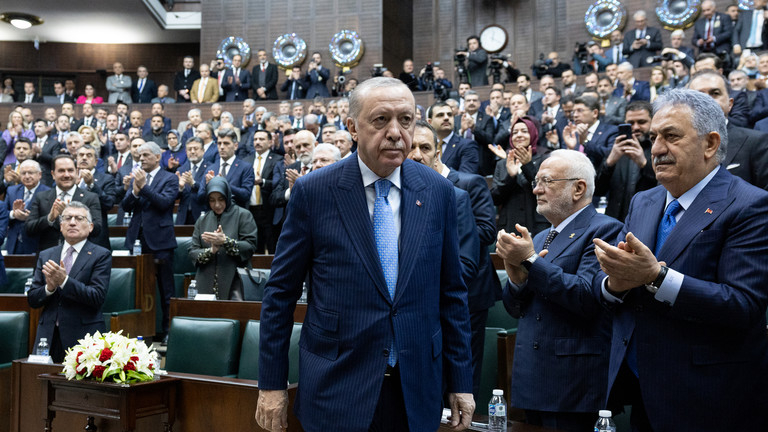
Turkish President Recep Tayyip Erdoğan walking through a crowded assembly hall.

Turkey Is Building the Military Network Iran Could Never Assemble

This analysis examines Turkey’s ambitious regional military strategy as demonstrated at the EFES-2026 exercise. By hosting troops from across North Africa and the Levant—including previously fractured Libyan factions and Syria’s newly reconstituted army—Ankara is moving beyond the proxy-based influence models of the past. We explore how Turkey is leveraging its institutional legitimacy and NATO status to formalize a durable military network, effectively creating a new strategic reality in the Middle East that challenges Israeli security planning and reshapes the regional balance of power.

Read More »
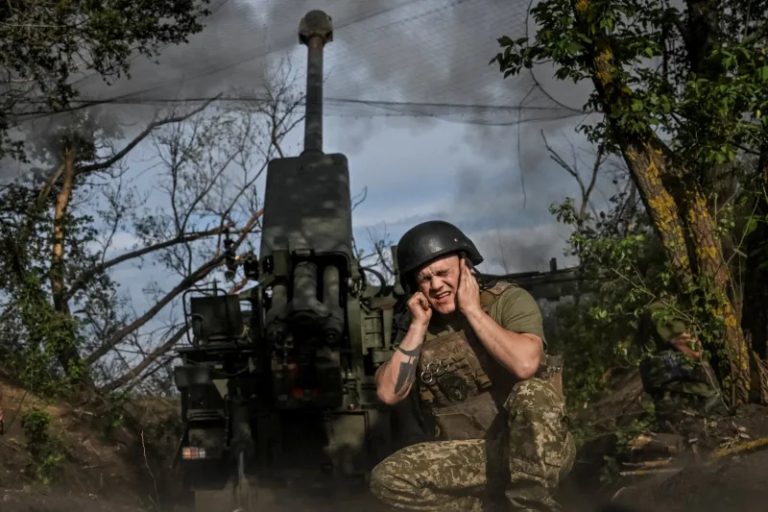
A Ukrainian soldier covering his ears near a heavy artillery piece during combat.

Ukraine’s Grinding War Is Slowly Turning Against Russia

As of June 1, 2026, the war in Ukraine is characterized by intensified aerial bombardment and long-range drone strikes, deepening the cycle of destruction. With diplomatic efforts stalled and both Moscow and Kyiv prioritizing battlefield gains over concessions, the conflict has settled into a high-intensity stalemate. This report examines the current military landscape, the impact of mid-range strike campaigns on logistics, and the growing divide between U.S.-led pressure for a swift resolution and the European commitment to a sustained, deterrence-based approach to Russian aggression.

Read More »