Category: Europe

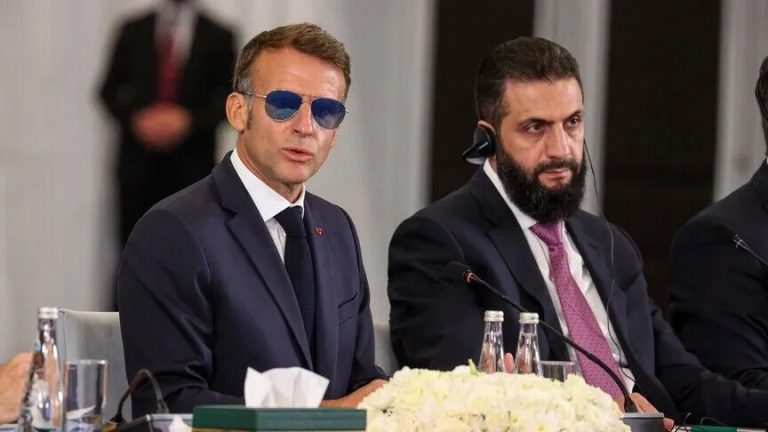
French President Emmanuel Macron wearing sunglasses sitting alongside a Syrian official during a formal meeting.

Macron’s Damascus Pivot: France Bets on a New Syria

In a bold diplomatic shift, President Emmanuel Macron has become the first Western leader to visit Damascus since the fall of the Assad regime. This landmark trip signals France’s commitment to pragmatic engagement, focusing on massive reconstruction efforts and new economic partnerships to stabilize a transitioning Syria.

Read More »
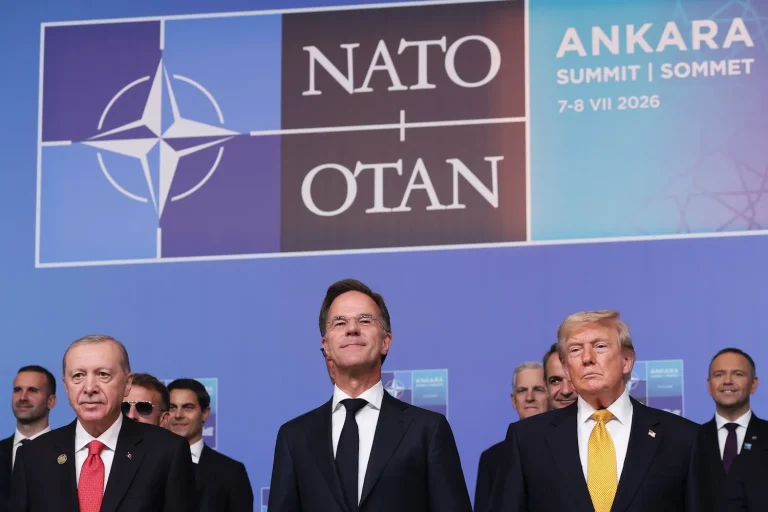
World leaders including Recep Tayyip Erdoğan, Mark Rutte, and Donald Trump standing together at the NATO summit in Ankara.

Turkey’s Moment: Ankara Becomes the Indispensable Ally

Turkey’s role on the world stage has fundamentally shifted. From navigating the conflict in Ukraine to mediating regional crises, Ankara has transformed from a transactional partner into a central security pillar. Despite ongoing tensions, Western powers are increasingly recognizing that Turkey’s strategic importance is now a defining fact of the new global order.

Read More »
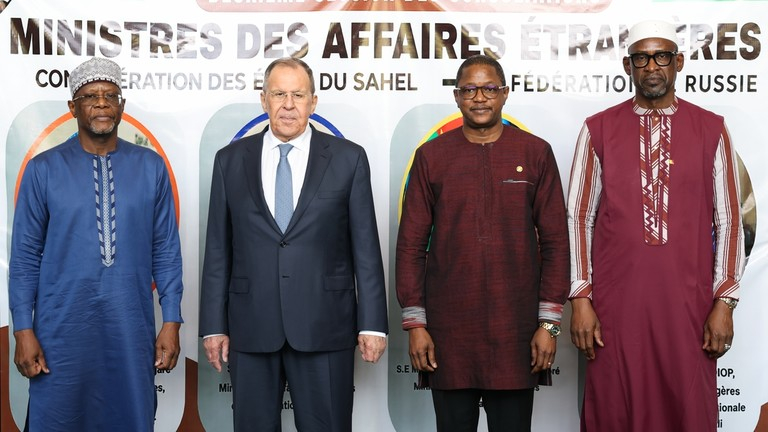
Four officials standing in a row in front of a banner during a diplomatic meeting between the Sahel and Russia.

Russia Deepens Its Strategic Footprint in Africa

As Western influence fades, Moscow is aggressively filling the security vacuum in the Sahel. Through the formalized “Africa Corps,” Russia is cementing a new strategic axis with military juntas, prioritizing regime security over traditional democratic partnerships in a high-stakes geopolitical shift across the African continent.

Read More »
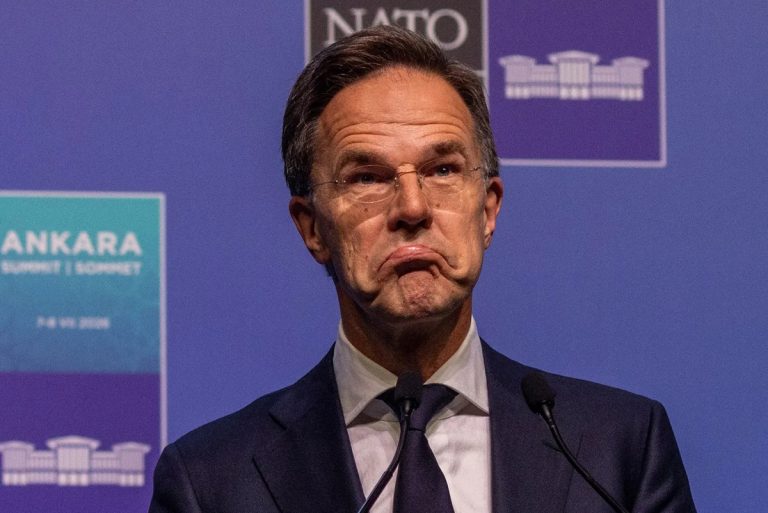
Mark Rutte appearing concerned while speaking at a podium with NATO branding in the background.

NATO Plays the Long Game as Trump Looms

The recent Ankara summit marked a turning point for NATO. While navigating internal political volatility, the alliance is quietly accelerating its strategic autonomy. By surging defense investment and prioritizing long-term resilience, European leaders are preparing for a future where they can ensure their own security, independent of Washington’s fluctuating commitments.

Read More »
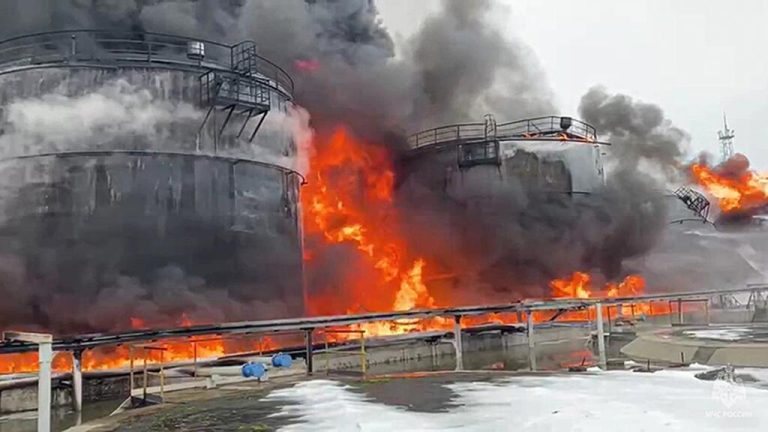
Industrial oil tanks engulfed in flames and thick black smoke after a drone attack.

Drone Warfare Exposes Oil’s Achilles’ Heel

Drone warfare has exposed the critical fragility of global oil infrastructure. From refineries to shipping lanes, centralized fossil fuel assets are increasingly vulnerable to low-cost strikes. This new reality proves that transitioning to decentralized, renewable energy is no longer just environmental—it is a vital national security imperative.

Read More »
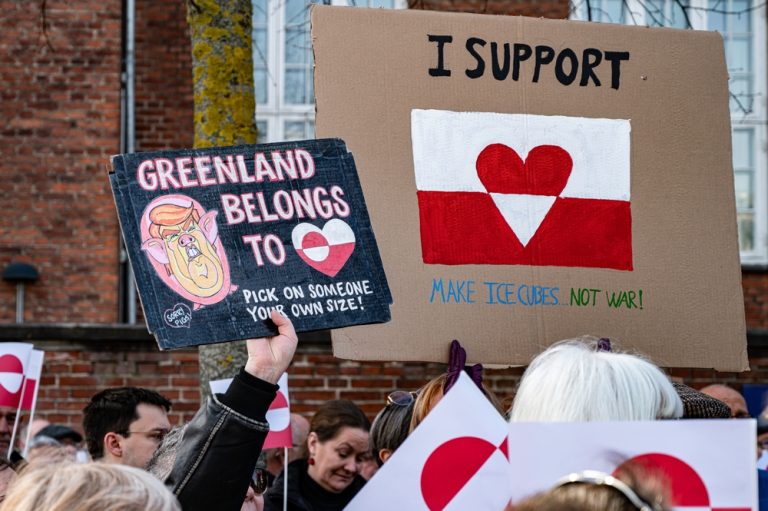
Protesters holding signs in Copenhagen expressing opposition to the potential U.S. purchase of Greenland.

Trump’s Greenland Push Risks Arctic Stability

President Trump’s continued pursuit of Greenland—despite firm rejections from Denmark and local leaders—is straining transatlantic relations. By prioritizing 19th-century expansionist goals over existing security partnerships like the Pituffik Space Base, the administration risks fracturing the very alliance framework currently protecting the Arctic.

Read More »
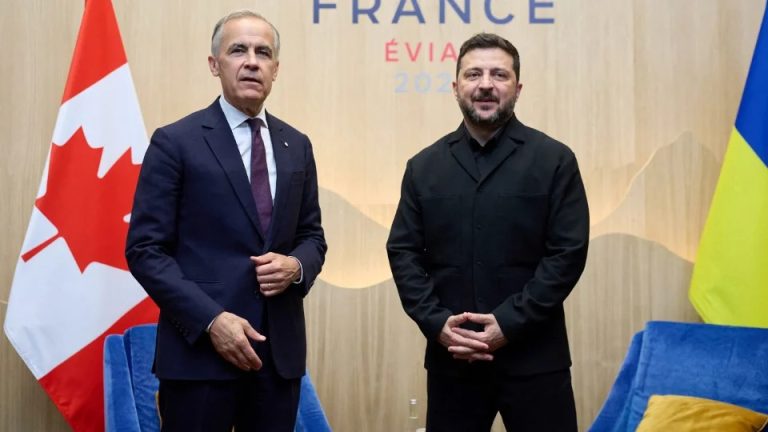
Mark Carney and President Volodymyr Zelenskyy standing together at a diplomatic conference.

Canada’s Two-Track Foreign Policy on Crisis

Canada has long championed the international rules-based order, but its divergent responses to the conflicts in Ukraine and Gaza have sparked intense debate. By comparing its robust support for Ukraine with its more restrained approach toward Israel, critics argue that Ottawa’s foreign policy often prioritizes geopolitical alignment over universal human rights.

Read More »
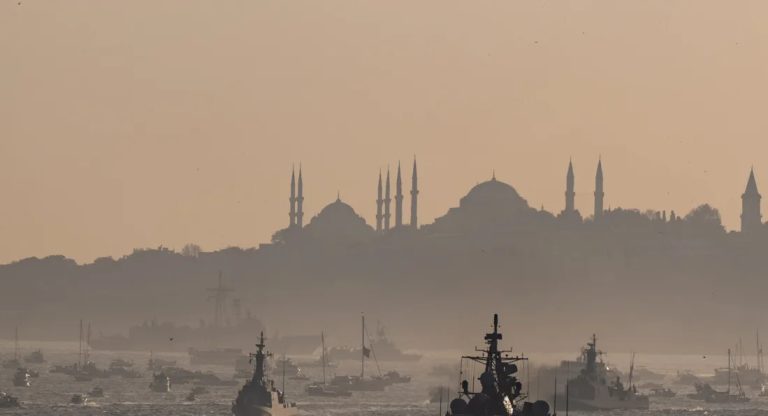
A hazy silhouette of Istanbul’s skyline, including mosques, overlooking ships in the harbor at sunset.

Turkey Holds the Key to Black Sea Security and Knows It

With the Montreux Convention entering its 90th year, Turkey has successfully leveraged its control over the Bosphorus and Dardanelles to become the ultimate gatekeeper of the Black Sea. This article explores how Ankara’s “regional ownership” strategy is shaping postwar security and balancing power between Russia and NATO.

Read More »
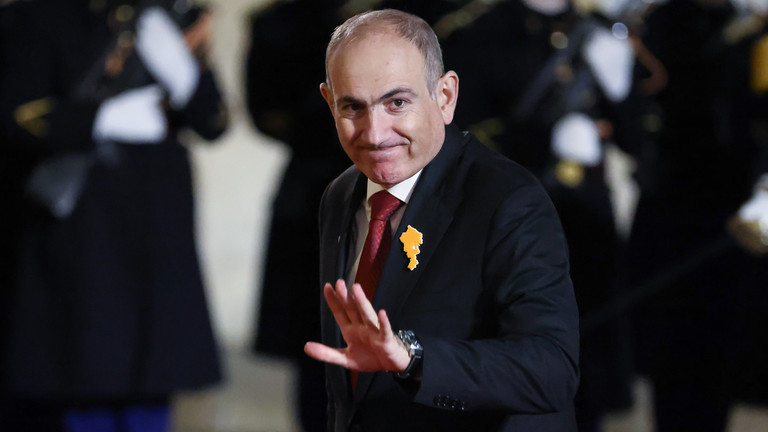
Armenian Prime Minister Nikol Pashinyan waving to the crowd while wearing an orange lapel pin.

Armenia Bets on Turkey — and the Stakes Have Never Been Higher

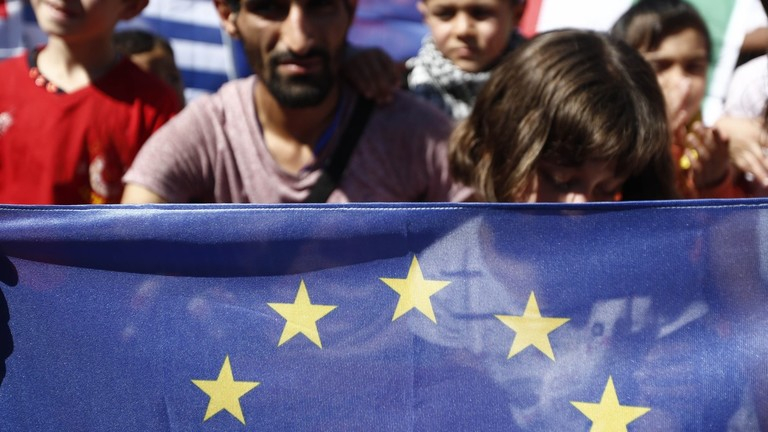
This analysis explores the strategic realignment currently underway between Armenia and Turkey. After decades of frozen borders and historical enmity, recent diplomatic efforts suggest a potential breakthrough aimed at economic integration and regional connectivity. However, the article highlights the divergent motivations behind this process: Yerevan seeks a pivot toward the European Union as it distances itself from Russia, while Ankara views normalization as a tool to consolidate its position as an indispensable regional hub. We assess the persistent risks—including Azerbaijan’s unresolved territorial demands, the limitations of Western security guarantees, and the shadow of Russian influence—that continue to complicate Armenia’s efforts to establish a durable path toward stability. Ultimately, this piece questions whether normalization offers a genuine escape from regional dependency or merely replaces one set of structural vulnerabilities with another.

Read More »
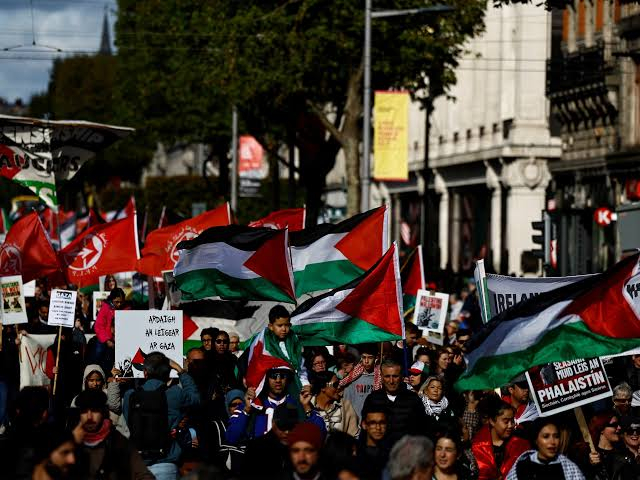
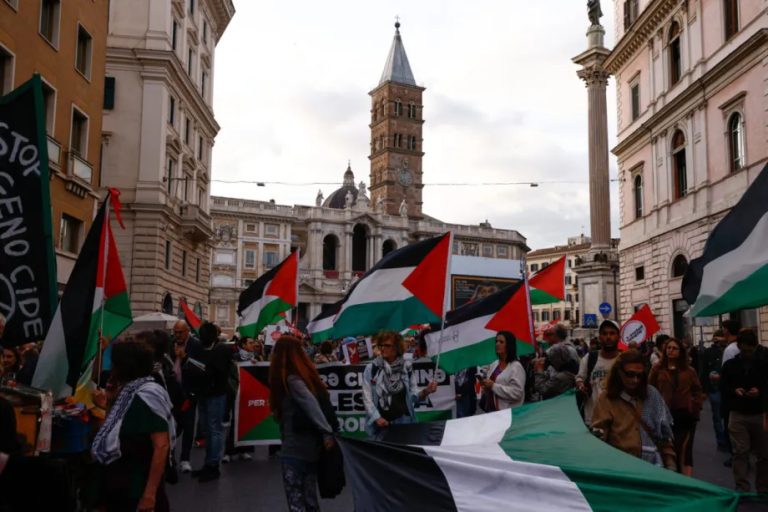
A crowd of people marching through a city street while carrying large Palestinian flags.

Israel’s Lebanon Occupation Is Ethnic Cleansing by Another Name

The situation in southern Lebanon remains dire as the declared ceasefire between Israel and Hezbollah faces constant strain. Despite diplomatic efforts and U.S.-led trilateral negotiations, significant Israeli military presence persists, with officials explicitly rejecting withdrawal and signaling a long-term strategy of creating “security buffer zones.” As the humanitarian crisis deepens—with over 1.2 million displaced—this article explores the disconnect between international diplomatic rhetoric and the operational realities on the ground, where the declared “Gaza model” of occupation continues to redefine the geopolitical landscape of the region.

Read More »