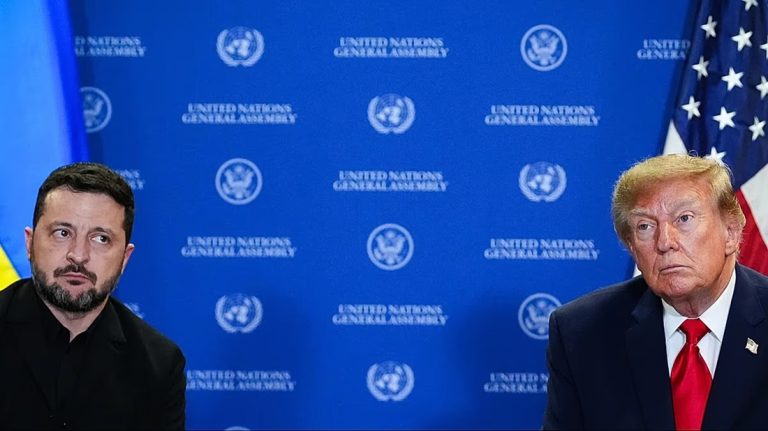
Donald Trump has directed a temporary waiver of sanctions on Russian diesel exports after a phone call with Vladimir Putin. The arrangement is intended to increase global supply and lower fuel prices before the November midterm elections. Ukrainian President Volodymyr Zelensky condemned the step as unfair and likely to extend the war by strengthening the Kremlin’s finances. Trump has also urged Ukraine to stop striking Russian refineries and suggested that Kyiv replace its leadership if it continues those attacks.
The Treasury Department issued a general license authorizing Russian diesel transactions through early April 2027. Trump stated that the deal would place several million tons of fuel on markets in the coming months. Ukrainian long-range drones have been targeting the same refining capacity in an effort to reduce Russian export revenues and domestic supplies. US envoys have pressed Ukrainian officials in Miami talks to halt the strikes, with reports of possible further limits on intelligence sharing if the attacks continue.
Several practical limits reduce the expected effect on prices. The volumes under discussion equal only a small fraction of global diesel trade and US daily consumption. The United States is itself a major diesel exporter and could expand imports from Canada by a modest percentage to achieve a comparable addition to supply. Existing US law continues to bar direct importation of Russian refined products unless specific certifications regarding Ukraine are met. Any Russian diesel purchased by American firms would most likely be resold in Europe rather than consumed domestically.
Russia’s ability to deliver the promised quantities is also uncertain. Ukrainian strikes have produced intermittent fuel shortages inside Russia, prompting temporary export restrictions that were only partially eased in early October. Whether damaged refineries can be repaired quickly enough to meet the schedule remains unclear. If global prices do not fall as forecast, the arrangement positions continued Ukrainian strikes as a convenient explanation for the shortfall.
The waiver provides Russia with additional hard currency while undercutting coordinated Western pressure on its energy revenues. European governments face a choice between accepting more Russian product on world markets and risking further disruption if US export policies shift. The episode illustrates how domestic electoral priorities can override earlier commitments to restrict the revenue streams that sustain the conflict.
Original analysis inspired by Owen Matthews from The Spectator. Additional research and verification conducted through multiple sources.