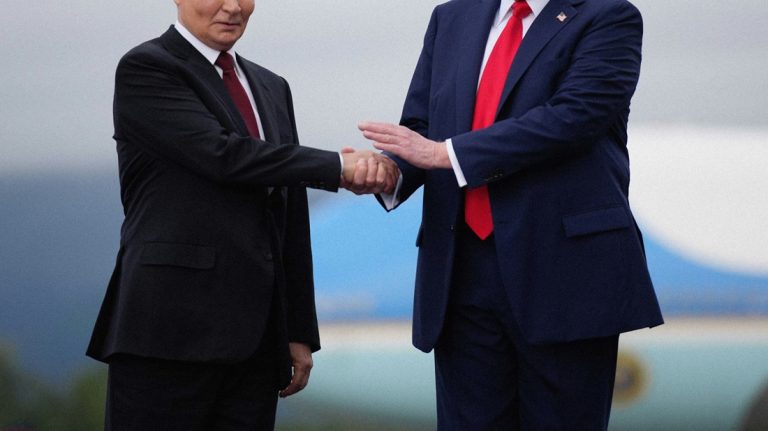
With average American diesel prices surpassing six dollars per gallon just three weeks before the November midterm elections, the White House has abruptly dismantled its own energy sanctions against Moscow. Following a ninety minute birthday phone call with Russian President Vladimir Putin on October 9, President Donald Trump announced an agreement to import millions of barrels of Russian fuel into the United States. While the ongoing war with Iran and tanker disruptions in the Strait of Hormuz drove the global energy spike, the administration has instead chosen to blame Kyiv for the domestic price shock.
Under the new arrangement, the Treasury Department suspended energy restrictions through April to allow an initial shipment of roughly 2.25 million barrels of Russian diesel, with millions more scheduled for November. That executive waiver directly undercuts the bipartisan Russian sanctions legislation named after the late Senator Lindsey Graham, which the president signed into law only weeks ago. A coalition of lawmakers from both parties, including Republican Senators Lisa Murkowski, Susan Collins, Thom Tillis, and John Curtis, warned that purchasing Russian fuel violates the 2022 statutory ban and hands the Kremlin a vital financial lifeline. Because the United States consumes roughly 3.6 million barrels of diesel every single day, energy economists note that the Russian shipments will barely register at American truck stops while delivering a major political and financial victory to Moscow.
Targeting Ukrainian Refineries Instead of Moscow
Rather than holding Tehran or Moscow accountable for energy market turmoil, administration officials have focused their anger on Ukrainian drone strikes against Russian oil infrastructure. Over the past year, Ukrainian forces have struck Russian petroleum facilities more than 300 times, triggering domestic fuel rationing across Russia and prompting Moscow to ban diesel exports. Although Ukrainian President Volodymyr Zelensky offered to halt attacks on Russian refineries if the Kremlin stopped bombarding Ukrainian power grids, White House envoys Steve Witkoff and Jared Kushner rejected the mutual arrangement and demanded that Kyiv stand down unilaterally.
When Zelensky refused to halt the refinery campaign without reciprocal guarantees, the administration escalated its coercion. White House advisers have threatened to block European allies from purchasing American weapons for Kyiv and suggested cutting off vital military intelligence sharing. Over the weekend, Trump unilaterally declared on social media that both warring nations had agreed to an energy truce, a claim that collapsed within hours as Russian missiles and new jet powered drones battered a major power plant in Kharkiv. Critics in Congress argued that blaming Ukraine for high fuel costs merely deflects public anger away from the administration and its costly military entanglement in Iran.
Commercial Deals and the Miami Summit
Behind the immediate panic over midterm fuel prices lies a broader effort to rehabilitate Putin on the global stage and unlock commercial ventures with Moscow. Despite the International Criminal Court indictment against the Russian leader and intelligence reports confirming that Moscow provided targeting data to help Iran strike American military assets, Trump has steadily worked to end Russian diplomatic isolation. Having already hosted Putin in Alaska last year, the president recently overruled Republican objections by inviting him to attend the December G20 summit at his private golf resort in Doral, Florida.
Ukrainian officials increasingly recognize that prospective business deals between American investors and the Kremlin carry more weight in Washington than territorial sovereignty. With Trump openly calling for Ukraine to replace Zelensky through wartime elections and eyeing the December gathering in Miami as a stage to claim a Nobel Peace Prize, Kyiv faces its most perilous winter since the invasion began. If Washington follows through on threats to sever intelligence and weapons pipelines while refilling Russian state coffers with energy revenues, European allies may struggle to prevent a decisive Russian offensive in the spring.
Original analysis inspired by Jonathan Lemire and Simon Shuster from The Atlantic. Additional research and verification conducted through multiple sources.