
Trump’s Military Options Are Shrinking and Iran Knows It
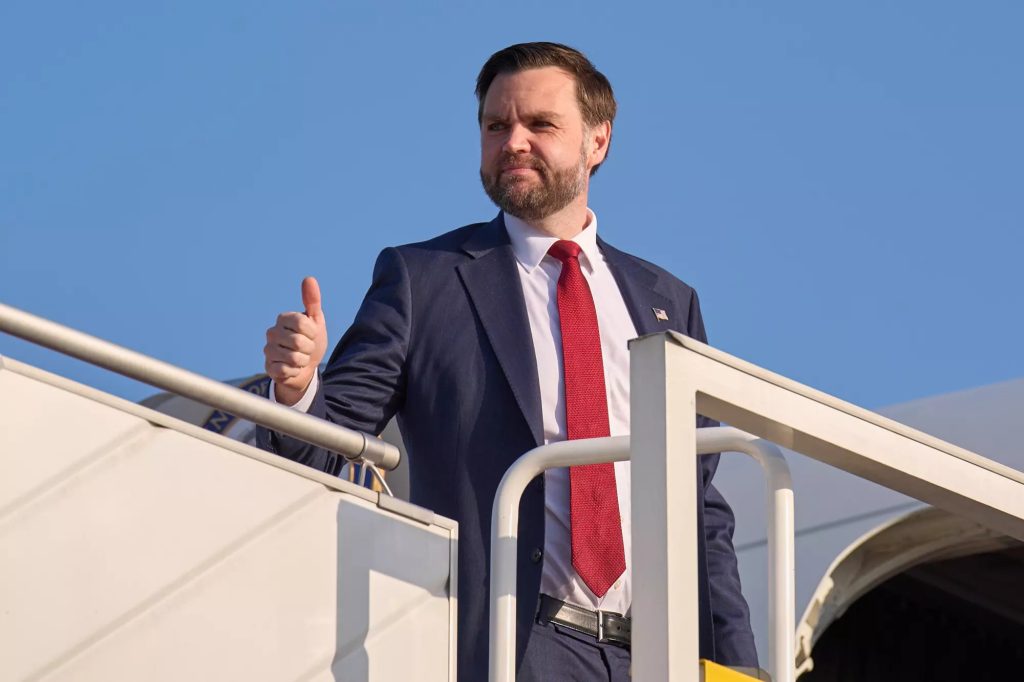
President Trump’s decision to impose a naval blockade on the Strait of Hormuz signals a transition to economic warfare as military options become increasingly unsustainable. Facing $2 billion in daily conflict costs and depleted missile stockpiles, Washington is struggling to maintain pressure while Iran leverages its geographic advantages and strategic patience.
Tactical Wins Fall Short in US-Israel Campaign Against Iran
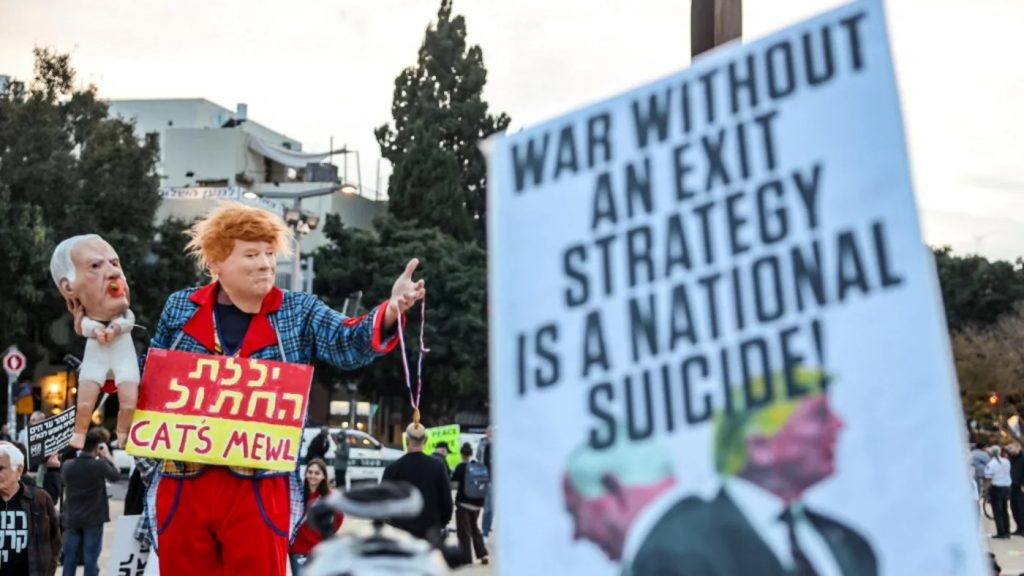
Despite significant damage to Iran’s infrastructure and leadership, the US-Israeli military campaign has struggled to achieve its broader political goals. Tehran’s survival and its strategic leverage over the Strait of Hormuz highlight the limitations of military force in securing a decisive regional realignment or regime change.
Islamabad Talks Reveal Iran-US Negotiation Deadlock
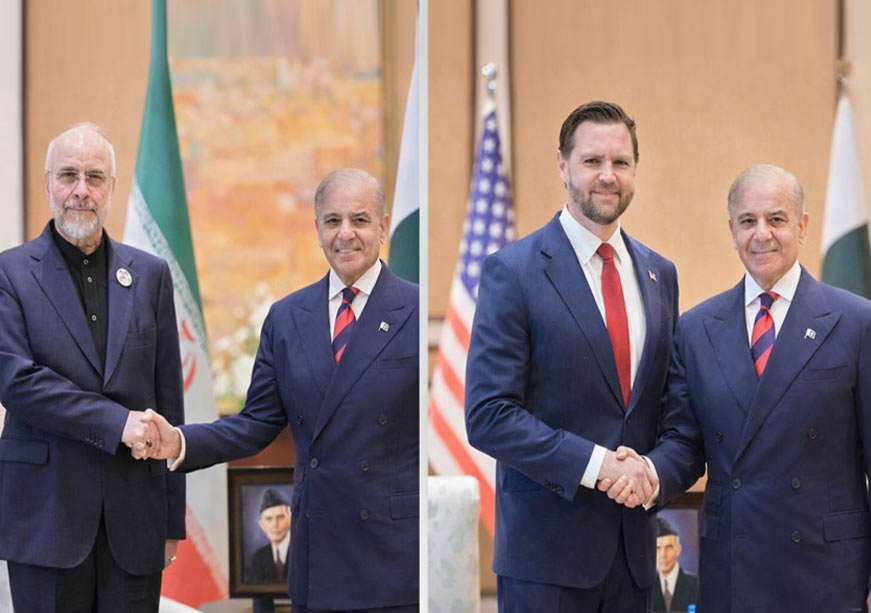
High-stakes negotiations in Islamabad between the US and Iran have concluded without an agreement. Despite a fragile ceasefire and intense mediation, core disputes over uranium enrichment, sanctions relief, and maritime control in the Strait of Hormuz continue to block the path toward a durable regional settlement.
Iran Embraces Prolonged Confrontation After Failed Talks
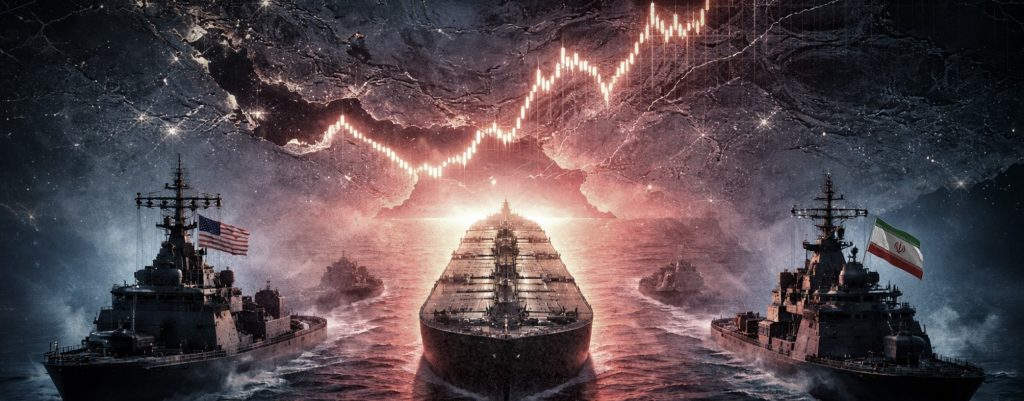
Following the failure of direct negotiations in Islamabad, Iran has embraced a strategy of prolonged confrontation. By leveraging its control over the Strait of Hormuz and betting on global energy sensitivity, Tehran aims to outlast US political cycles, turning the maritime chokepoint into a tool of strategic endurance.
China Becomes Asia’s Pivotal Energy Trader
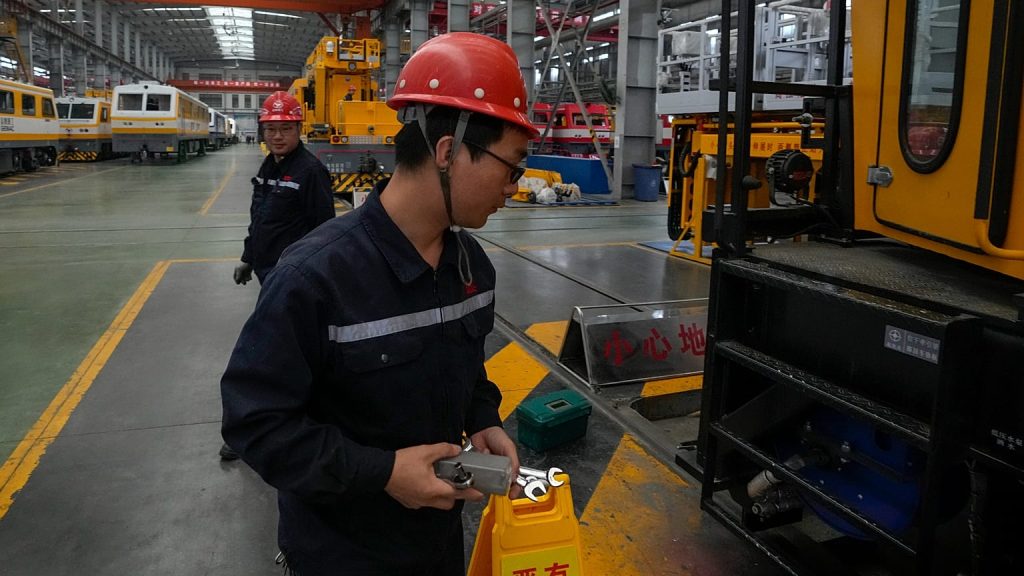
Leveraging its massive portfolio of LNG contracts and expanding overland pipelines from Russia and Central Asia, China has become a pivotal energy middleman in Asia. By redirecting surplus supplies to neighbors during maritime disruptions, Beijing is translating energy security into significant commercial profit and regional diplomatic influence.
Why the “Regime Change” Agenda for Iran is an Illusion
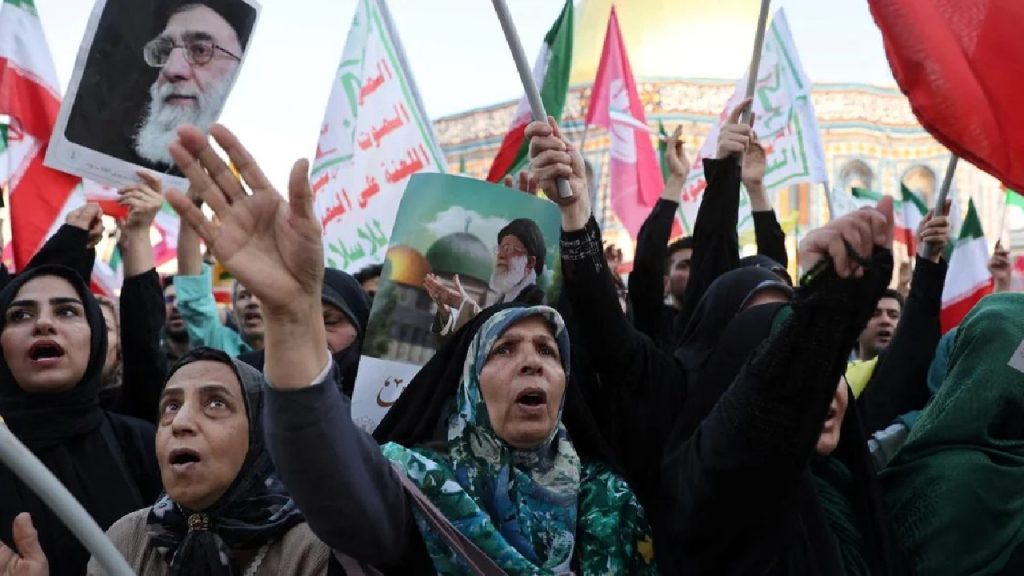
The policy of “regime change” in Iran is often viewed in Washington as a viable option, yet it ignores the deep-seated historical grievances, a complex multi-centric governing system, and a resilient social fabric. Unlike smaller states, Iran’s vast geography and grassroots paramilitary networks, rooted in its unique political-religious identity, make external imposition of power a strategic impossibility.
New Warfare Between Iran and Israel: Phosphorus, Precision Strikes, and the Narrative War in February–March 2026

The February–March 2026 war marks a turning point in modern conflict, where kinetic firepower meets a sophisticated narrative war. From the massive 900-strike opening wave to the controversial use of white phosphorus in Yohmor and AI-generated propaganda, this article explores how the Iran-Israel dyad has redefined hybrid warfare in a hyper-mediated, multi-domain environment.
India’s Israel Policy: Caught between Strategic Partnership and Strategic Hedging?
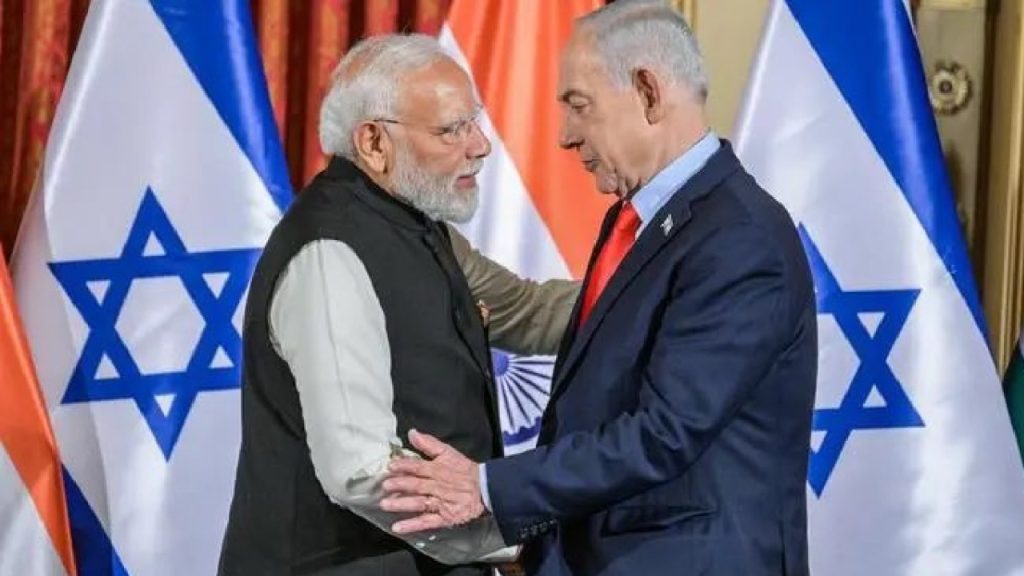
India’s foreign policy is undergoing a profound recalibration, moving from a traditional anti-colonial stance to a pragmatic “Special Strategic Partnership” with Israel. While New Delhi continues to balance its critical energy and diaspora interests in the Gulf and its strategic ties with Iran, the recent elevation of the Israel partnership signals a shift toward prioritizing defense modernization and high-tech cooperation in an increasingly multipolar Middle East.
Trump’s Path to Stabilizing US-Iran Ceasefire
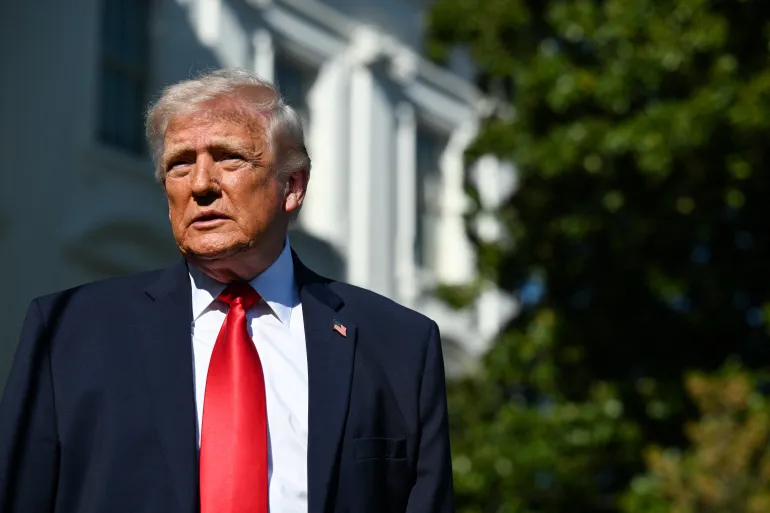
As the US-Iran ceasefire holds, the Trump administration faces a critical window to stabilize global energy markets and address domestic economic pressures. By prioritizing the reopening of the Strait of Hormuz and coordinating with regional allies, Washington seeks to convert recent military leverage into a durable strategic settlement before the upcoming midterm elections.
Trump’s Iran Moves Accelerate Shift in Global Power
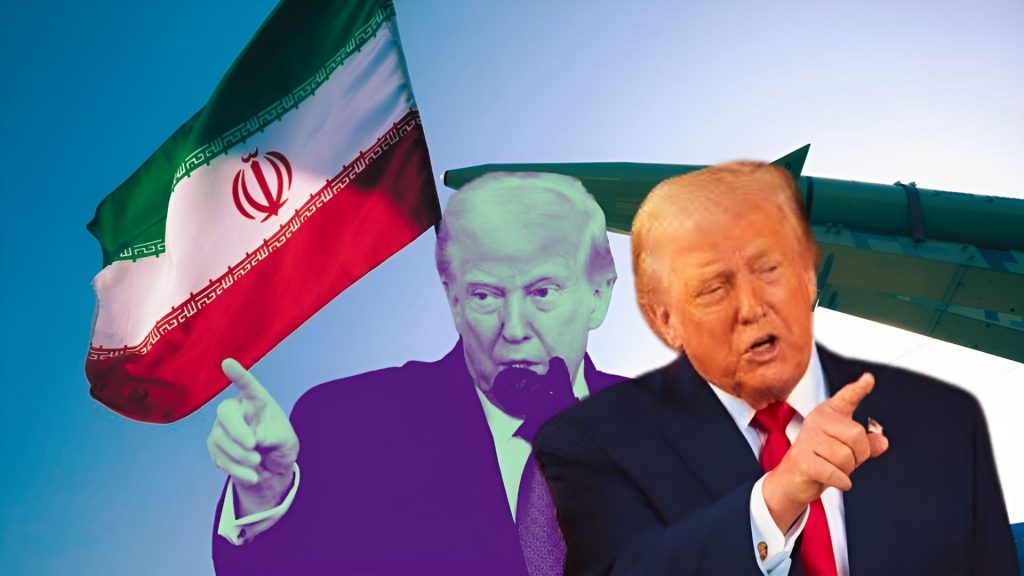
The recent US-Iran conflict has exposed the limitations of unilateral military pressure in a multipolar world. While a ceasefire holds, the rise of a new regional quartet—Turkey, Pakistan, Saudi Arabia, and Egypt—alongside China’s increasing diplomatic role, suggests a significant decline in traditional American dominance over Middle Eastern security dynamics.
To Lam Visit Deepens China-Vietnam Strategic Ties

Vietnamese President To Lam’s first overseas trip to Beijing signals a deepening strategic partnership with China. Facing global economic pressures, both nations are prioritizing high-level cooperation in trade, infrastructure, and renewable energy, aiming to balance regional stability with ambitious domestic modernization goals through 2026 and beyond.
South Caucasus Strengthens Role in Eurasian Trade Routes
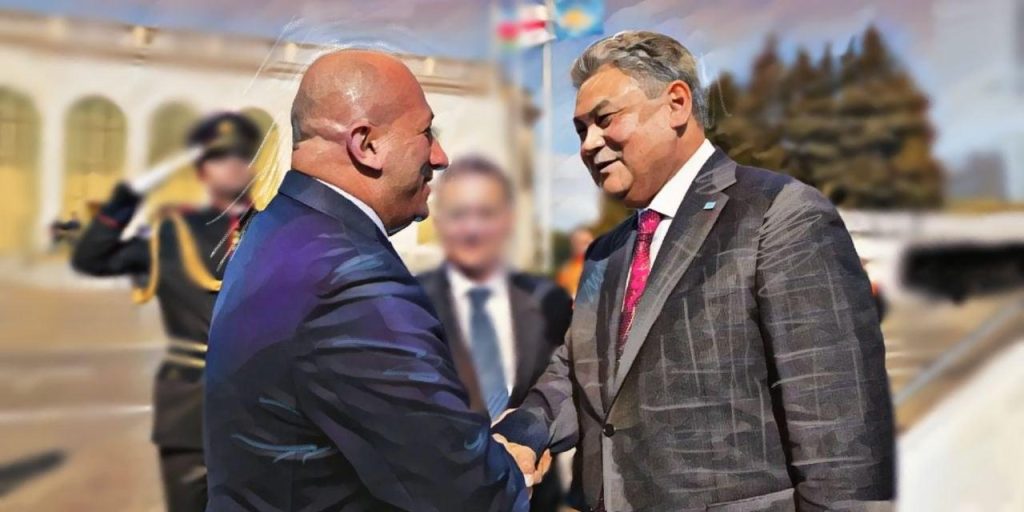
Kazakhstan and its South Caucasus partners are rapidly modernizing the Middle Corridor to create a resilient Eurasian trade artery. With significant investments in Georgia’s Poti terminal and digital coordination with Azerbaijan, transit times from China have dropped to 11 days, positioning the region as a strategic alternative to traditional northern routes.