
Orban’s Ouster Reshapes Hungary and Europe
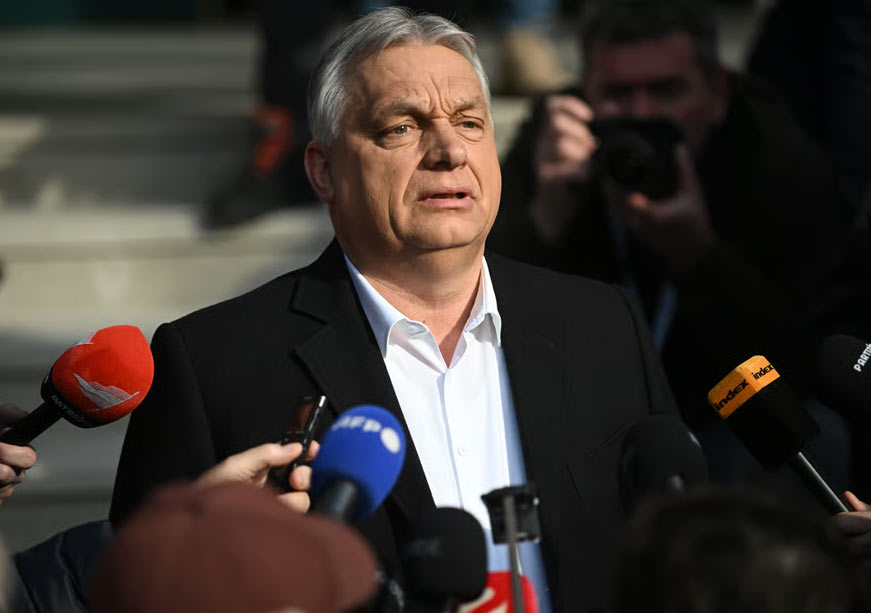
In a historic political upheaval, Hungarian voters have ended Viktor Orban’s long-standing grip on power, awarding Peter Magyar’s Tisza party a decisive supermajority. The result reflects deep-seated frustration with economic stagnation and corruption, potentially removing a major obstructionist voice within the EU and reshaping the landscape of European populism.
Türkiye’s Neutrality Tests Regional Balance After Iran Ceasefire
Türkiye has successfully navigated the recent Middle East conflict by maintaining a policy of “strategic flexibility.” While avoiding direct entanglement, Ankara has leveraged the disruption of traditional routes to boost its role as a key energy transit hub via the Kirkuk-Ceyhan pipeline, while positioning itself as a pragmatic mediator alongside the STEP quartet.
Gulf States Reassess Security After Iran Ceasefire
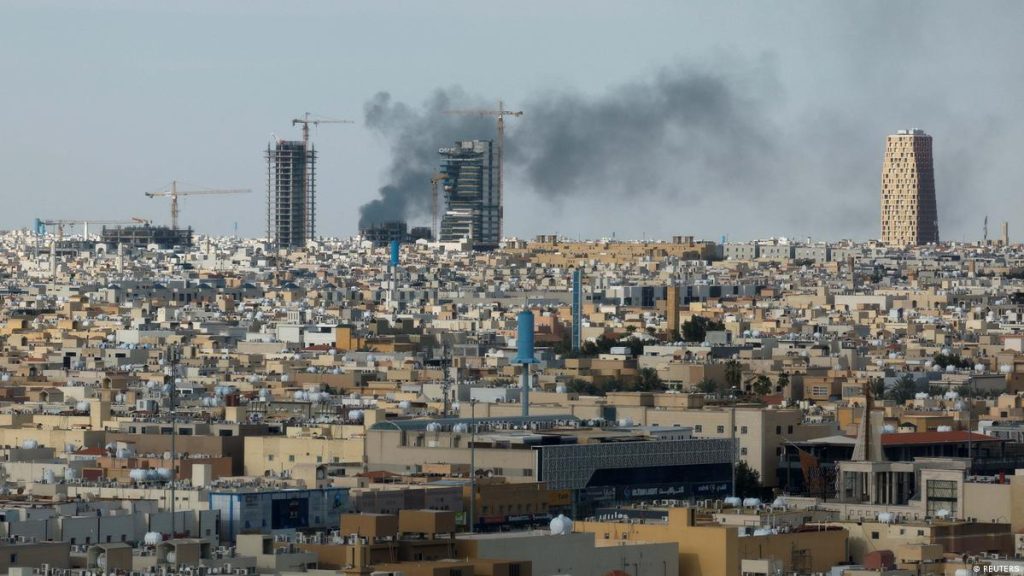
The recent US-Iran conflict has forced a major reassessment of security across the Gulf. Realizing that military strikes failed to eliminate Iran’s strategic leverage over maritime chokepoints, GCC nations are accelerating self-reliance in defense technology and expanding energy pipelines to bypass the Strait of Hormuz, while maintaining cautious diplomatic channels with Tehran
The US–Iran Peace Puzzle: Why Islamabad Didn’t Deliver
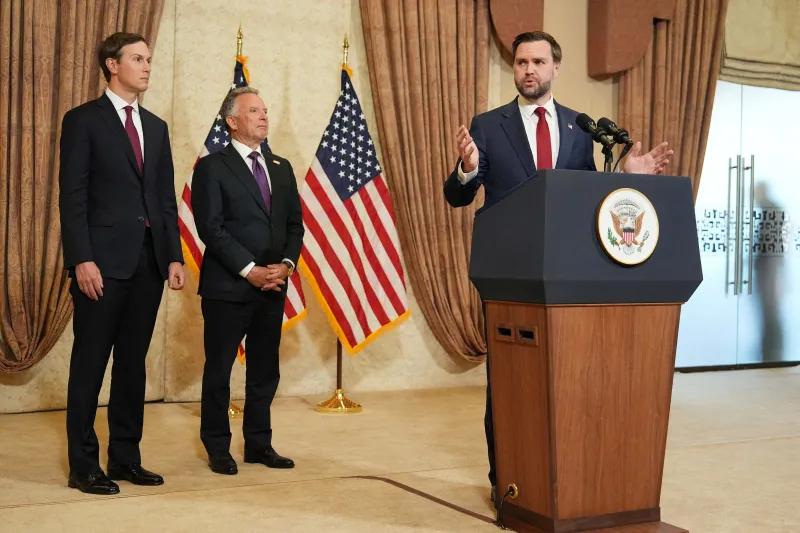
The collapse of the Islamabad talks has exposed the deep-seated mistrust and “maximalist” positions hindering a US-Iran peace deal. While a fragile ceasefire holds until April 22, the 15-year gap in nuclear enrichment proposals and the ongoing naval blockade of the Strait of Hormuz suggest that both nations are still far from a sustainable regional settlement.
Sudan’s War Enters Year Four: A Regional Crisis the World Keeps Ignoring
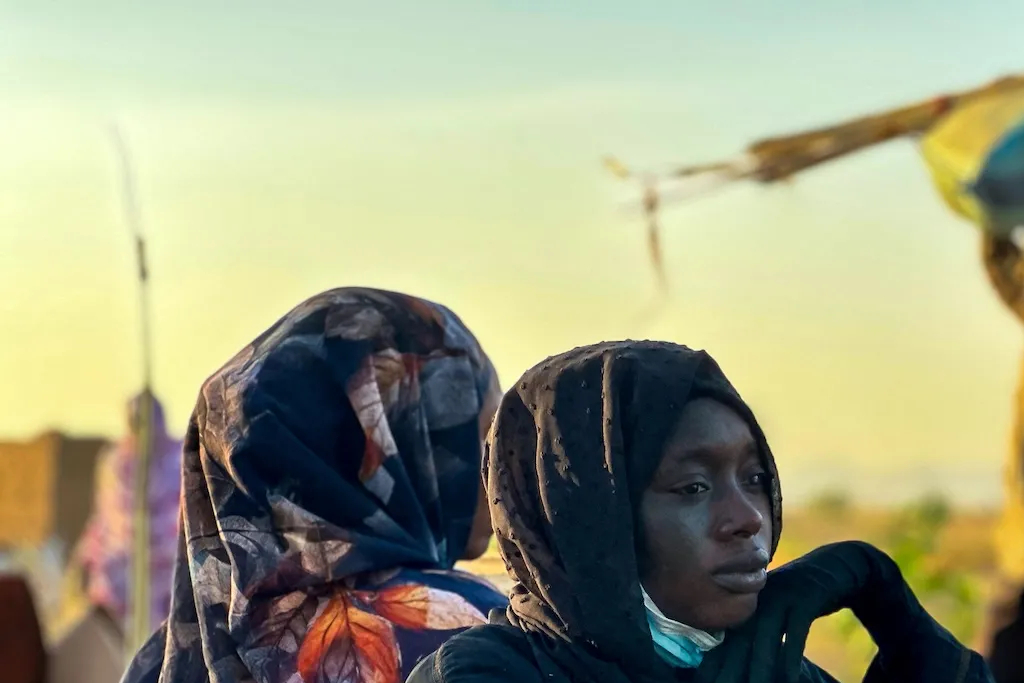
As Sudan’s devastating civil war enters its fourth year, the humanitarian catastrophe has reached industrial proportions, with 65% of the population requiring urgent aid. Despite international donor pledges in Berlin, the conflict remains deadlocked as external powers continue to fuel the violence, leaving Sudan on the brink of total collapse.
Strait of Hormuz: A Blockade Both Sides Can’t Afford to Lose
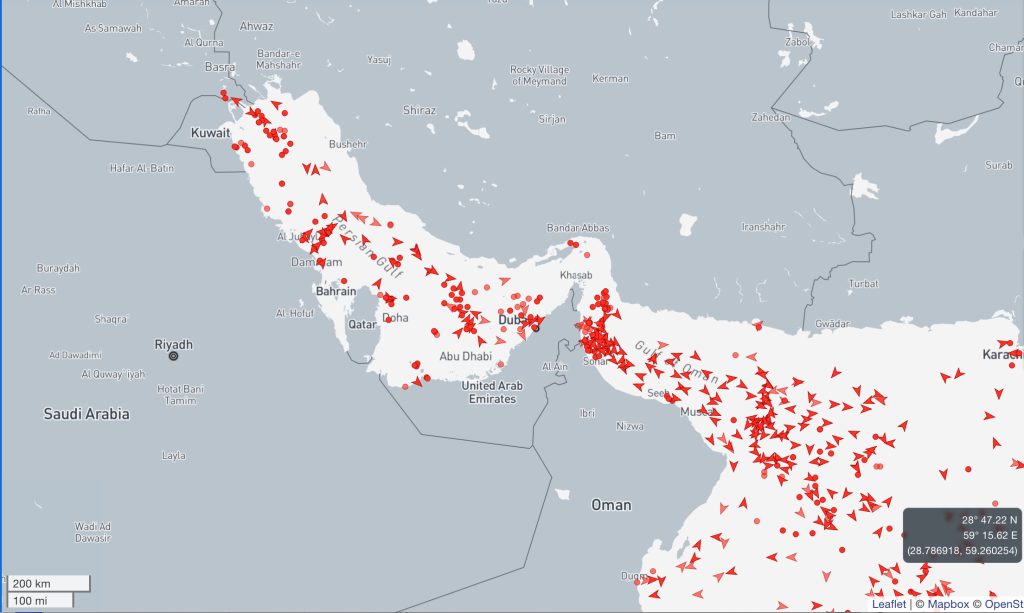
The U.S. naval blockade of Iran’s coast has turned the Strait of Hormuz into a high-stakes endurance test. While Iran faces critical oil storage limits and a crippled economy, Washington must navigate global energy shortages and domestic political pressure, making the next round of talks vital for regional stability.
Lebanon–Israel Talks: Historic Step, Uncertain Road
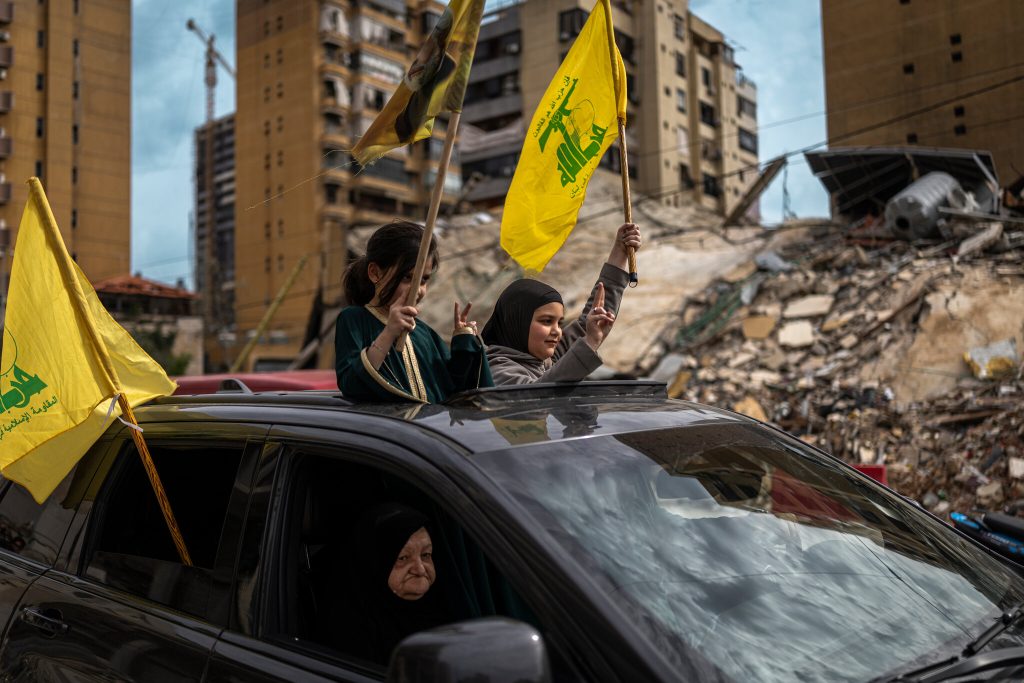
In a landmark diplomatic breakthrough hosted in Washington, Israeli and Lebanese officials engaged in their first direct negotiations in over 40 years. While a fragile 10-day cessation of hostilities has been established, the roadmap to a permanent peace faces significant hurdles, including the structural challenge of disarming Hezbollah and asserting Lebanese state sovereignty amid ongoing regional tensions.
Islamabad and the New Diplomacy: The Global South Steps Forward
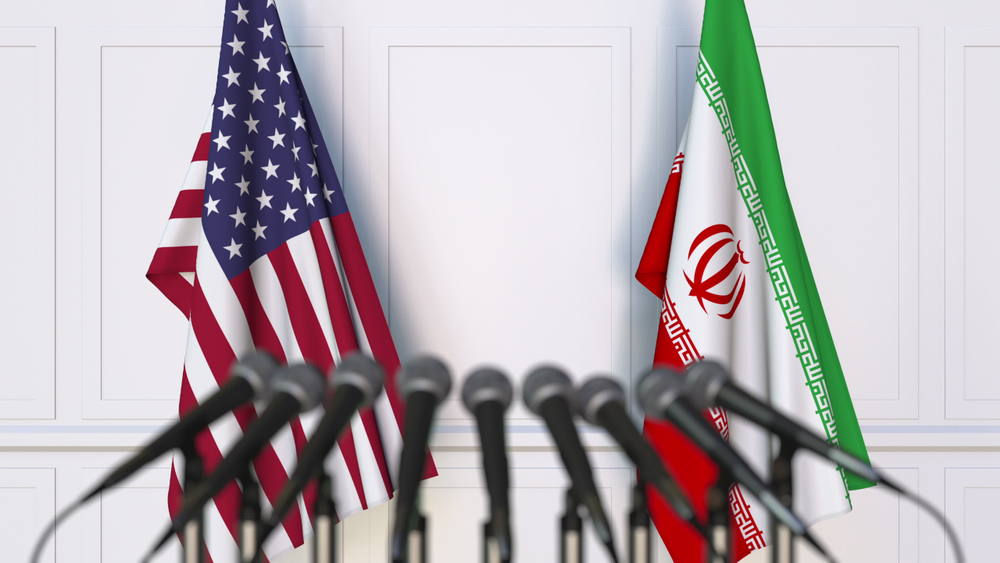
The recent talks in Islamabad mark a structural shift in global diplomacy, signaling the rise of the Global South as a primary architect of international security. As Western mediation falters, the “Islamabad Process” demonstrates how multi-aligned regional powers are now indispensable in resolving complex conflicts and shaping a multipolar world.
US Leverage in Hormuz Weakens Iran’s Position Long-Term
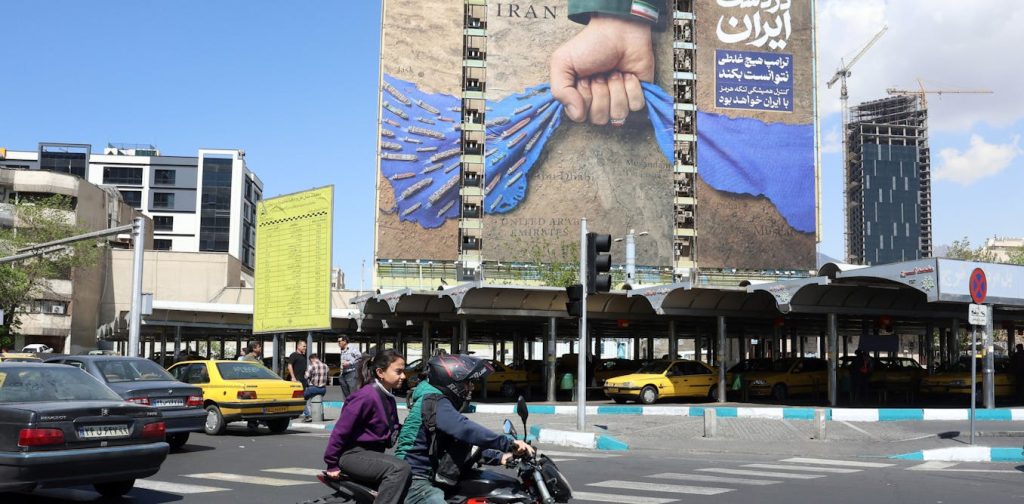
The strategic landscape of the Gulf is undergoing a permanent shift as the U.S. asserts maritime control over the Strait of Hormuz. With Saudi Arabia restoring its East-West pipeline to full capacity and regional powers investing in bypass routes, Iran’s traditional geographic leverage is weakening against a backdrop of massive domestic infrastructure damage.
The STEP Quartet: How Four Muslim Nations Are Reshaping the Middle East
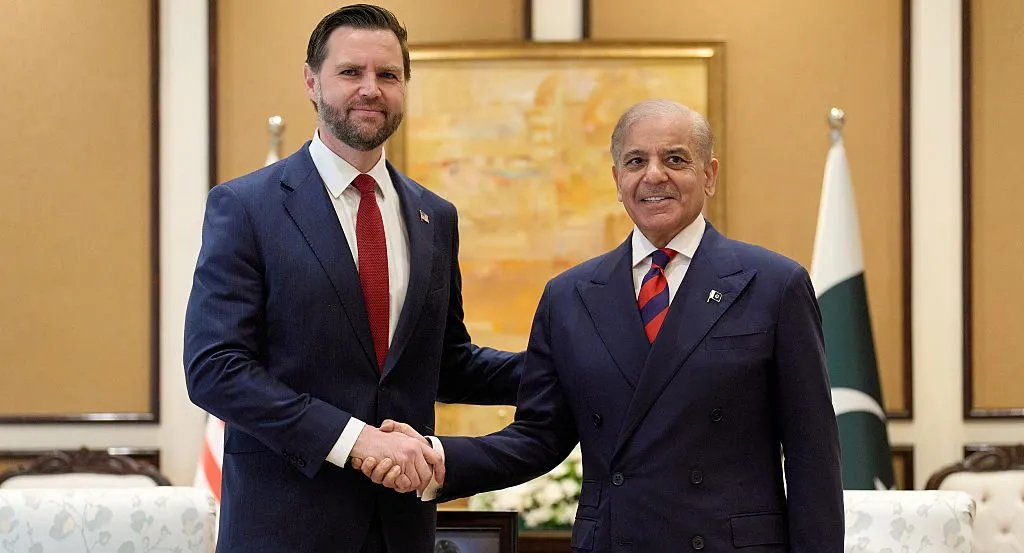
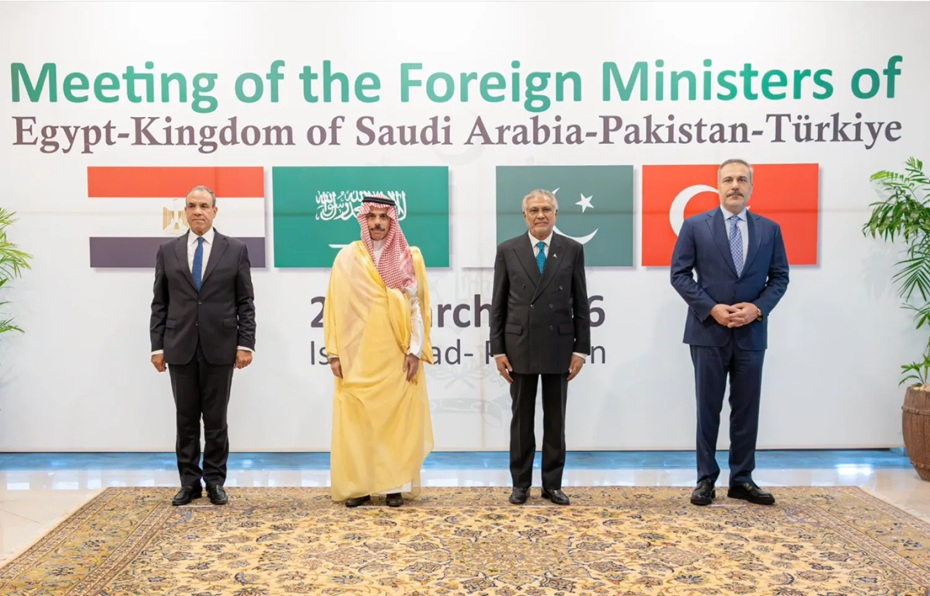
The emergence of the STEP quartet—Saudi Arabia, Turkey, Egypt, and Pakistan—marks a historic shift in Middle Eastern diplomacy. By brokering the Islamabad ceasefire, these four nations have positioned themselves as the primary mediators between Washington and Tehran, signaling a new regional order focused on strategic autonomy and collective security.
Iran’s Hormuz Leverage Reshapes Regional Power Balance
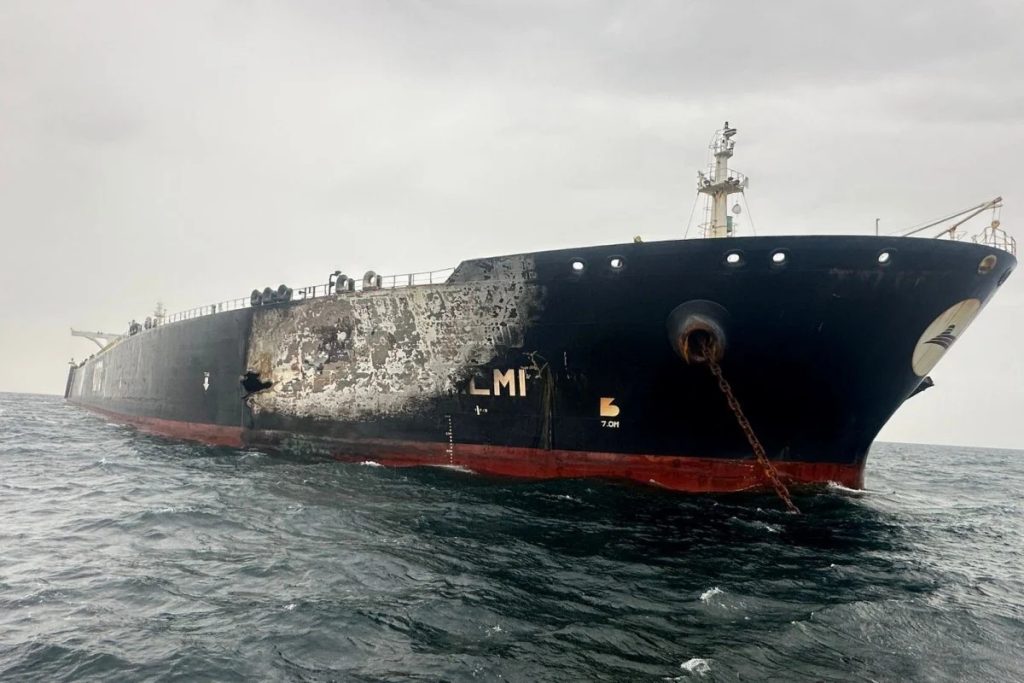
The strategic importance of the Strait of Hormuz has reached new heights in the wake of recent conflicts. By selectively managing one-fifth of the world’s oil supply, Iran has created a powerful economic lever that challenges conventional military dominance and forces global energy markets to recalibrate their long-term dependencies.
Iran Gains Edge in Online Battle Over US Conflict

A new digital frontline has emerged as Iran leverages AI-powered satire and viral content to challenge the U.S. narrative. While Washington’s messaging faces domestic criticism for its tone, Tehran’s creative use of humor and social media has effectively reached global audiences, highlighting the growing power of asymmetric information warfare.