
Sanctions Tool Faces Scrutiny Over Humanitarian Toll
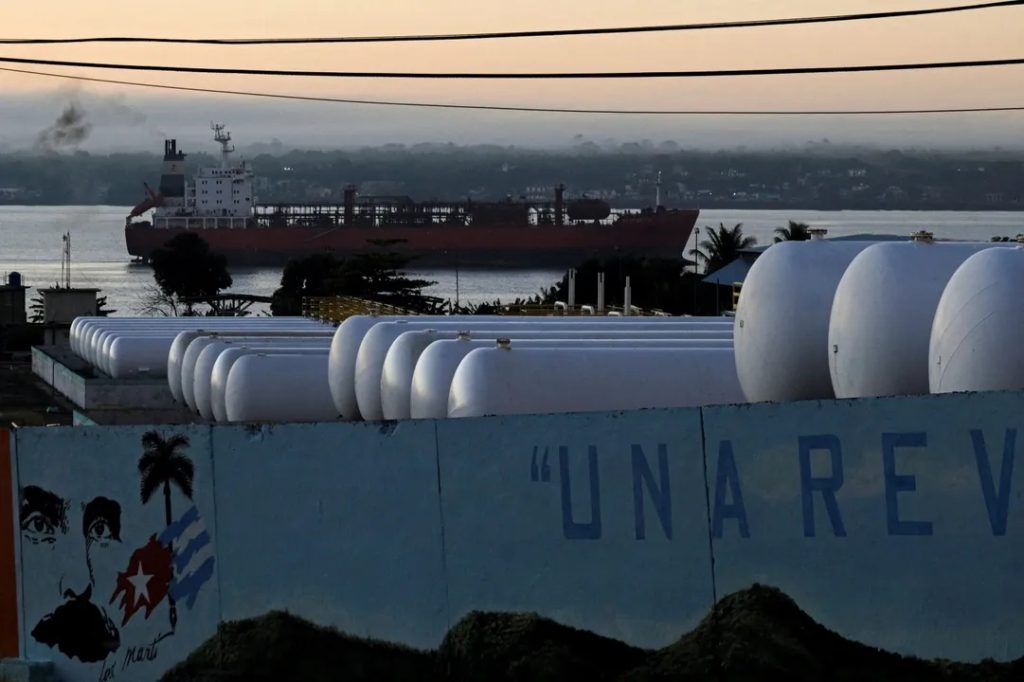
A recent study reveals that unilateral sanctions contribute to over 564,000 excess deaths annually, disproportionately affecting children. Cases in Cuba and Iran demonstrate that while economic pressure aims for political shifts, it often results in severe humanitarian crises, infrastructure failure, and limited strategic success in the long term.
Russia’s Influence Fades Across Central Asia
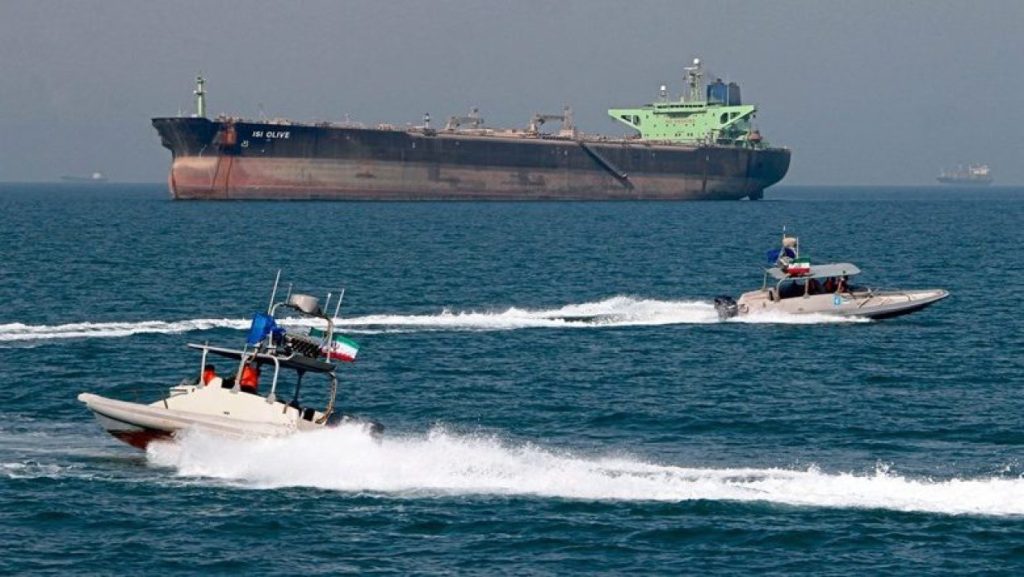
Moscow’s influence across Central Asia is steadily eroding due to the economic strains of war and sanctions. Regional powers are now diversifying their strategic partnerships, prioritizing the Middle Corridor and Chinese investment over traditional Russian ties to secure long-term infrastructure, energy reliability, and economic independence in a multipolar landscape.
Calling Iran “Animals” Didn’t Win the War, It Helped Lose It
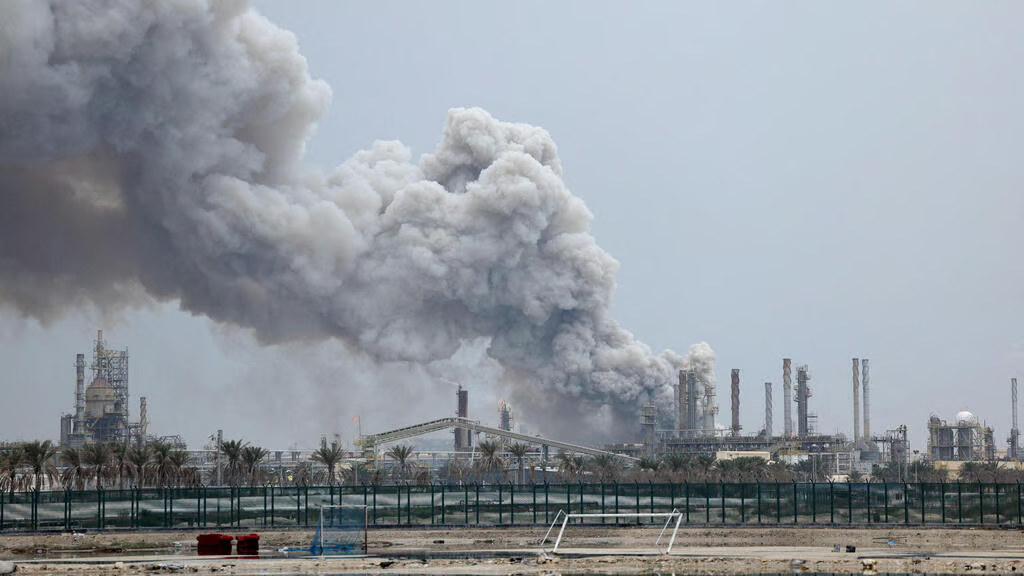
The recent conflict highlights how dehumanizing rhetoric and strategic contempt toward Iran resulted in significant military and intelligence failures. By dismissing the adversary’s scientific capacity and strategic depth, policymakers built a strategy on fiction, ultimately leading to a costly stalemate that failed to achieve its primary geopolitical objectives.
Spain, China, and the Europe That Washington Can No Longer Take for Granted
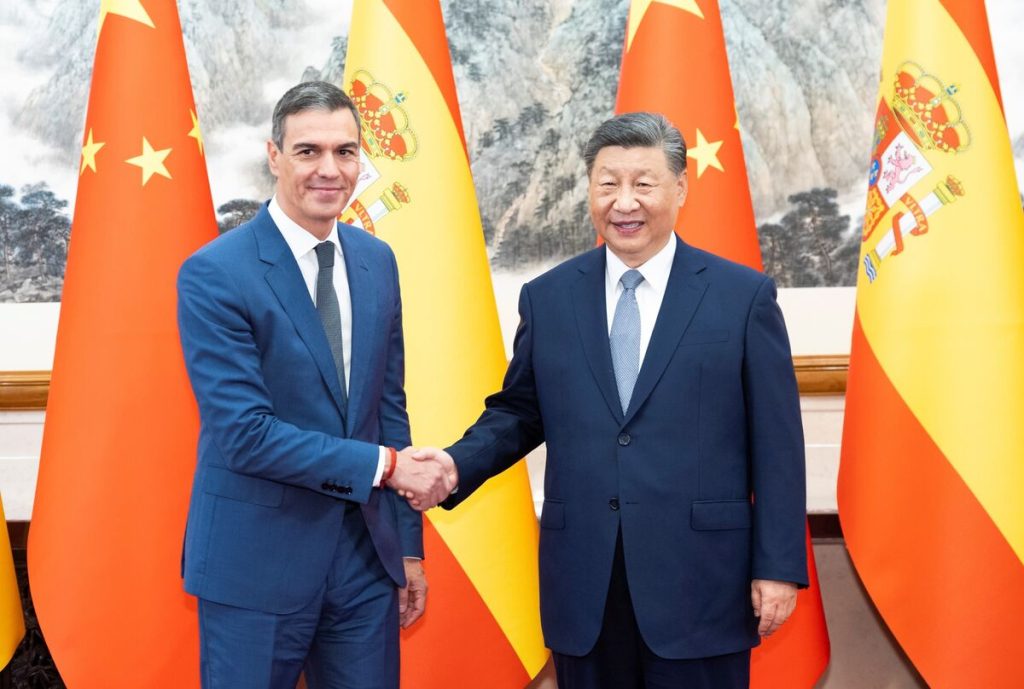
The deepening rift between Washington and Madrid has pushed Spain toward a landmark strategic alignment with China. Faced with U.S. threats of a total trade cutoff over the use of military bases, Prime Minister Sánchez has accelerated cooperation with Beijing in green energy and EV manufacturing. This shift represents a broader European trend: redefining “Western” loyalty in an era where strategic autonomy and energy security outweigh unilateral demands from the Oval Office.
The Ceasefire Is Signed, the Economic War Has Just Begun
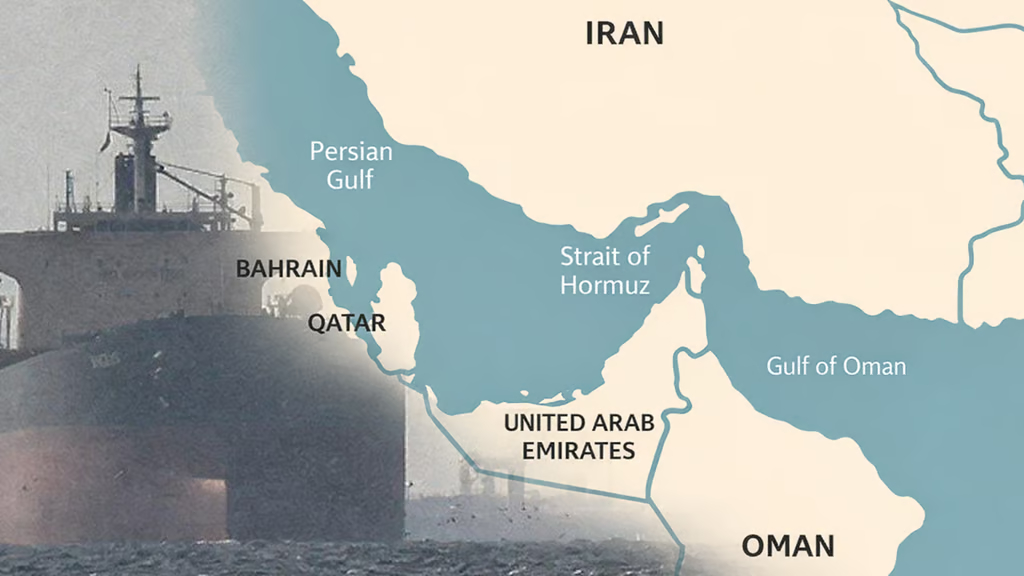
The 2026 Iran War has triggered the largest energy supply disruption in history, dwarfing the shocks of 1973 and 1979. While the kinetic exchange has paused, the Strait of Hormuz remains commercially unusable due to a “Tehran Toll” system and a collapse in maritime insurance. With damage to Qatar’s LNG facilities projected to take years to repair, the global economy faces a structural “war premium” that threatens to push major economies into recession and force central banks to keep interest rates elevated through 2026.
Turkey in Somalia: Partner, Protector or Something Else?
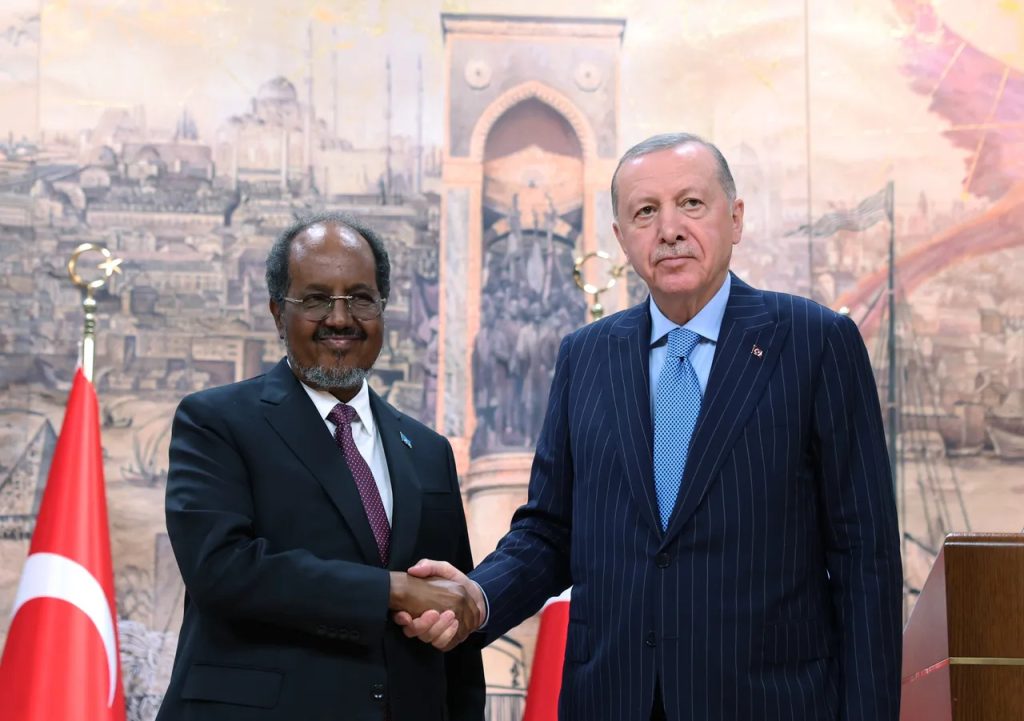
What began as a 2011 famine relief mission has evolved into Turkey’s most ambitious geopolitical project. With its largest overseas military base, a newly deployed F-16 wing, and the “SOMTURK” joint venture controlling maritime resources, Ankara has become Somalia’s indispensable security guarantor. However, as the UAE, China, and Israel (via its recognition of Somaliland) jostle for influence, questions of Somali sovereignty and the lopsided terms of hydrocarbon deals are beginning to spark domestic and regional friction.
Hungary Election Tests Orban’s Hold and European Unity
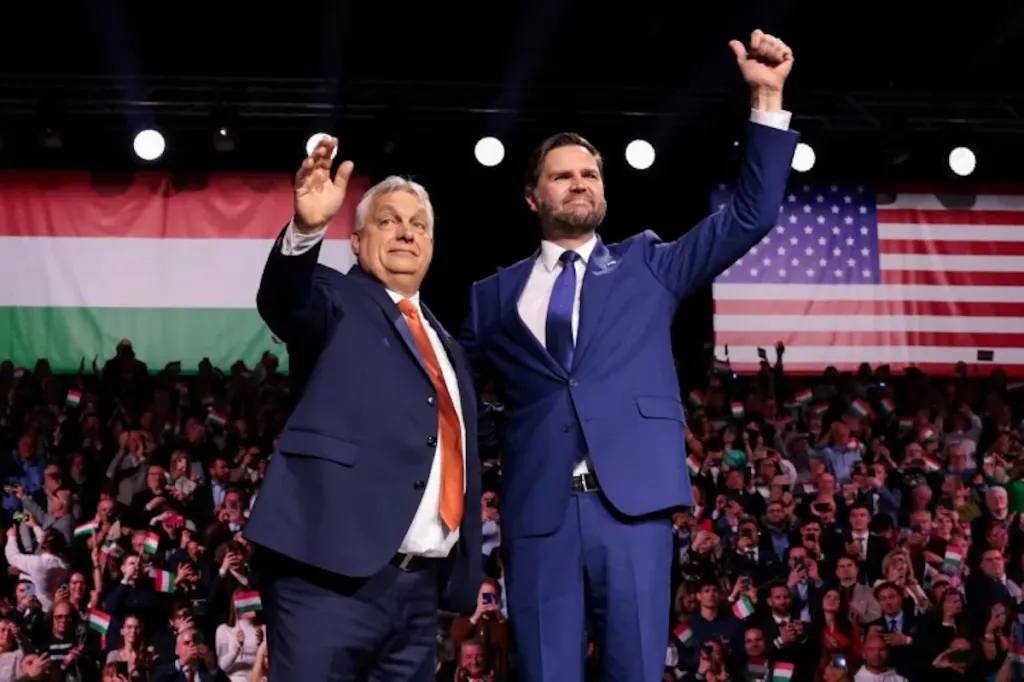
The Hungarian election has become a critical litmus test for European cohesion and the future of regional security. Prime Minister Viktor Orban, backed by a unique alignment of JD Vance and Vladimir Putin, faces his toughest challenge yet from Peter Magyar. The result will determine whether Budapest continues to leverage its veto power over Ukraine’s €90 billion loan or pivots toward a more cooperative, transparent role within the European Union.
Iran Ceasefire Holds as US and Tehran Eye Tough Talks
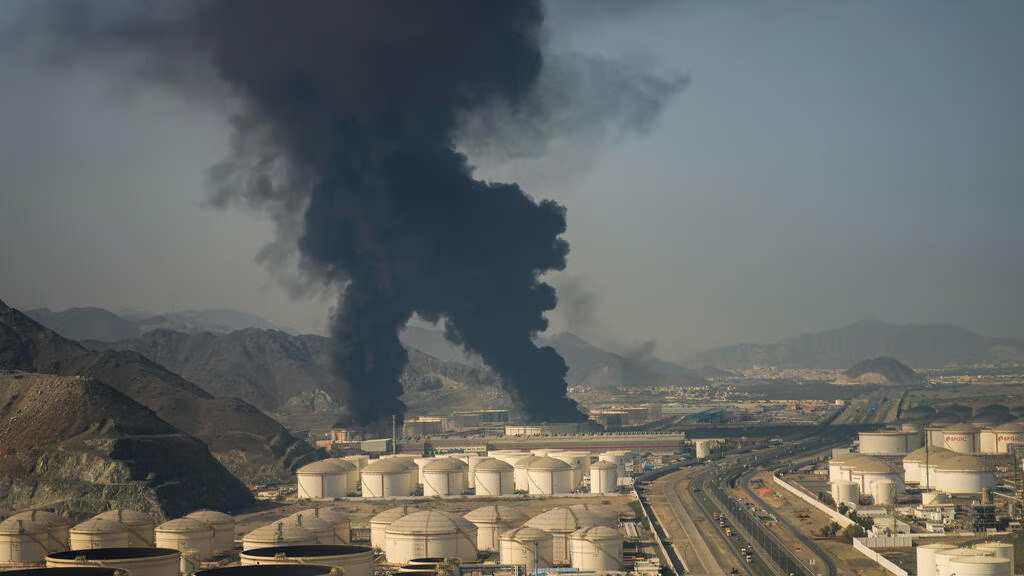
As the April 22 expiration date looms, the fragile US-Iran ceasefire faces its toughest test. Despite high-stakes negotiations in Islamabad, no “affirmative commitment” has been reached on nuclear limits or sanctions relief. With the Strait of Hormuz still effectively restricted and Israel’s intensifying ground campaign in Lebanon, the region remains trapped in a volatile limbo between a stopgap truce and the threat of a full naval blockade.
Pakistan Brokered the Iran Ceasefire and the Islamabad Talks Just Collapsed
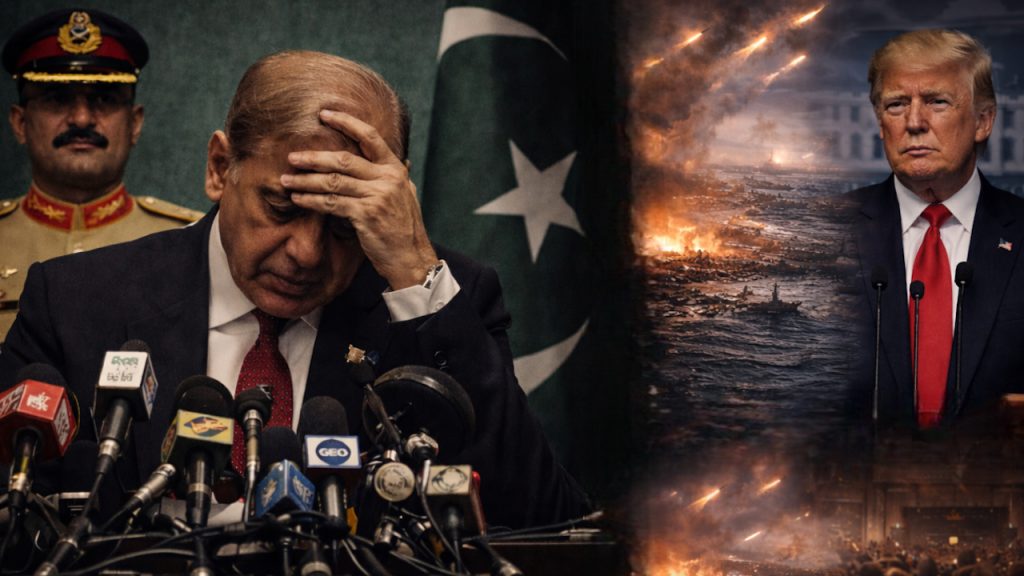
The high-stakes Islamabad talks have ended without a breakthrough, leaving the fragile US-Iran ceasefire in structural limbo. Led by Vice President JD Vance and Iranian Speaker Ghalibaf, the 21-hour session marked the first direct diplomatic engagement between the two nations in over a decade. While Pakistan successfully facilitated a “Hormuz Passage” trial for supertankers, the insurmountable divide over nuclear commitments and sanctions relief highlights the immense challenge of turning a temporary pause into a lasting settlement.
What the Iran War Taught the Pentagon About Missiles
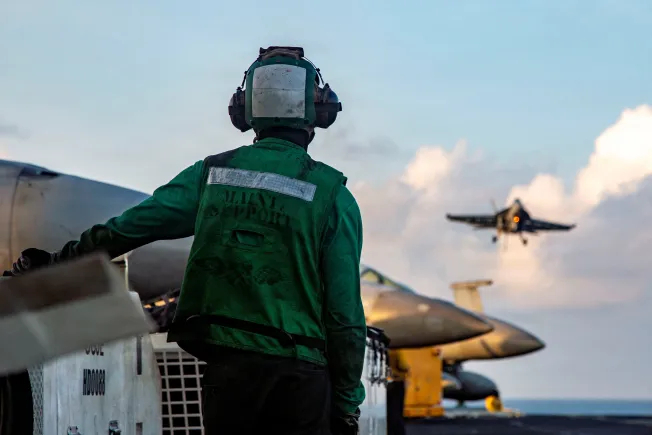
Operation Epic Fury has provided the Pentagon with a critical reality check on missile warfare. While interception rates in the Gulf reached an impressive 90%, the “magazine depth” crisis is now a strategic liability. With the U.S. depleting nearly 30% of its Tomahawk arsenal and 40% of its global THAAD inventory in just weeks, the conflict has exposed a dangerous replenishment gap that could compromise deterrence in the Indo-Pacific theater against more sophisticated hypersonic threats.
What Iran Teaches Its Children and Why Washington Never Listened
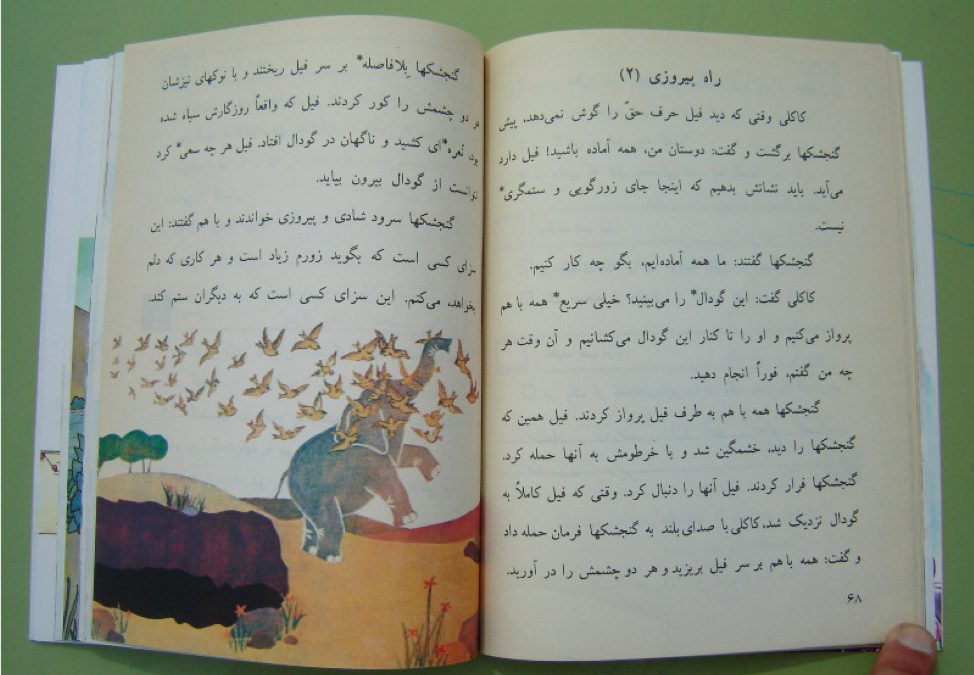
Understanding Iran’s wartime behavior requires looking at its classrooms, not just its missile silos. For decades, Iran’s national curriculum has fused Islamic values with ancient Persian resilience, teaching generations that collective resistance against a “superior elephant” is the only moral response. Washington’s failure to grasp this cultural foundation explains why 40 days of strikes have consolidated national identity instead of fracturing it, as the “sparrow vs. crocodile” mindset remains the heart of Tehran’s asymmetric doctrine.
The Islamabad Talks Begin But the Ceasefire Is Already Cracking
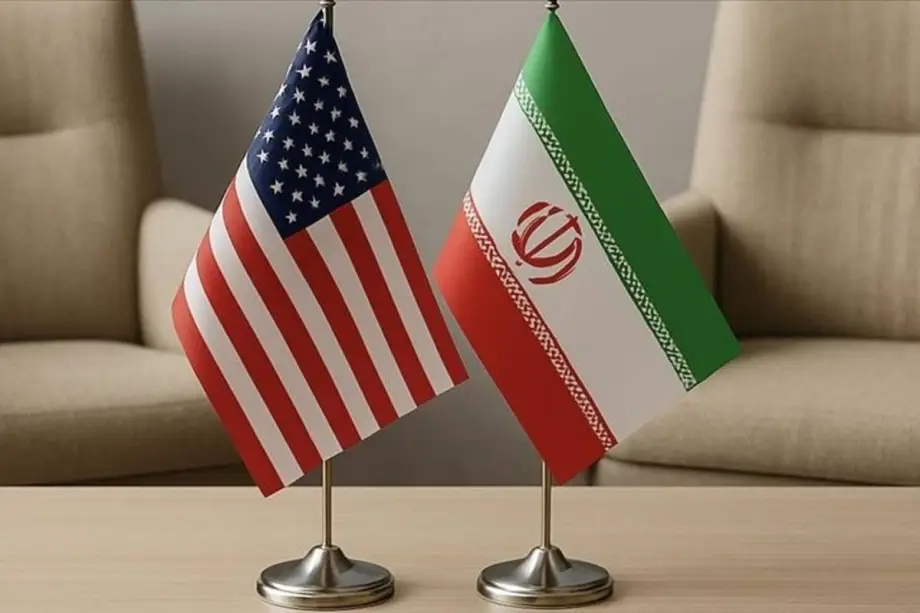
As delegations head to Islamabad, the US-Iran ceasefire is already on the verge of collapse. The fundamental “interpretive gap” between Tehran’s 10-point plan and Washington’s red lines, compounded by Israel’s refusal to include Lebanon in the truce, has turned the process into a high-stakes test of crisis management. History suggests that without structural reconciliation, this “negative peace” may only serve as a temporary reload for a wider confrontation.