The collapse of direct negotiations in Islamabad has pushed the US-Iran conflict into a more uncertain phase. What Washington viewed as an opportunity to translate military gains into political concessions has instead prompted Tehran to recalibrate toward a strategy of endurance. Iranian leaders now see the current standoff as the start of a drawn-out contest where time and global ripple effects may work in their favor.
The talks broke down over fundamentally incompatible positions. American negotiators pushed for strict curbs on Iran’s nuclear activities, reduced regional influence through proxy networks, and guaranteed safe passage for all shipping in the Strait of Hormuz. Tehran countered by insisting on preserving its enrichment capabilities, maintaining sovereignty over the vital waterway, and extending any ceasefire to cover Israeli operations in Lebanon. Neither side showed willingness to bridge these gaps, leaving the fragile April ceasefire vulnerable to renewed friction.
Hormuz emerges as active leverage
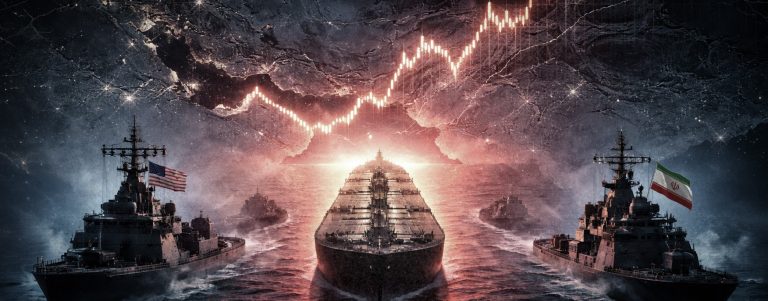
Iran has begun treating the Strait of Hormuz not merely as a geographic chokepoint but as a tool of strategic pressure. In recent days, Iranian naval forces issued pointed warnings to approaching US vessels, signaling that any perceived breach of the ceasefire terms would meet a forceful response. Officials have described the waterway as under “smart management” by Iran’s navy, with civilian traffic allowed only under specific conditions. Some analysts in Tehran have gone further, floating ideas of imposing transit fees on shipping as a potential revenue stream during periods of heightened tension.
This approach reflects a broader doctrinal shift. Rather than seeking quick diplomatic relief, Iranian decision-makers appear prepared to absorb economic costs while betting that sustained disruptions will generate wider pressure on Washington. Global energy markets remain sensitive to any instability in the Gulf, where roughly one-fifth of the world’s oil passes daily. Even limited interference could drive up prices, affecting consumers and political calculations far beyond the region.
The domestic mood inside Iran has hardened in ways that complicate compromise. Public sentiment increasingly views negotiations under duress as politically risky, with analysts noting that open discussion of concessions risks alienating key constituencies. This environment leaves Iranian leaders with less flexibility to offer major compromises without appearing weak at home.
Divergent clocks favor endurance
Timing now plays a central role in both sides’ calculations. The United States faces midterm elections later this year, where higher energy costs or prolonged military commitments could become political liabilities. Tehran, by contrast, calculates that it can manage internal strains more predictably than its adversaries can handle external fallout. Recent US threats of expanded naval blockades have been met with characterizations of American frustration rather than fear of escalation.
Israel’s continued strikes in Lebanon have further entrenched Iranian skepticism. While Washington sought to compartmentalize the conflict, Tehran has consistently framed it as inherently regional. The gap between these approaches made any limited deal in Islamabad unlikely from the outset.
For now, the ceasefire holds, but underlying tensions persist. Demining operations in the Strait and ongoing proxy frictions suggest that low-level incidents could quickly escalate. Both capitals recognize the high costs of full resumption, yet neither has demonstrated the flexibility needed for a breakthrough.
The coming period will test whether Iran’s long-war approach can convert geographic advantages and strategic patience into tangible leverage. For the United States, the challenge lies in applying pressure without triggering broader economic or political backlash that undermines its own objectives. In a region long accustomed to cycles of crisis, this latest phase highlights how mismatched expectations continue to shape outcomes more than battlefield results alone.
Original analysis inspired by Peiman Salehi from The Cradle. Additional research and verification conducted through multiple sources.