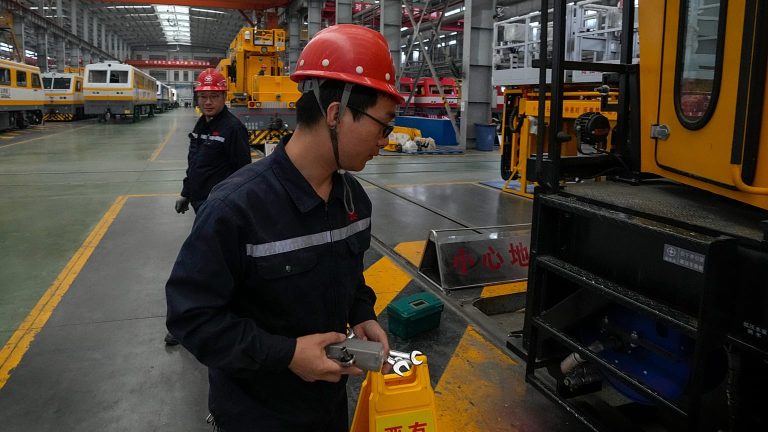
Recent disruptions in the Middle East have thrust China into an unexpected spotlight as a reliable energy provider for its neighbors. When attacks and blockades affected key shipping routes earlier this year, nations from South Korea to the Philippines suddenly faced shortages of fuel and gas. Beijing responded by redirecting cargoes and drawing on its diverse supply sources, revealing a carefully constructed system that now allows it to act as the region’s flexible energy broker during times of stress.
This role builds on more than a decade of deliberate moves. Chinese companies have locked in long-term contracts for liquefied natural gas from suppliers around the world while steadily expanding overland pipelines from Russia and Central Asia. These land routes provide a buffer against maritime risks, delivering steady volumes that insulated domestic needs when sea traffic faltered. At the same time, domestic production of natural gas has climbed sharply, reaching new highs through shale and unconventional sources in provinces like Sichuan.
Pipelines create strategic depth
Russian deliveries through the Power of Siberia pipeline hit record levels last year, exceeding initial targets. Additional lines under development, including routes through Mongolia and Central Asia, promise even greater capacity in coming years. Turkmenistan already sends substantial volumes annually, and new projects aim to add tens of billions of cubic meters. These connections give China options unavailable to most Asian importers, who remain tied to vulnerable sea lanes.
The flexibility extends to global markets. Chinese buyers hold massive portfolios of LNG contracts, many with the ability to redirect shipments. In the first quarter of 2026 alone, firms resold a record 19 cargoes, sending 10 to South Korea and five to Thailand as spot prices surged amid the turmoil. This arbitrage not only generates profits but also positions Beijing to ease shortages for partners when traditional supplies tighten.
Domestic gains free up surplus
Strong growth in local output and clean power sources has reduced China’s need for every imported molecule. Nuclear reactors under construction and in operation now total dozens of units, with plans to expand capacity dramatically. Renewables have also scaled rapidly, displacing some gas-fired generation. These advances, combined with pipeline imports, mean contracted LNG volumes often exceed immediate requirements, creating opportunities for resale.
The recent crisis demonstrated the value of this setup. While Japan and others scrambled as flows through the Strait of Hormuz faced risks, Chinese supplies kept moving over land. Selective releases of fuel and gas to affected neighbors highlighted a new form of influence, one based on commercial relationships rather than military presence. For smaller economies with limited storage, access to these redirected cargoes became critical for avoiding blackouts and economic disruption.
Yet this middleman status raises questions about long-term market dynamics. American LNG producers, poised to add significant export capacity, may find Chinese buyers redirecting cargoes to third markets, sometimes undercutting original pricing assumptions. Asian governments are now reassessing their exposure to chokepoints and weighing greater cooperation with Beijing on energy security.
The pattern points to a more interconnected but also more China-centric energy landscape in Asia. As global LNG supply expands in the years ahead, according to IEA forecasts, the ability to balance contracts, pipelines, and domestic resources will determine who holds sway during future shocks. For now, China’s layered approach has proven resilient, offering both commercial gains and diplomatic leverage across the region.
Original analysis inspired by Fyodor Dmitrenko from The National Interest. Additional research and verification conducted through multiple sources.