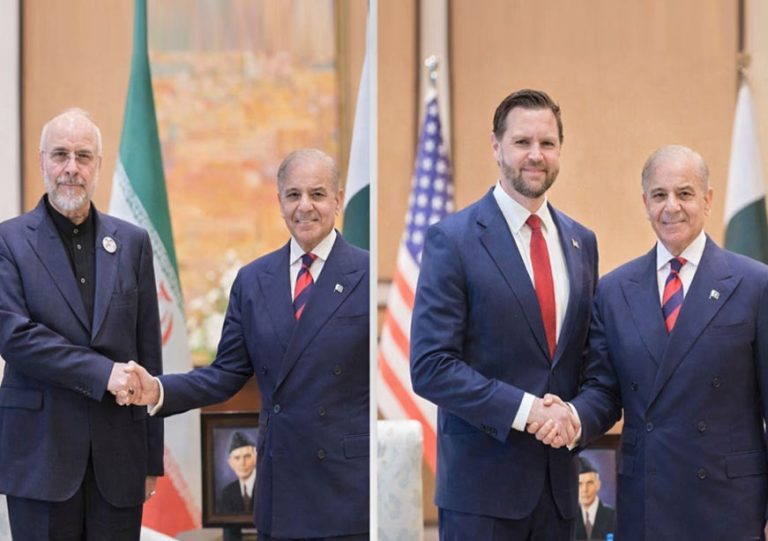
The high-stakes direct talks between the United States and Iran in Islamabad ended without agreement after more than 21 hours of intense negotiations. Vice President JD Vance, leading the American delegation, described the outcome as disappointing for Tehran while leaving the door open for future rounds. The failure comes despite a fragile ceasefire that has held since early April, underscoring deep structural obstacles that continue to block progress toward lasting stability in the Gulf.
Both sides arrived with ambitious positions that left little room for compromise. Iran presented a broad 10-point agenda that included demands for full American military withdrawal from the Middle East and formal recognition of its control over key waterways. Most of these points proved unrealistic given the current balance of power, though limited sanctions relief and access to frozen assets appeared more feasible if paired with meaningful Iranian concessions. The United States, for its part, insisted on stringent limits to Iran’s nuclear activities and an end to support for regional proxies, priorities sharpened by recent battlefield gains.
Nuclear issue remains core impasse
At the heart of the deadlock sits Iran’s uranium enrichment program. Washington pushed for a lengthy suspension—reportedly up to 20 years—while Tehran defended its right to enrich for civilian purposes and offered only a shorter pause. This gap reflects broader differences in approach: the US relies on military and economic leverage, whereas Iran frames the dispute as a matter of sovereignty, ideology, and regime survival. Even after weeks of fighting that weakened Iranian capabilities, these fundamental perspectives prevented a breakthrough.
Preconditions further complicated matters. Iran sought guarantees against renewed Israeli strikes on Lebanon and early release of overseas assets before committing to deeper talks. While American pressure helped pause some operations against Hezbollah, broader asset unfreezing proved too high a bar. Israeli interests, focused on degrading Iranian-backed threats, added another layer of complexity to aligning allied objectives with American goals.
A modest positive emerged from the sessions. Rhetoric shifted from outright hostility to mutual accusations, suggesting both capitals recognize the value of keeping channels open. Iranian officials hinted at readiness for another round, while the US left a final offer on the table. Yet practical challenges loom large. Iranian mines laid during the conflict have disrupted shipping, prompting US naval forces to begin demining operations in the Strait of Hormuz with destroyers and support assets. Restoring safe passage through this vital chokepoint will prove technically demanding and essential for stabilizing global energy markets.
The episode fits a pattern seen in other recent conflicts where initial expectations diverge sharply from battlefield realities. Restoring the pre-war status quo appears unlikely. Instead, the region faces the prospect of an uneasy peace marked by continued low-level tensions, proxy frictions, and periodic flare-ups. Pakistan’s mediation role highlighted the growing importance of third-party facilitators in an increasingly multipolar environment, though even skilled diplomacy could not bridge the gaps this time.
For the Trump administration, the outcome carries domestic weight as midterm elections approach. Higher energy prices from disrupted shipping and the $30 billion spent on operations have fueled public scrutiny. Sustained diplomatic efforts, combined with targeted pressure on Iranian networks, may still yield incremental gains on nuclear restraints and proxy activities. Yet without willingness from both sides to accept partial compromises, the cycle of confrontation risks repeating.
The coming weeks will test whether the ceasefire can endure long enough for renewed negotiations. With mined waters, lingering sanctions, and unresolved nuclear questions, the path to any durable arrangement remains narrow. An uneasy balance, rather than decisive victory for either side, may define the immediate future in the Gulf.
Original analysis inspired by Vivek Mishra from Observer Research Foundation. Additional research and verification conducted through multiple sources.