
China’s Governance Model as Global Export: Appeal, Strategy, and Limits

Beijing is aggressively positioning its state-led governance model as a viable alternative to liberal democracy. By targeting students and scholars from the Global South through expansive scholarship programs and the Belt and Road Initiative, China aims to shape global narratives on modernization while bypassing political resistance in the West.
Budanov’s Rise and the Kremlin’s Coup Narrative: What’s Real in Kyiv

The appointment of Kyrylo Budanov to head Ukraine’s Presidential Office has sparked Russian claims of an impending coup. However, the move is more likely a calculated effort by President Zelensky to neutralize a popular political rival and bolster his administration’s wartime credibility following high-level corruption scandals and domestic pressure.
Trump’s Transactional Shift in US-India Relations
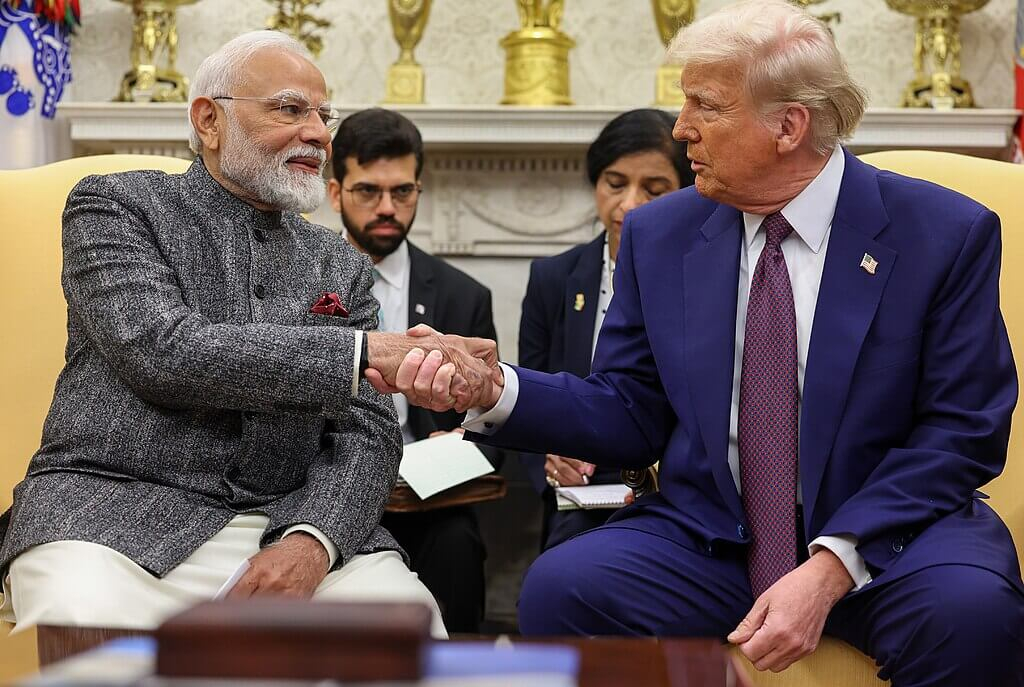
The US-India partnership is entering a pragmatic new phase characterized by a focus on tangible outcomes in trade, technology, and defense. While shared concerns regarding China’s influence sustain the alliance, the relationship now navigates a transactional landscape where immediate mutual benefits and market access take center stage.
Garbage Truck Incident Exposes Palestinian Desperation

The discovery of dozens of Palestinian men hiding in a garbage truck to cross into Israel for work has sparked international outrage. This incident serves as a stark symbol of the severe economic hardship and movement restrictions in the West Bank, forcing laborers to endure dehumanizing conditions to provide for their families.
Bennett-Lapid Alliance Challenges Netanyahu’s Grip

Naftali Bennett and Yair Lapid have merged their political forces into a new party, “Together,” to challenge Benjamin Netanyahu in Israel’s upcoming elections. Capitalizing on public frustration over the inconclusive Iran war and Netanyahu’s legal troubles, the alliance seeks to attract a broad coalition of centrist and right-wing voters.
US Lags in Era of Mass Drone Warfare
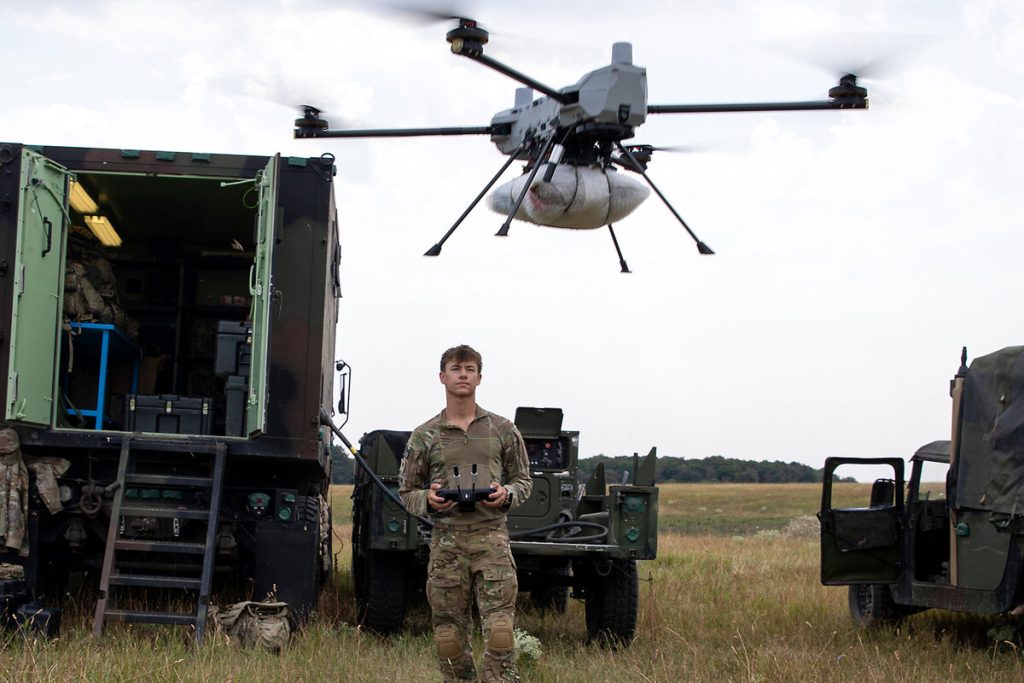
As cheap, mass-produced drones redefine modern attrition warfare, the United States faces a strategic mismatch. While adversaries exploit low-cost systems to overwhelm defenses, Washington is pivoting toward initiatives like “Replicator” to scale production, seeking to balance its technological edge with the sheer volume required for future conflicts.
US Sees Uptick in Left-Wing Political Violence
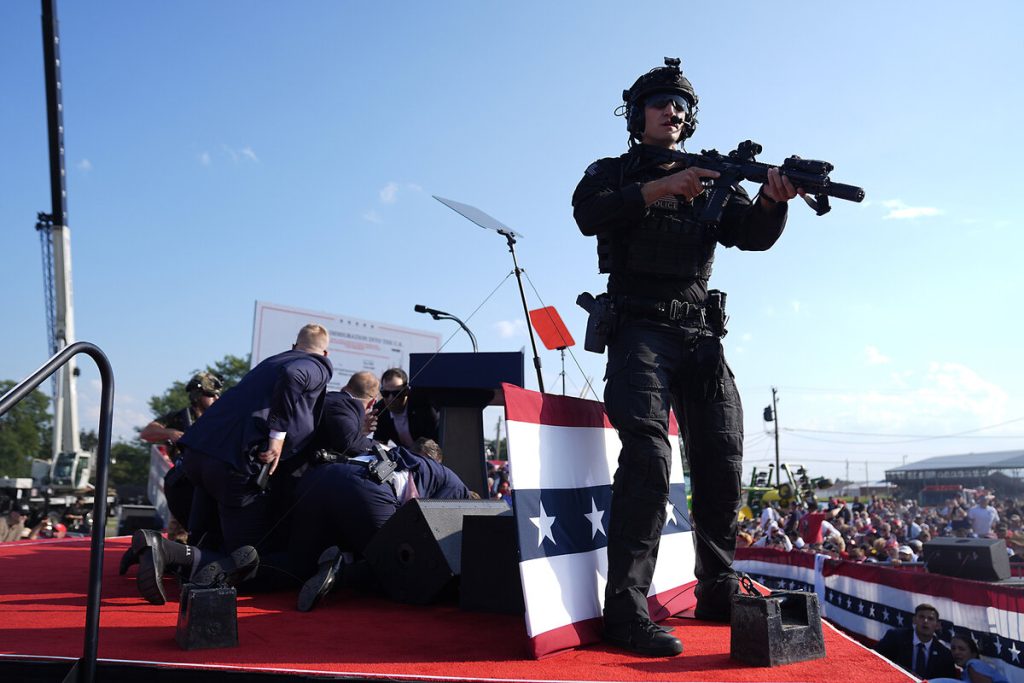
Recent high-profile attacks indicate a troubling uptick in left-wing political violence across the United States. Driven by deep societal polarization and digital radicalization, these incidents reflect a shifting extremist landscape where personal grievances blend with political rage, posing a significant challenge to democratic stability and public safety.
Hormuz Blockade Tests Iran’s Resilience and US Resolve
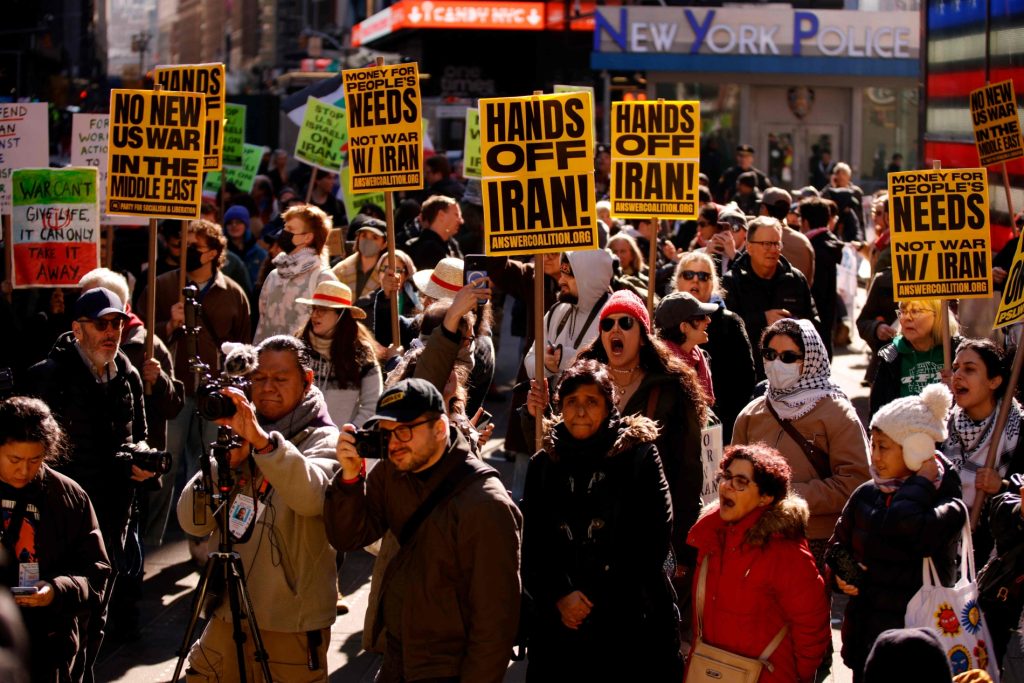
The ongoing U.S. naval blockade of Iranian ports has turned the Strait of Hormuz into a volatile arena. While Washington aims to squeeze Tehran’s economy to force nuclear concessions, Iran is leveraging its geographic control over global oil supplies, shifting the economic burden onto international markets and testing American endurance.
Zelensky’s Middle East Tour Tests Limits of Ukrainian Diplomacy

As Western fatigue sets in, President Zelensky has launched a high-stakes diplomatic campaign across the Middle East. Seeking to pivot from a dependent supplicant to a security provider, Kyiv is leveraging its frontline experience against Iranian drones to court Gulf investment. However, this report finds that regional powers—balancing their own ties with Moscow and Tehran—are unlikely to provide the transformative financial support Ukraine needs. In a multipolar world, pragmatism remains the only currency that counts.
The NPT’s Last Chance: Can New York Save Nuclear Diplomacy?
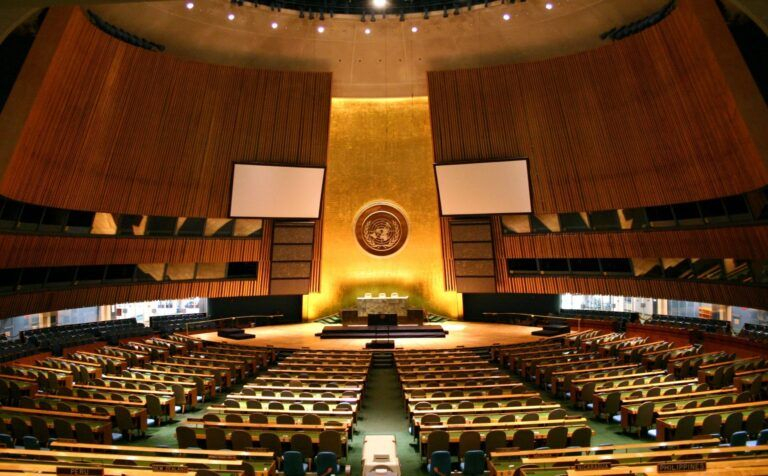
As the 2026 NPT Review Conference opens in New York, the global non-proliferation regime faces its most existential threat since the Cold War. Against a backdrop of active strikes on nuclear sites and the total collapse of U.S.-Russia arms control, diplomats must navigate a perfect storm of regional warfare and systemic mistrust. With Article VI commitments stalled and China’s arsenal surging to 600 warheads, the next four weeks will determine if the NPT remains a pillar of security or becomes a relic of a bypassed era.
Japan PM Advances Military Reform Amid Regional Threats
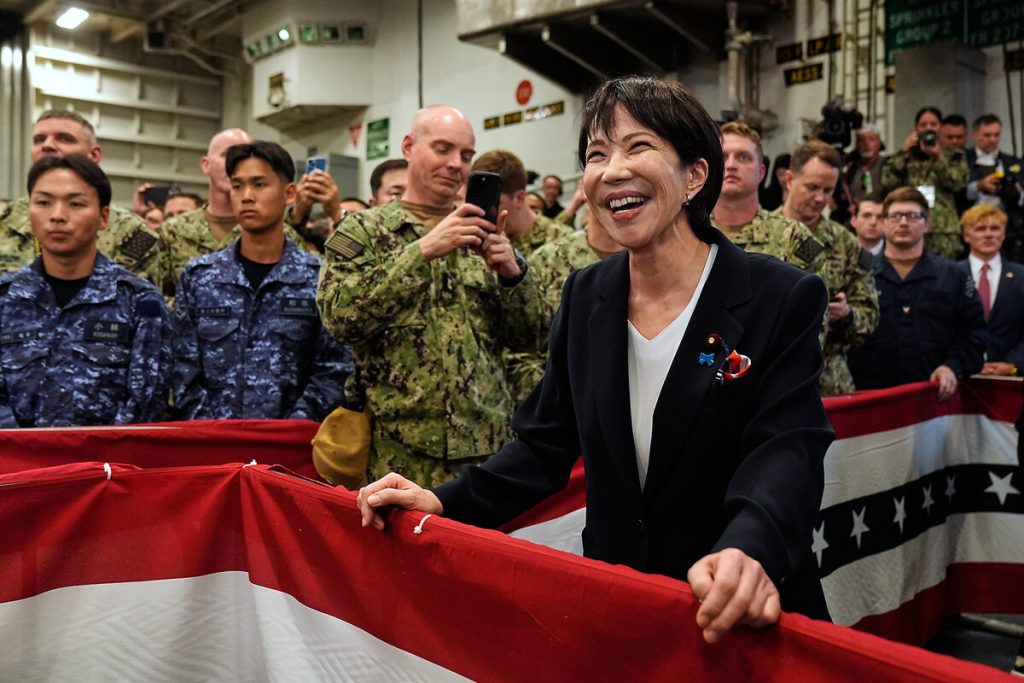
Prime Minister Sanae Takaichi is leading Japan through its most significant military transformation since World War II. Facing a nuclear North Korea and an assertive China, the Takaichi administration is pushing to revise Article 9 of the constitution to formally recognize the Self-Defense Forces. Combined with the recent landmark decision to ease military hardware exports, Japan is signaling its transition from a “shield” for U.S. interests to a proactive regional security provider.
China–Europe Science Ties: Genuine Partnership or Geopolitical Gamble?
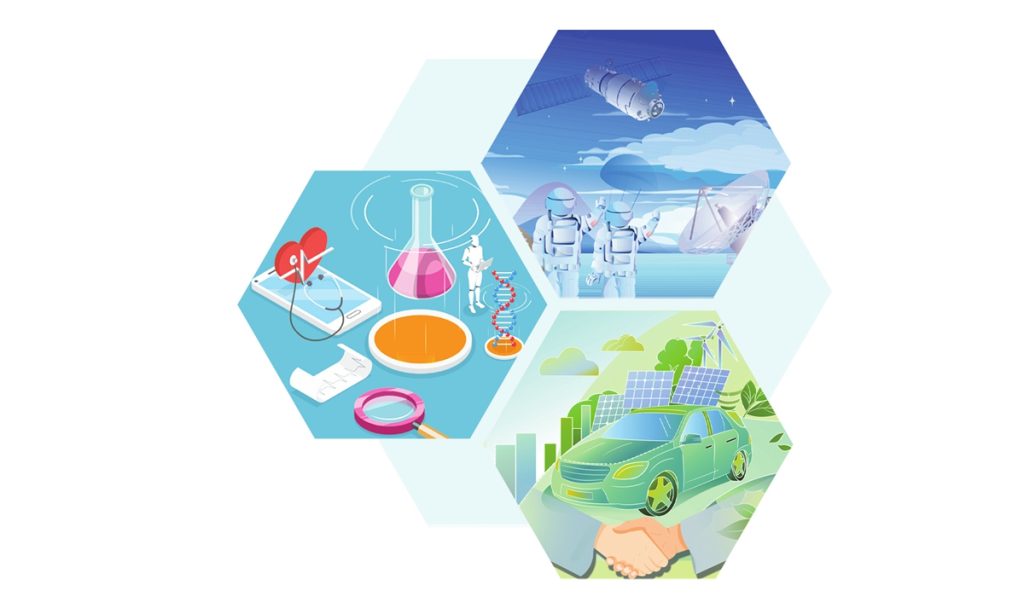
The gap between bilateral ambition and multilateral restriction has reached a breaking point in Europe’s science policy. While Spanish PM Pedro Sánchez champions open research with Beijing as a driver of innovation, the European Commission is moving to exclude Chinese entities from strategic fields like semiconductors and AI. As China’s R&D spending nears $723 billion, this report explores whether Europe can afford to de-risk without losing its edge in the global race for frontier technology.