
Chernobyl at 40: The Unthinkable Has Become Routine
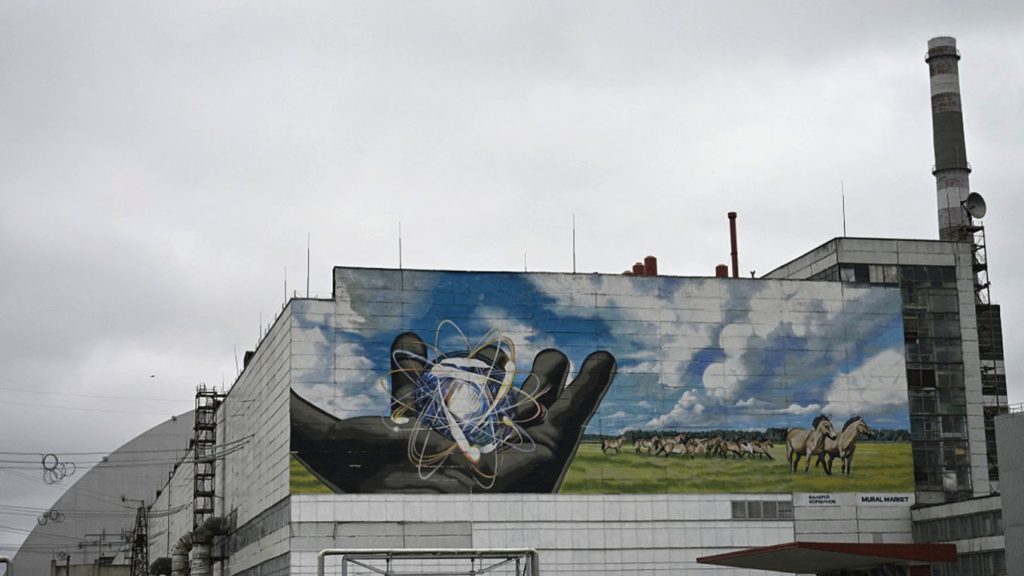
Forty years after the world’s worst nuclear disaster, the anniversary of Chernobyl is being marked by active bombardment and a deepening global safety crisis. With the New Safe Confinement damaged by drone strikes and Iran’s Bushehr facility reportedly hit multiple times, the routine targeting of nuclear infrastructure has exposed a fatal gap in international governance. This report examines the “double standards” of nuclear protection and the paralysis of the IAEA in an age where radioactive sites have become geopolitical pawns.
Europe Can’t Defend Itself Without Turkey
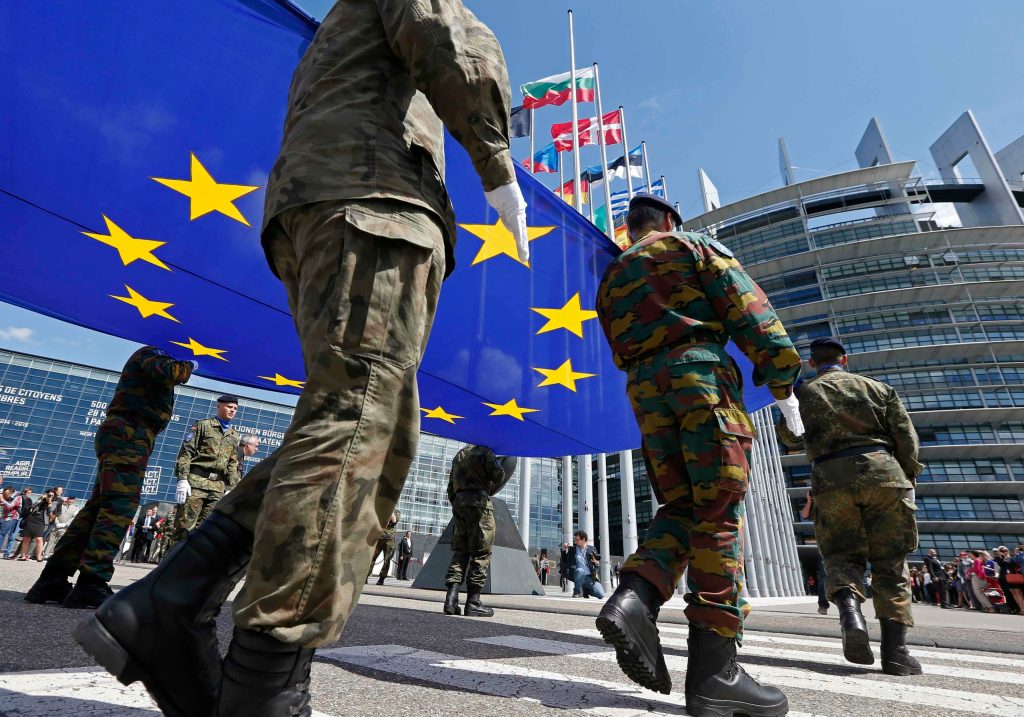
Europe’s pursuit of strategic autonomy faces a harsh reality: its defense architecture is mathematically incomplete without Turkey. From drone supremacy to providing NATO’s deepest missile warning via Kürecik, Ankara offers the scale and industrial speed that the EU currently lacks. As Turkey prepares to command NATO’s Allied Reaction Force in 2028, Brussels must bridge political friction with strategic necessity to ensure a credible defense against regional threats.
Extended Iran Ceasefire Leaves US Facing Tough Choices
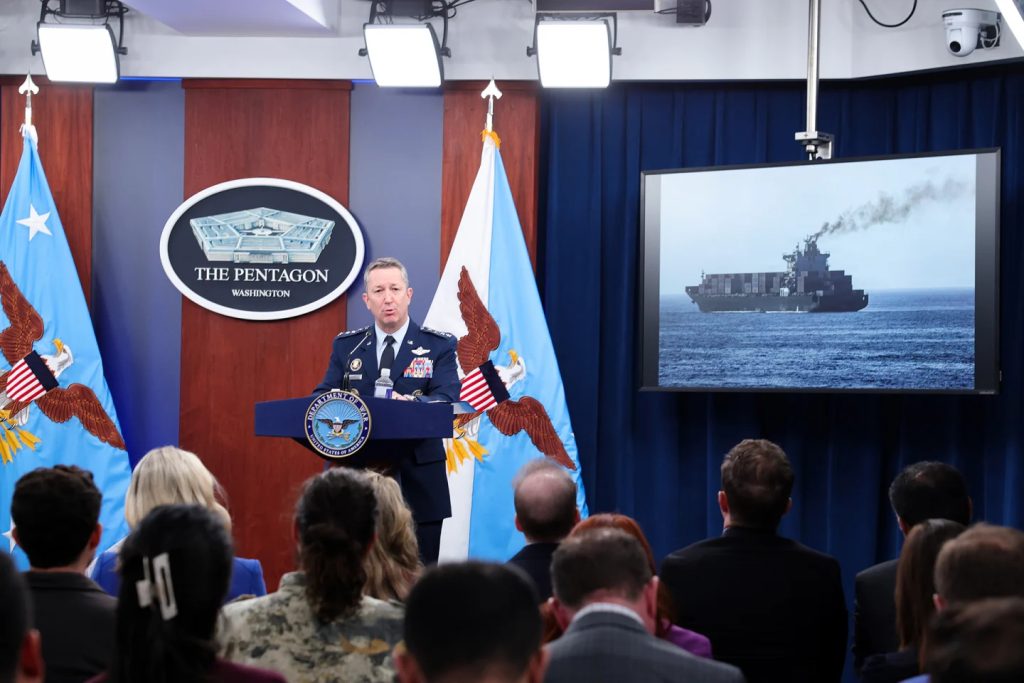
President Trump’s indefinite extension of the Iran ceasefire marks a strategic pause in the 2026 war, yet the path to peace remains blocked by a “triumvirate” of IRGC hardliners in Tehran and a rigid U.S. naval blockade. With oil prices surging to $107 and direct talks in Islamabad stalled, the administration faces a critical choice: can diplomacy survive a “military council” that has effectively sidelined Iran’s civilian government?
India’s Balancing Act: Surviving Trump 2.0 Without Picking a Side
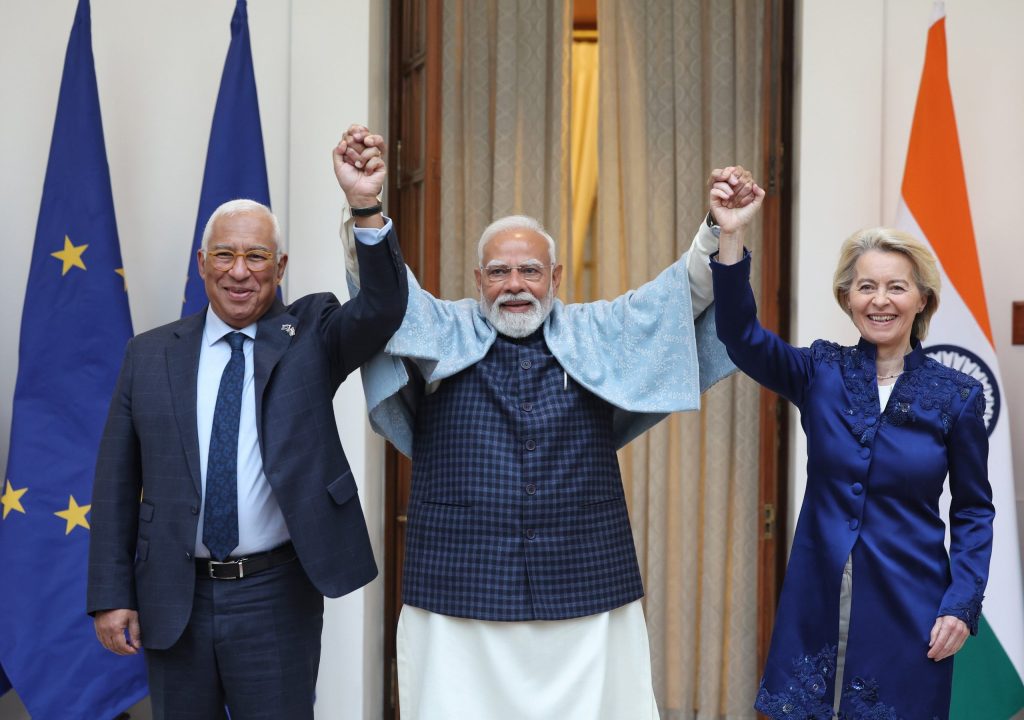
The second Trump presidency has stress-tested India’s foreign policy like never before. Faced with tariff shocks and diplomatic friction over Russian oil, New Delhi has doubled down on its doctrine of multi-alignment. From finalizing a landmark EU trade deal to joining the US-led “Pax Silica” initiative while maintaining ties with Moscow and Beijing, India is navigating a fragmented global order by transforming economic pressure into strategic resilience.
Spain Courts Beijing: Sánchez Bets on China as Transatlantic Ties Fray
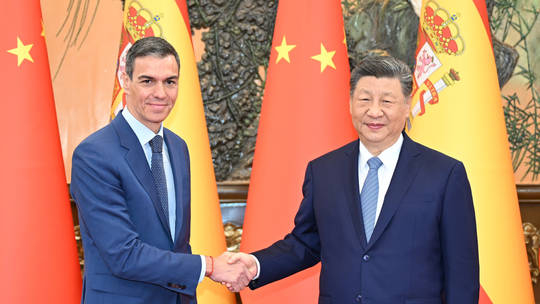
In a strategic response to fraying Transatlantic ties, Spanish Prime Minister Pedro Sánchez has solidified a pragmatic partnership with Beijing. By securing high-quality investments from Chinese giants like Chery and CATL—conditioned on local job creation and technology transfer—Spain is positioning itself as a vital manufacturing hub and a diplomatic bridge between China and a fragmented Europe. This report analyzes how Madrid is navigating U.S. pressure to secure its green transition and economic sovereignty.
The War of Clocks and Systems: New Rules of Geopolitical Power

In the “Trumpquake” era, the rules of global power have been rewritten. Beyond the fragile US-Iran ceasefire lies a deeper systemic warfare where strategic patience (Tehran’s clock) clashes with political haste (Washington’s clock). This report explores the emergence of a fragmented order—from Hezbollah’s financial revival to the EU’s electrification mandate—where pragmatic alliances and the weaponization of maritime arteries have replaced traditional diplomacy.
US Iran Blockade Highlights Timing Challenges
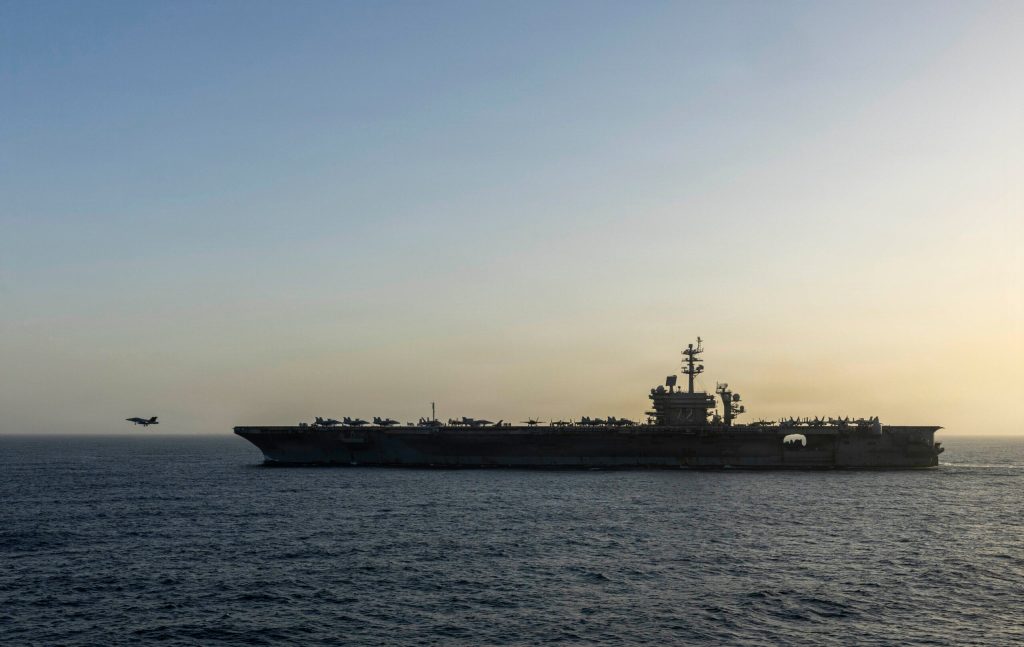
The U.S. naval blockade of Iran, while intended to force concessions, has become a strategic bottleneck. Implemented after open hostilities had already commenced, the measure has inadvertently narrowed the space for diplomacy, prompting Iran to decentralize its operations and use the Strait of Hormuz as a counter-lever. This report examines the high cost of delayed coercive sequencing in a rapidly escalating regional conflict.
Iran’s History of Defiance Challenges US Pressure

The current U.S.-Iran conflict is the latest chapter in a century-long struggle for Iranian sovereignty. By analyzing historical milestones from the 1953 coup to the recent 2026 escalations, this report explores why coercive diplomacy and tactical strikes often backfire. In a region where collective memory shapes modern policy, the pursuit of “domination” continues to underestimate the enduring power of national dignity.
Hormuz Standoff Tests Limits of International Law
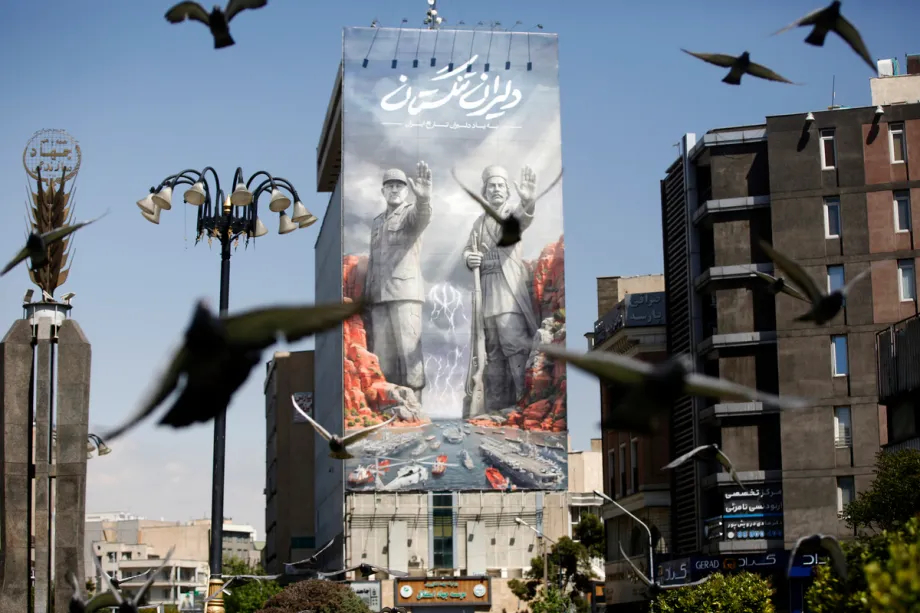
The extension of the US-Iran ceasefire has shifted the battlefield to the legal and maritime domain. In the Strait of Hormuz, competing interpretations of international law—specifically the tension between UNCLOS transit rights and the laws of naval warfare—have created a volatile equilibrium. With 20% of global oil at stake, this managed confrontation tests the limits of international oversight and the resilience of global supply chains.
Cold Peace Offers Realistic Path on North Korea
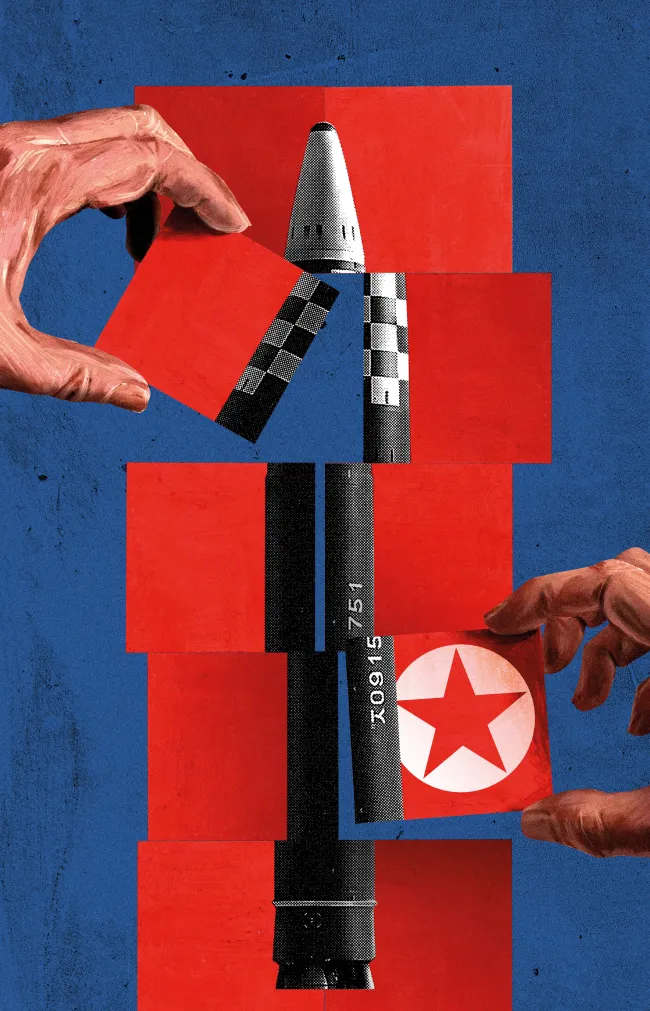
After thirty years of unsuccessful attempts at total denuclearization, North Korea’s nuclear program has evolved into a formidable, permanent threat. As Pyongyang accelerates missile testing and expands its nuclear facilities, the window for traditional diplomacy has closed. A new pragmatic strategy—a “Cold Peace”—focused on immediate risk reduction and crisis management, may now be the only realistic path to ensuring regional stability.
US-Backed Figures Risk Familiar Fate in Iran Crisis
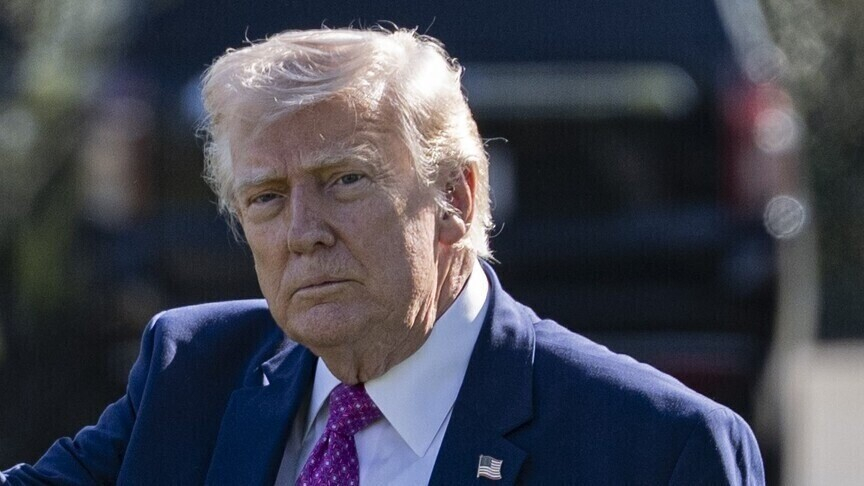
A recurring pattern in American foreign policy—the cultivation of local proxies for regime change—is once again playing out in the Iran conflict. From exiled figures to ambitious local politicians, those seeking power through external sponsorship often ignore the cautionary tales of the past. History suggests that such collaborations are inherently fragile, frequently ending in isolation or abandonment once Washington’s strategic priorities shift.
Iran War Erodes US Appetite for Middle East Role
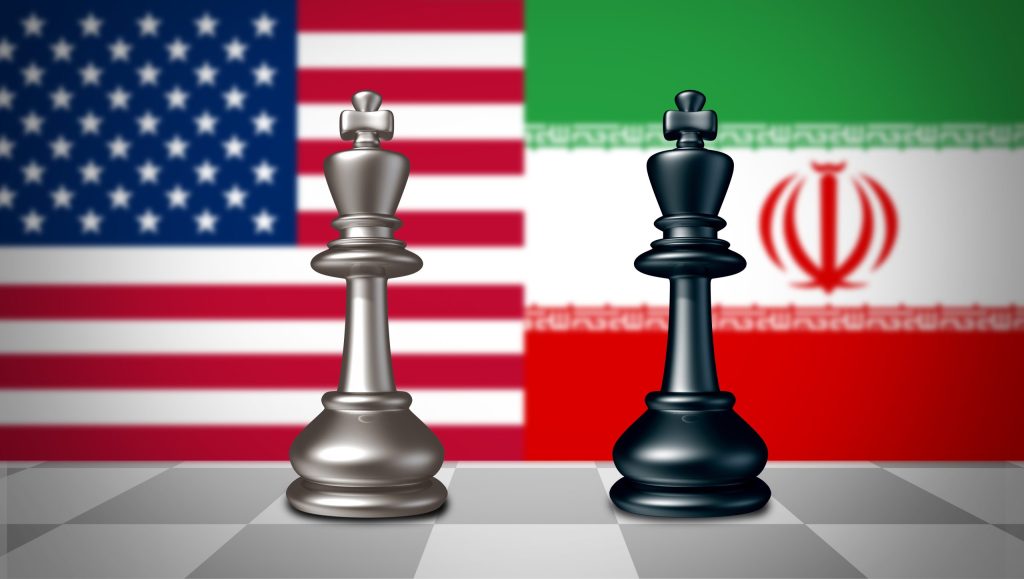
As the conflict enters its third month, domestic opposition to U.S. military engagement in the Middle East has reached a critical tipping point. Driven by rising energy costs and economic anxiety, a majority of Americans now disapprove of the ongoing campaign. With the 60-day War Powers Resolution deadline approaching, the administration faces a defiant Congress and a public increasingly weary of open-ended regional commitments.