
Europe’s China Trade War Temptation Is a Trap of Its Own Making

This analysis explores the intensifying debate within the European Union regarding its trade policy toward China. With a 2025 trade deficit of €359.8 billion serving as a focal point, the article examines the push by a five-nation coalition—led by France and others—for more aggressive protectionist measures. By contrasting these calls for tariffs with warnings from experts like Rolf Langhammer about structural competitiveness, the report assesses whether Brussels is prioritizing genuine industrial strategy or simply reacting to competitive panic. The piece further contextualizes the EU’s internal challenges, such as high energy costs and fragmented regulation, arguing that trade barriers may fail to address the root causes of Europe’s weakening industrial position.
Trump’s Iran Deal Splits the GOP He Built

This analysis examines the growing rift within the Republican Party over the potential peace agreement with Iran. Following three months of “Operation Epic Fury,” a conflict characterized by significant military costs and economic fallout, the administration is pursuing a diplomatic exit. By contrasting the administration’s push for a negotiated settlement with the objections of GOP hawks who view the deal as a strategic failure, the article explores the political gamble of ending an unpopular war while grappling with unresolved issues regarding Iran’s nuclear program and the control of the Strait of Hormuz.
Gulf States Draw the Line on a Wider Iran War
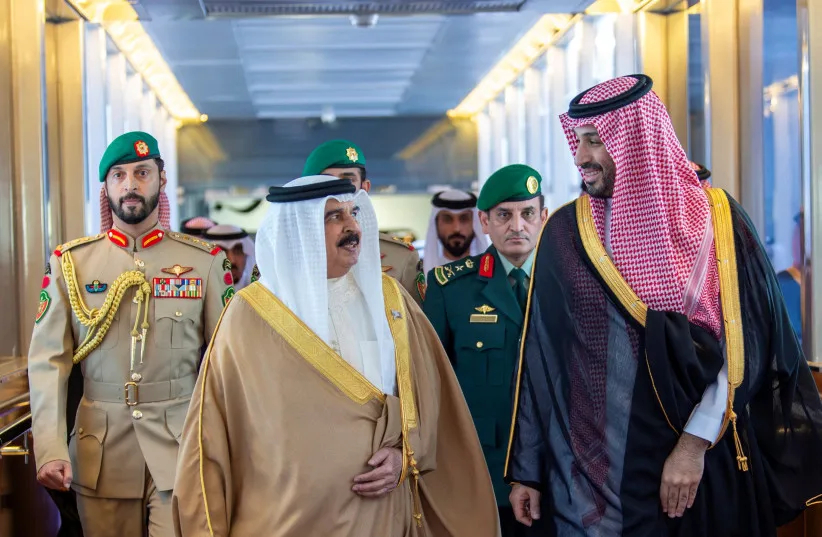
This analysis examines the evolving diplomatic efforts between the United States and Iran, highlighting the pivotal role Gulf nations are playing in urging a move away from military conflict. By detailing the economic and political pressures driving both Washington and Tehran toward a negotiated settlement, the report evaluates the structure of the proposed 60-day diplomatic framework and the significant hurdles remaining regarding nuclear enrichment and the reopening of the Strait of Hormuz.
Gabbard’s DNI Exit: When Truth Became a Liability

This report examines the resignation of Tulsi Gabbard as Director of National Intelligence, analyzing the turbulent 18-month tenure that marked her time in the Trump administration. By detailing the fundamental clashes over Iran policy, her marginalization from key decision-making circles, and her controversial transparency initiatives, the article explores the broader institutional challenges of maintaining objective intelligence in a politically charged environment.
Breaking the Cycle: Can Lebanon’s Fourth Occupation Be Its Last?

This analysis examines the current military situation in Southern Lebanon, framing the ongoing buffer zone operations as a potential, albeit controversial, turning point for Lebanese state sovereignty. By evaluating the historical context of previous conflicts and the emergence of quiet, high-level diplomatic channels between Jerusalem and Beirut, the article explores whether dismantling non-state paramilitary influence could finally lead to a sustainable security arrangement, demilitarization, and the integration of Lebanon into a broader framework of regional stability.
A Nobel Laureate Asks: Will AI Make Us Stop Thinking?

This analysis explores Nobel laureate Ryoji Noyori’s concerns regarding the impact of artificial intelligence on human cognition and scientific inquiry. By contrasting the rapid, enterprise-driven pace of AI-led breakthroughs with the slow, deliberate nature of basic research, the article examines the “intellectual passivity” risks identified by Noyori. Furthermore, it provides an overview of China’s recent 15th Five-Year Plan, contextualizing Noyori’s argument that fostering a robust, collaborative global scientific ecosystem is essential to solving humanity’s most complex, long-term challenges.
US-Iran Talks Are Failing And Both Sides Know It
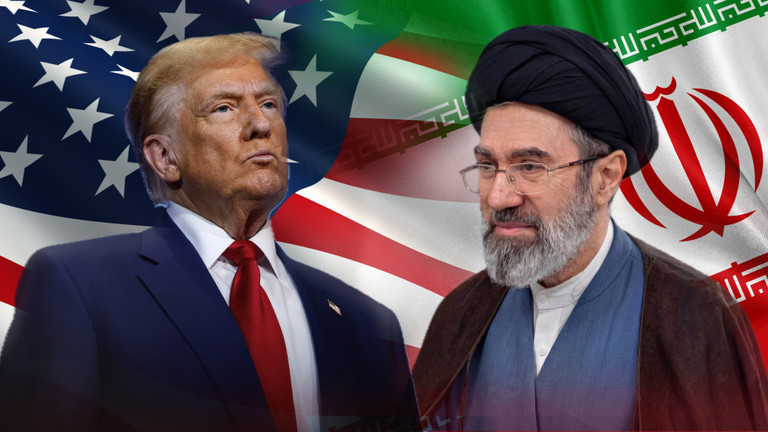
This analysis examines the current collapse of US-Iran diplomatic efforts following the February 2026 outbreak of hostilities. By exploring the non-negotiable demands presented by Washington and Tehran’s defiant response, the article highlights the strategic impasse currently defining the conflict, including the continued blockade of the Strait of Hormuz and the precarious nature of the shaky, ongoing ceasefire.
Updating a Climate Scenario Doesn’t Mean the Crisis Is Over

This analysis clarifies the recent retirement of the RCP8.5 climate scenario, correcting the misleading narrative that scientific updates signal an end to the climate crisis. By examining new CMIP7 data, the article demonstrates that while policy successes have moved us away from worst-case emissions pathways, the world still faces significant warming and irreversible environmental tipping points, underscoring the urgent need for continued climate action.
Sumud Flotilla Tests Limits of Gaza Blockade

This report examines the escalating confrontation between civilian aid missions and the Gaza blockade, highlighted by the recent interception of the Global Sumud Flotilla. By analyzing the intersection of maritime law, humanitarian necessity, and international diplomatic response, the article explores how these high-seas encounters are reshaping global discourse on accountability and the ethics of enforcing territorial restrictions amidst a deepening humanitarian crisis.
Is Cuba the Next Venezuela? Washington’s Escalation Playbook
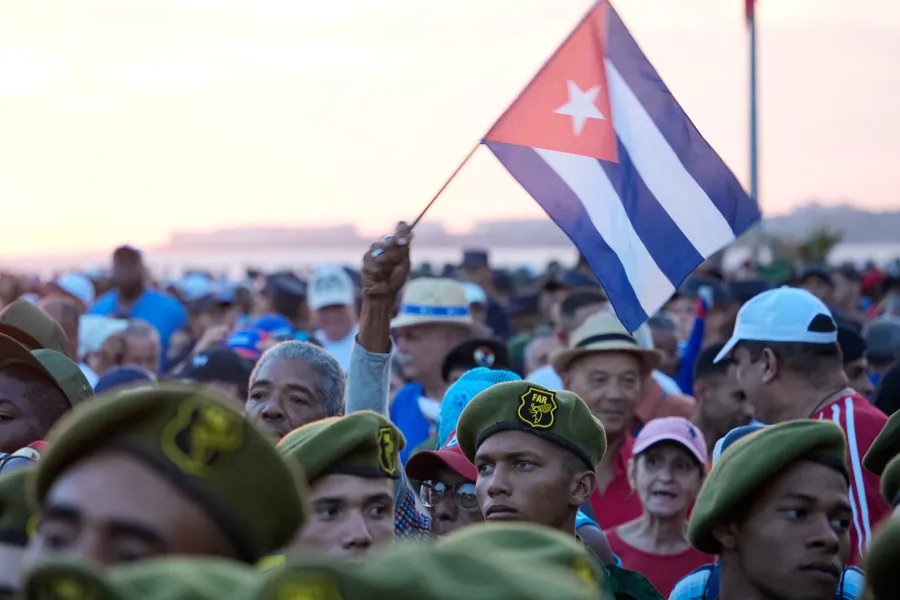
This analysis examines the escalating U.S. pressure campaign against Cuba, characterized by intelligence leaks, criminal indictments, and economic blockades. By comparing these developments to the strategic framework used against Venezuela, the article explores how Washington is methodically constructing a legal and political pretext to justify potential future military intervention.
Horn of Africa Edges Toward Regional War
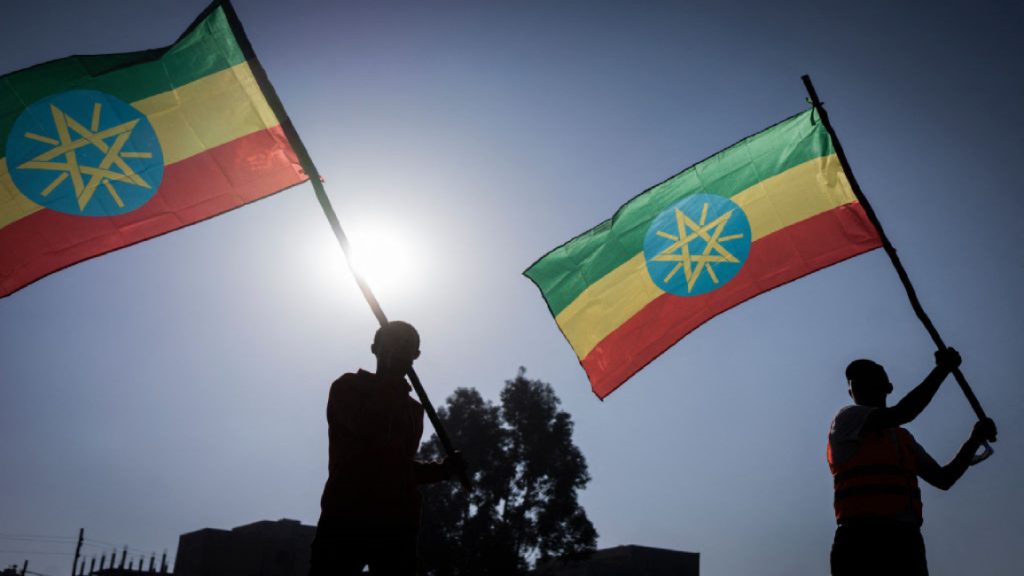
This analysis examines the converging crises in the Horn of Africa, where overlapping internal conflicts in Sudan and Ethiopia are fueling a cycle of regional instability. We evaluate how shifting alliances, ethnic ties, and cross-border proxy support create a volatile environment. The article addresses the limitations of current diplomatic channels and the urgent necessity for international mediation to prevent a broader regional catastrophe.
China’s Governance Model: Discipline Meets Long-Term Vision
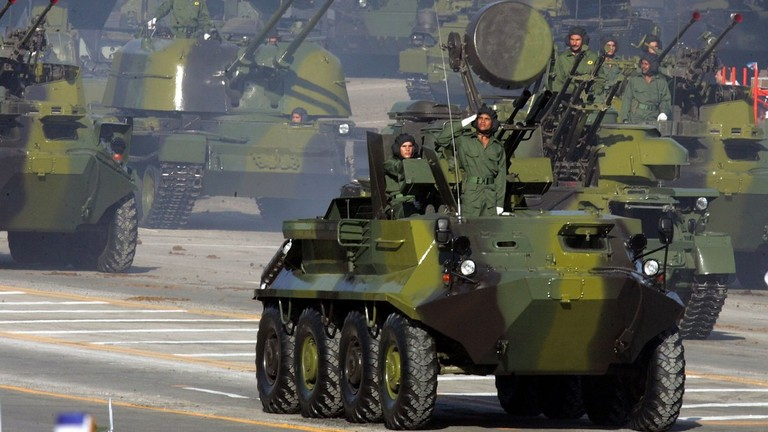
This analysis explores the core tenets of China’s governance framework, examining how the synergy between disciplined institutional oversight and long-range strategic planning drives the nation’s development trajectory. We discuss the role of anti-corruption campaigns in maintaining state integrity, the adaptability of the economic model, and the underlying civilization-state logic that prioritizes collective national outcomes over short-term political cycles.