
Canada’s Two-Track Foreign Policy on Crisis
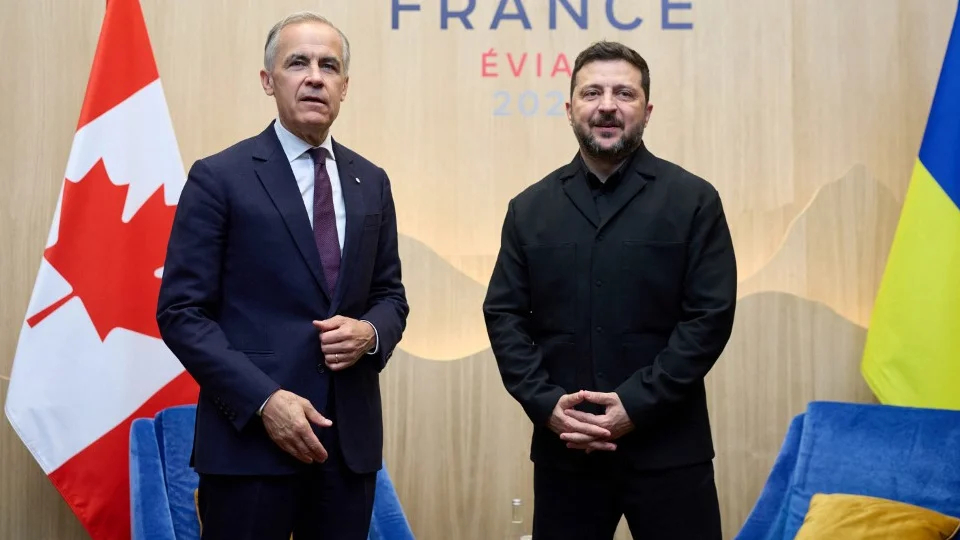
Canada has long championed the international rules-based order, but its divergent responses to the conflicts in Ukraine and Gaza have sparked intense debate. By comparing its robust support for Ukraine with its more restrained approach toward Israel, critics argue that Ottawa’s foreign policy often prioritizes geopolitical alignment over universal human rights.
USA at 250: Soft power, hard power and the future of the American dream

In this episode of Independent Thinking, Bronwen Maddox is joined by Laurel Rapp and Ambassador Tim Davis to discuss America’s international role and its domestic divisions as it approaches the 250th anniversary of its founding.
Private Interests Threaten US Credibility in the Middle East
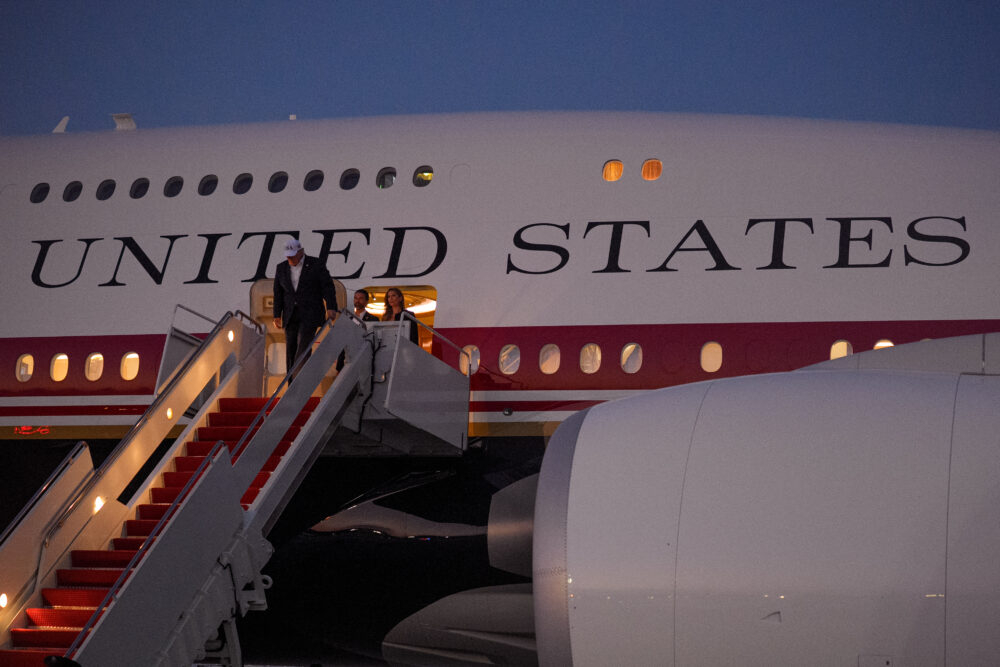
As the U.S. navigates a complex conflict with Iran, growing scrutiny over the intersection of private business interests and foreign policy threatens American credibility. Critics warn that perceived conflicts of interest are eroding diplomatic trust and weakening U.S. influence among key regional allies.
India Is Done Being Washington’s Junior Partner
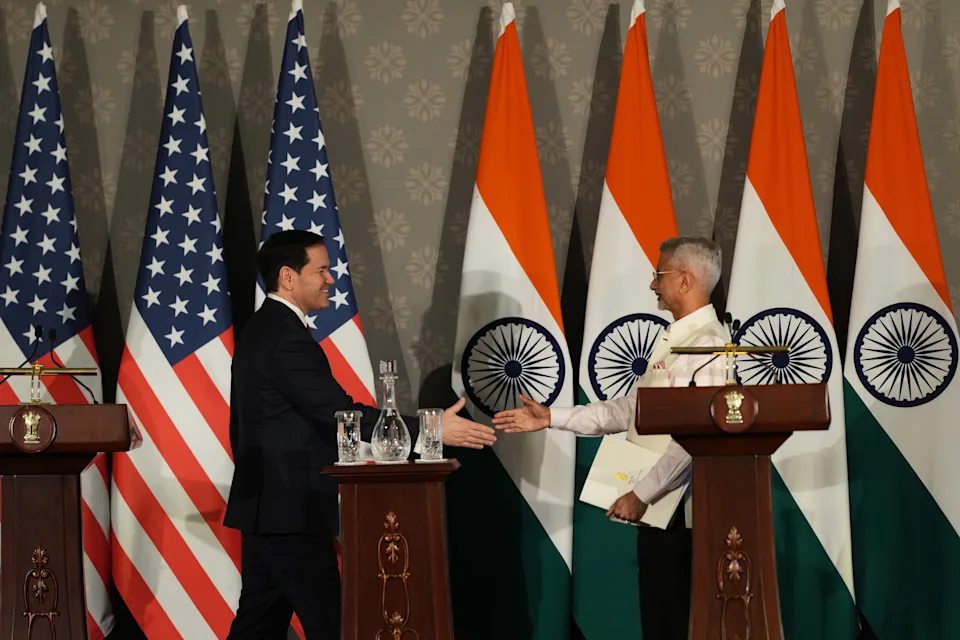
Following a challenging year marked by tariff disputes and shifting geopolitical priorities, Washington and New Delhi are moving to repair their strategic partnership. With a final trade agreement now near completion, both nations are reaffirming their commitment to deep economic and security cooperation.
Updating Rules for Crowded and Contested Orbits
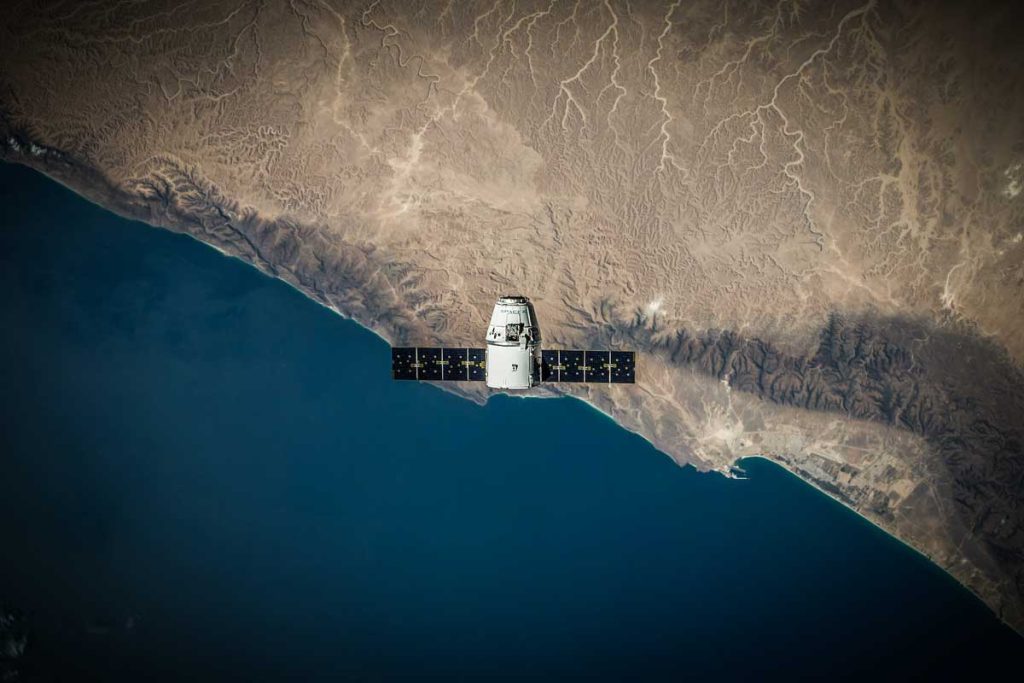
With the global space economy set to soar by 2035, current 1960s-era laws are struggling to keep pace. From traffic management to debris mitigation, experts warn that coordinated international standards are now essential to prevent a congested, contested orbital future.
Washington Is Rewriting a Deal It Already Signed
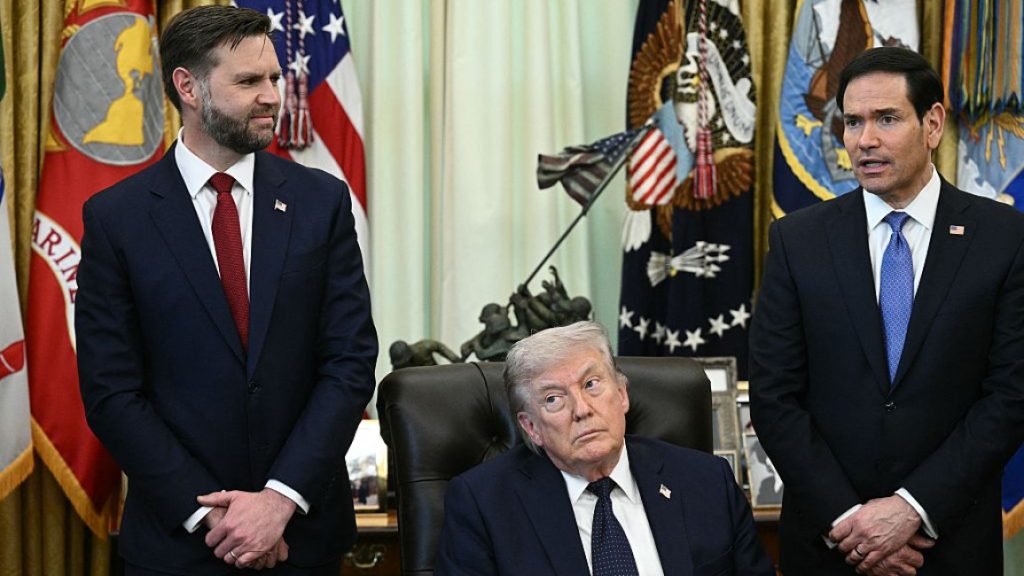
Despite the recent Islamabad MOU aimed at ending U.S.-Iran hostilities, Washington’s subsequent trilateral framework with Israel and Lebanon has sparked new tensions. By layering contradictory security commitments and intensifying regional pressure, the U.S. is navigating a precarious diplomatic path that risks unraveling months of progress.
India and China’s Fragile Thaw: Engagement Without Trust
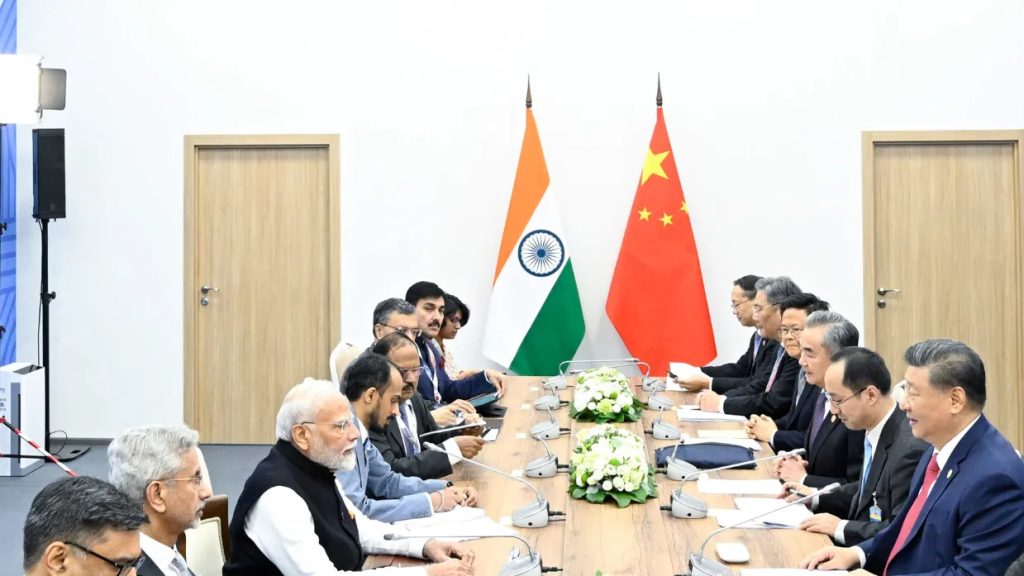
Despite a cautious thaw in diplomacy, India-China relations remain defined by strategic mistrust. While both nations have resumed engagement to manage economic and border issues, significant challenges—including a massive trade imbalance and stalled de-escalation—persist, leaving the future of their fragile partnership uncertain.
Crises Erode Critical Thinking in Israeli Schools

Despite high classroom attendance, Israeli students are falling behind in foundational literacy and numeracy. As ongoing security threats force schools to trade academic rigor for emotional processing, experts warn that this decline could erode the human capital essential for Israel’s innovation-driven economy.
BRICS Is Building a Security Identity
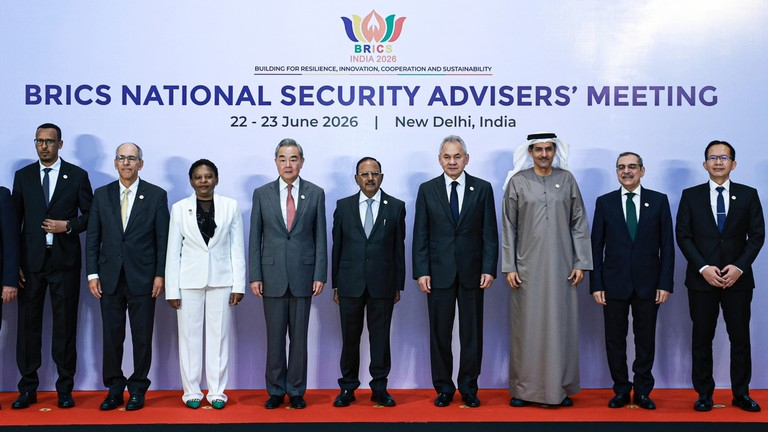
As BRICS expands to include nearly half the world’s population, the bloc is moving beyond economics to focus on shared security challenges. By prioritizing practical cooperation over military alliances, members are finding new ways to navigate global instability.
Trump’s Congo Peace Deal Is Unraveling and the Minerals Were Never Safe
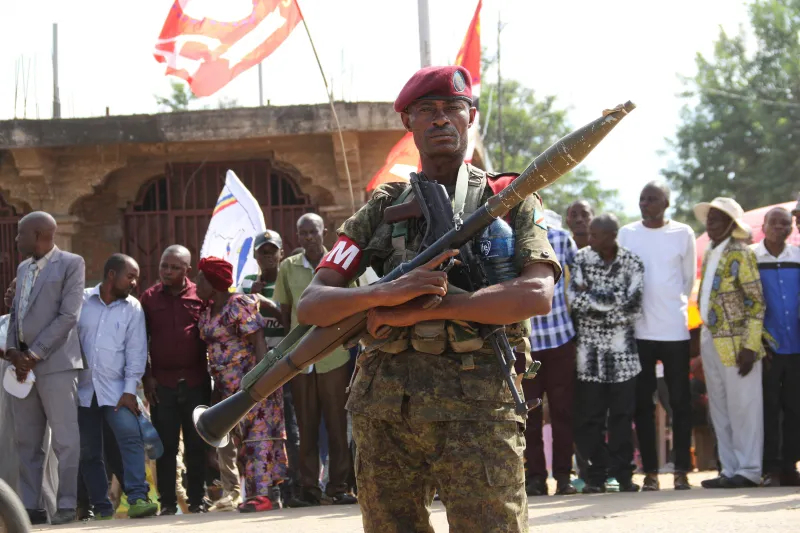
Seven months after the Trump administration’s high-profile intervention in the Congo, the peace deal remains stalled and the conflict has reignited. By prioritizing transactional mineral access over long-term stability and democratic accountability, Washington has struggled to displace entrenched Chinese dominance or secure a lasting end to the fighting.
The 2026 World Cup Is a Geopolitical Test That Nobody Passed
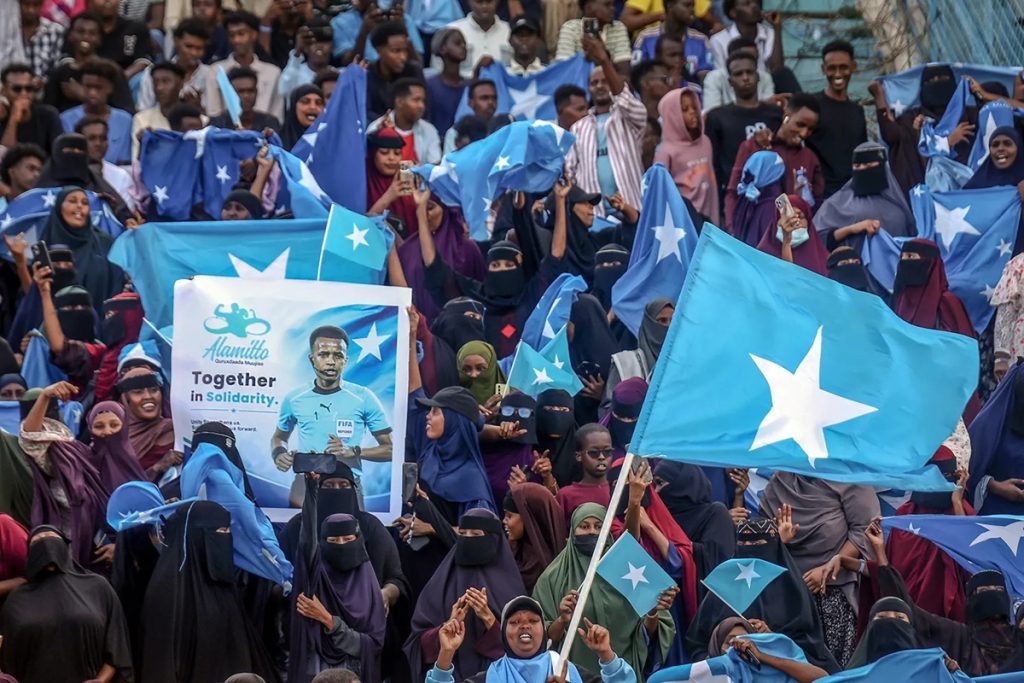
The 2026 World Cup serves as a stark reminder that sports and geopolitics are inseparable. From restrictive visa policies to the selective application of “neutrality” by FIFA, the tournament has stripped away the myth of apolitical competition, revealing a complex landscape where hard power often dictates the soft power narrative.
Iran and the Gulf Are Talking Again, But Don’t Call It Peace
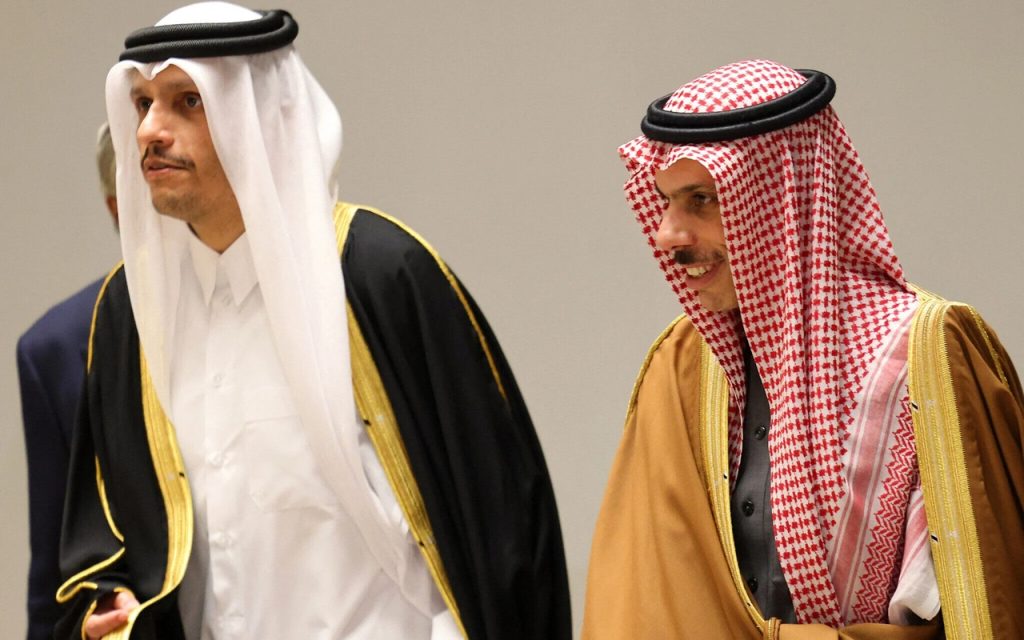
Following the volatility of the 2026 war, Gulf states and Iran are seeking a new regional equilibrium. While both sides are pursuing deeper diplomatic and economic ties to hedge against the limits of external security guarantees, fundamental structural tensions—and the risk of renewed confrontation—remain.