
The GOP’s Israel Consensus Is Cracking and JD Vance Is Holding the Hammer
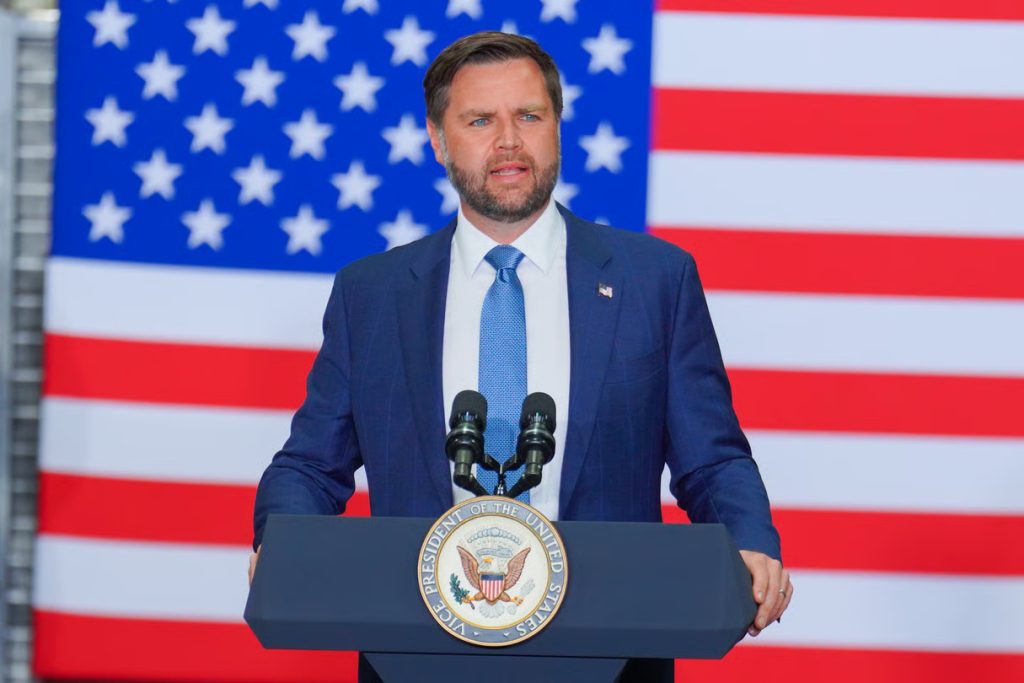
Vice President JD Vance is positioning himself at the forefront of a shifting Republican foreign policy, signaling a move away from unconditional support for Israel. Driven by changing base demographics and rising skepticism toward foreign entanglements, this pivot suggests the traditional bipartisan consensus on the US-Israel relationship may be permanently breaking down.
The US-Iran Peace Window Is Narrowing Fast
Following the June 17 Islamabad Memorandum, the path toward a durable peace between the US and Iran looks increasingly precarious. With deep disagreements over maritime tolls and persistent regional instability, both nations are struggling to move beyond a fragile ceasefire toward a lasting and comprehensive settlement.
Turkey Holds the Key to Black Sea Security and Knows It
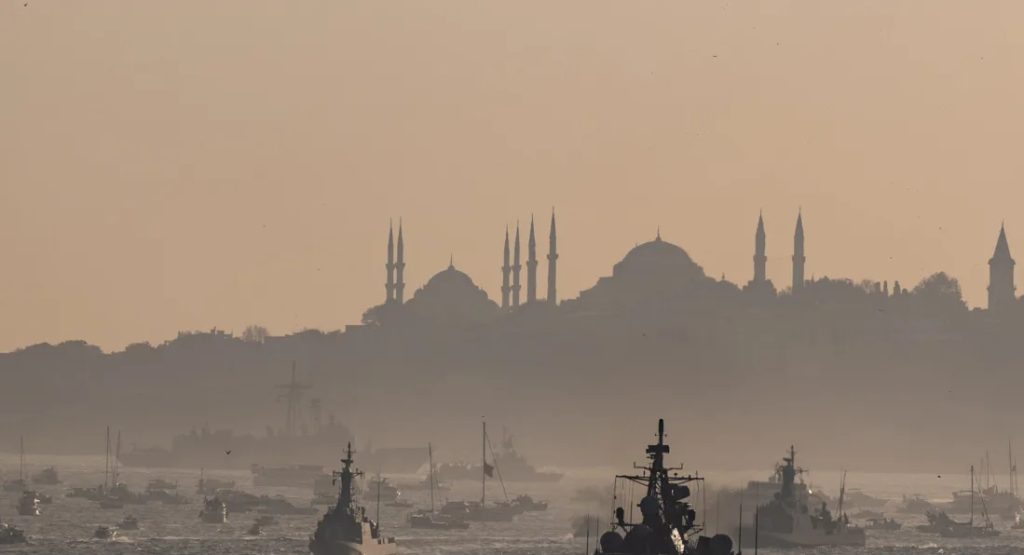
With the Montreux Convention entering its 90th year, Turkey has successfully leveraged its control over the Bosphorus and Dardanelles to become the ultimate gatekeeper of the Black Sea. This article explores how Ankara’s “regional ownership” strategy is shaping postwar security and balancing power between Russia and NATO.
The Court Held the Line. Congress Still Won’t.
The Supreme Court has decisively rejected the administration’s attempt to end birthright citizenship, affirming that birthright is a constitutional guarantee. While this ruling protects a century-old precedent, it highlights a deepening divide between judicial oversight and a struggling, gridlocked Congress.
America Won Battles in Iran and May Have Lost Something Bigger
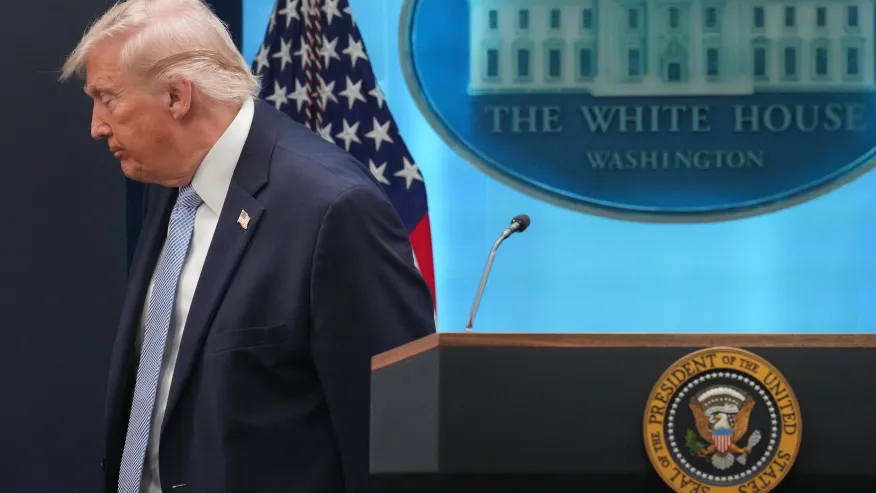
Despite the June 17 Memorandum of Understanding, the US-Iran conflict remains volatile. Recent retaliatory strikes have shattered the peace, raising concerns that the deal lacks the strategic depth to prevent a wider regional escalation or secure long-term stability in the vital Strait of Hormuz.
When Activism Becomes Terrorism: Europe’s Widening Crackdown on Palestine Solidarity
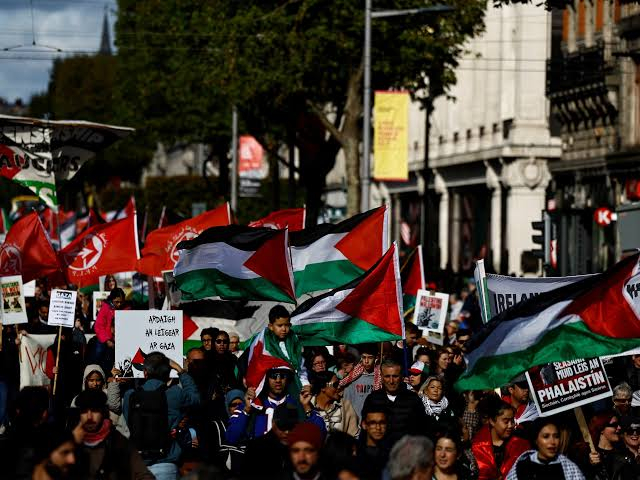
The legal boundary between political protest and terrorism is blurring. As European courts increasingly apply counter-terrorism legislation to property damage and activism, the case of Youssef Moursi in the Czech Republic highlights a broader, troubling trend of using the judiciary to suppress dissent regarding the conflict in Gaza.
The World’s CT Chiefs Are Meeting. America Sent a Wish List.

With the UN’s Ninth Counter-Terrorism Strategy review underway, the global community faces a pivotal moment. Yet, as threats evolve, the United States arrives at the table with a significantly dismantled institutional presence. This shift raises urgent questions about the future of international cooperation in an era of rising global instability.
The Numbers Behind America’s Soft Power Collapse

The concept of “soft power,” pioneered by Joseph Nye, is facing a historic reversal. As the United States sees its global reputation plummet in the 2026 indices, the erosion of its values-based influence and institutional legitimacy signals a deep, structural shift. Is the era of American global appeal reaching its end?
Bahrain and Kuwait Are Paying the Price for America’s War
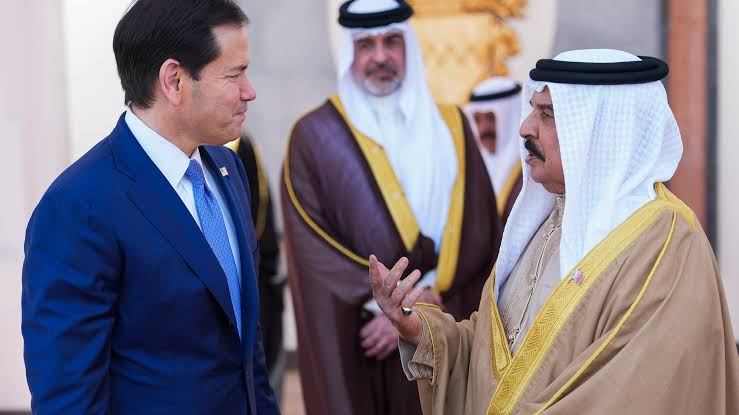
The strategic bargain of hosting US military bases has fundamentally shifted. Following the recent US-Iran conflict, Gulf states find themselves bearing the human and economic brunt of regional escalation. As infrastructure lies damaged and security guarantees falter, a quiet, urgent reckoning over the future of Western military presence is underway.
America’s Chip War Is Misfiring and Beijing Is Taking Notes

US export controls aimed at freezing China’s semiconductor progress have backfired. Instead of containment, these measures have spurred Beijing to aggressively scale domestic production. As the global tech landscape bifurcates, policymakers must now decide if current restrictions are protecting national security or simply eroding the revenue needed for American innovation.
Lebanon’s Sovereignty Gamble: A Deal That Rewards the Occupier
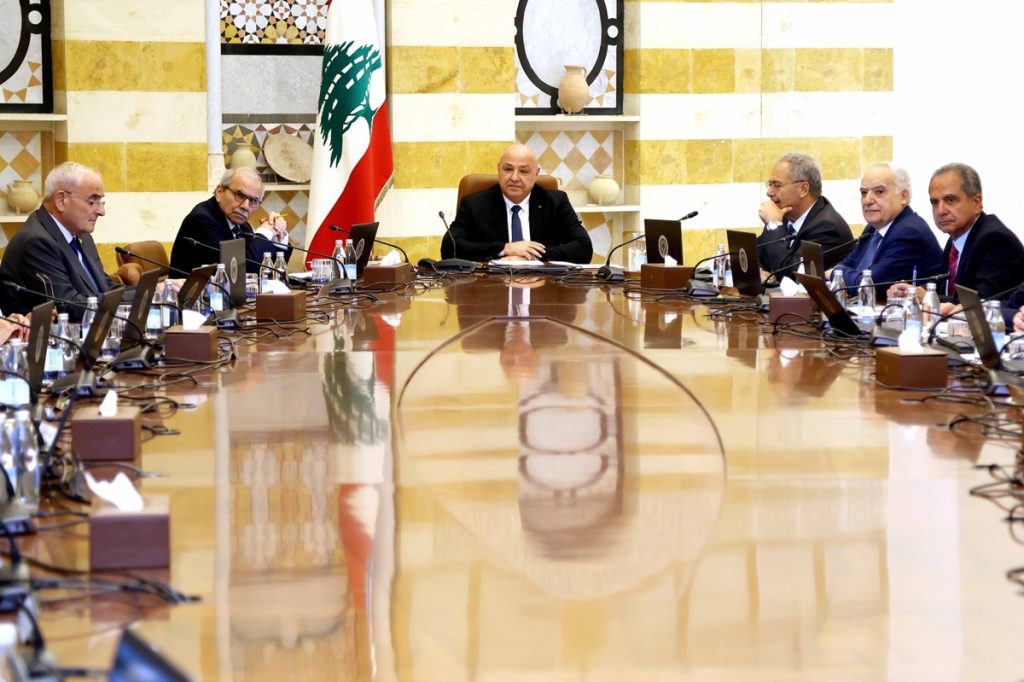
Despite ceremonial promises of peace, the new US-brokered agreement between Lebanon and Israel reveals a troubling framework. By conditioning Israeli withdrawal on Lebanon’s ability to disarm Hezbollah—a task the state has failed to achieve for decades—the deal may effectively cement an indefinite occupation rather than securing true independence.
Israel’s Election Cannot Rebuild Democracy With Those Who Broke It
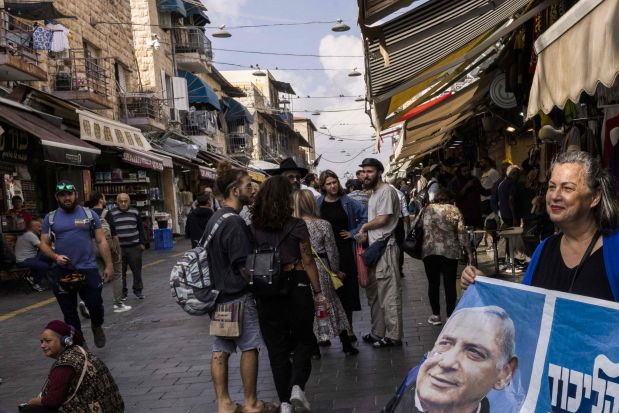
As Israel approaches its October 2026 elections, the call for national unity faces a moral crisis. Can a democratic renewal succeed if it includes parties that have normalized genocidal rhetoric and eroded institutional trust? This piece examines the deep structural divide defining Israel’s most consequential political turning point.