
India’s Delicate Dance Between Washington and Beijing
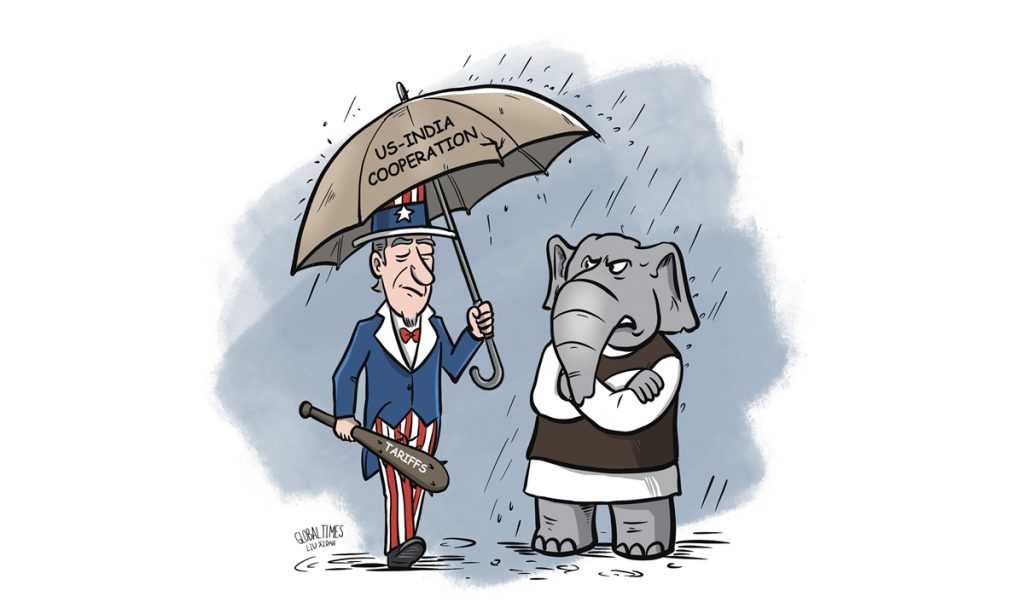
As global dynamics shift, India is rebalancing its foreign policy by thawing relations with China while expressing caution over American unpredictability. By prioritizing strategic autonomy over zero-sum alliances, New Delhi is navigating an increasingly fractured world order to protect its national interests and strengthen ties with the Global South.
Cuba’s Agony: A Casualty of US Economic War

As U.S. sanctions intensify into a de facto energy blockade, Cuba is grappling with a severe humanitarian crisis. From nationwide blackouts to a collapsing healthcare system, the island faces a mounting catastrophe. Discover how this decades-long economic war is impacting millions and drawing widespread condemnation from the international community.
Vance’s War on GDP: A Misguided Attack on Prosperity

Vice President J.D. Vance’s critique of GDP represents a misguided turn in American politics. By framing economic prosperity as the root of social decay, the New Right is promoting protectionist policies that ignore historical reality. This analysis argues that abandoning growth—rather than solving social ills—will only weaken the foundation of American security and community.
US Rethinks Gulf Bases After Iran Conflict
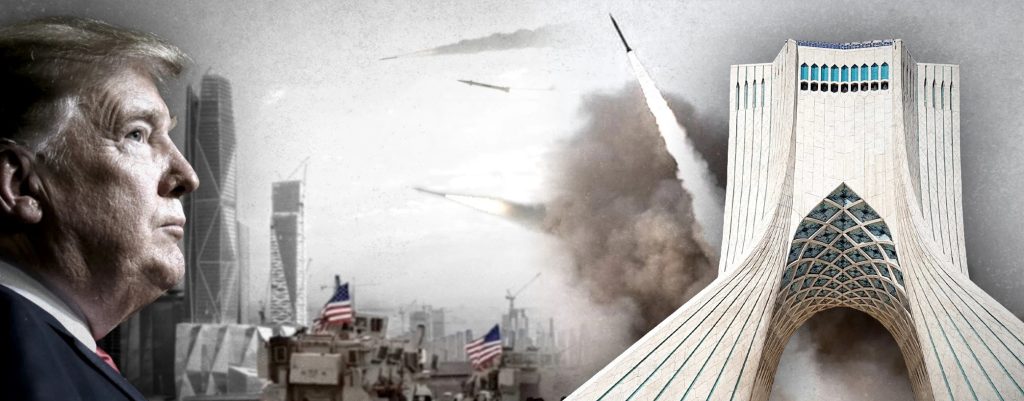
The era of sprawling, static American super-bases in the Persian Gulf is reaching a turning point. Recent conflicts have exposed the vulnerabilities of centralized hubs to asymmetric warfare, forcing the U.S. military to pivot toward a more agile and distributed force posture to ensure survival in a contested environment.
The Unraveling of the US-Israel Alliance
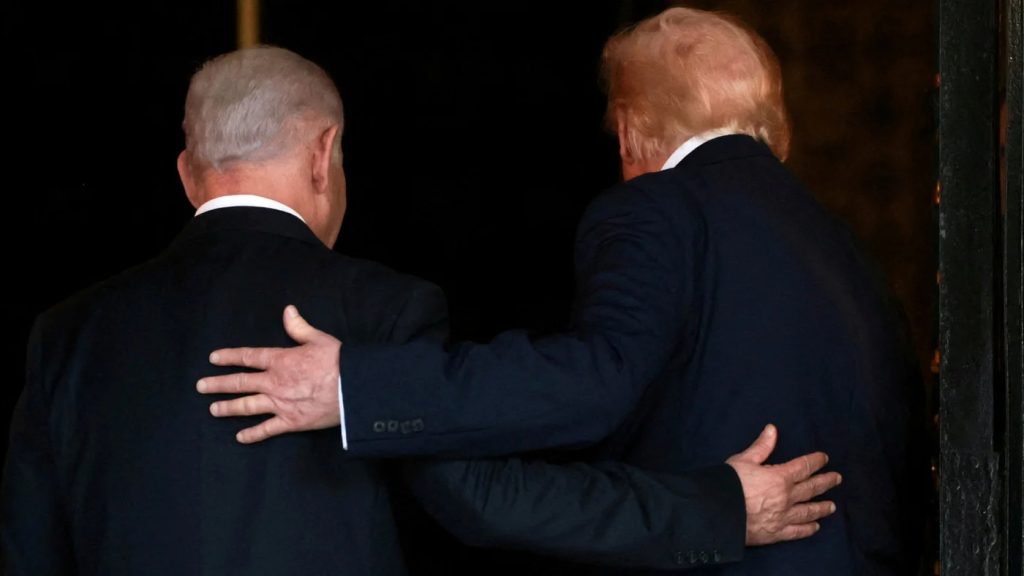
The historic alliance between the U.S. and Israel is undergoing a profound crisis. From the public fallout between Trump and Netanyahu to shifting demographics in American politics, the “special relationship” is no longer an article of faith. This analysis explores how transactional interests and evolving voter values are recalibrating U.S. foreign policy.
NATO Plays the Long Game as Trump Looms
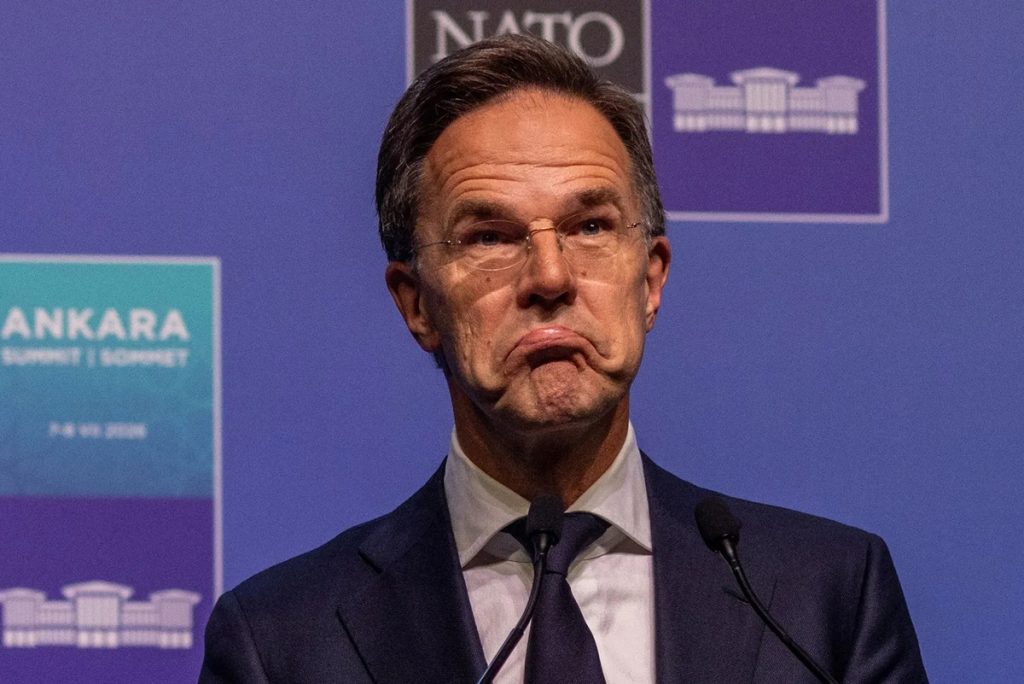
The recent Ankara summit marked a turning point for NATO. While navigating internal political volatility, the alliance is quietly accelerating its strategic autonomy. By surging defense investment and prioritizing long-term resilience, European leaders are preparing for a future where they can ensure their own security, independent of Washington’s fluctuating commitments.
How Iran Is Winning the Peace After Losing the War
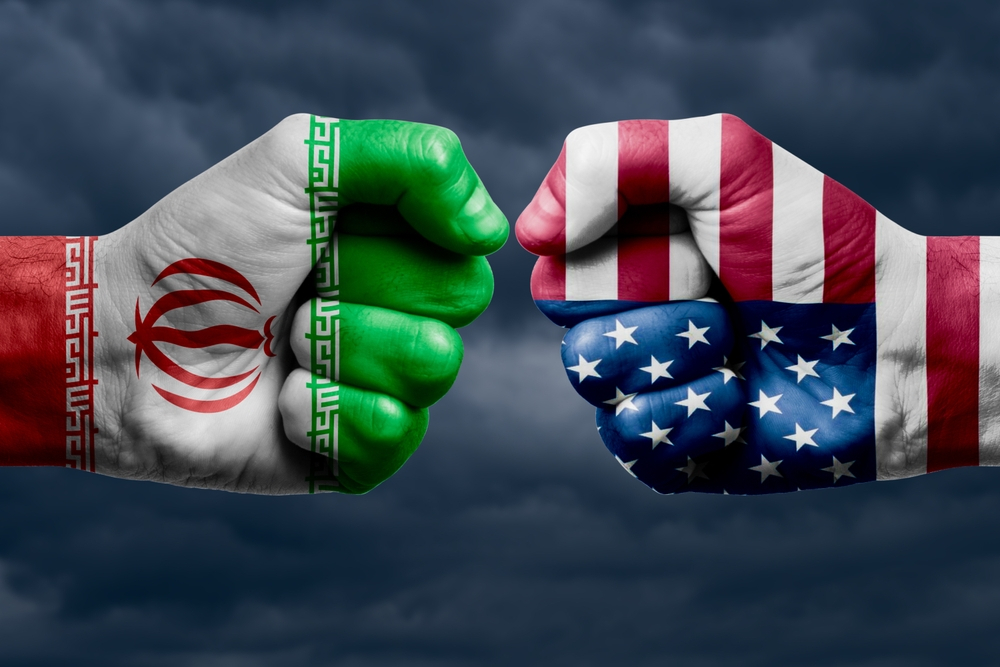
The recent war between the U.S., Israel, and Iran has failed to dismantle Tehran’s core regional influence. As diplomatic agreements struggle to hold, the conflict has evolved from open warfare into a complex struggle for regional dominance, leaving the Strait of Hormuz and future security precarious.
Gaza’s Aid Dilemma: A Choice Between Two Failed Models

The debate over Gaza’s future—pitting UNRWA against the new, US-backed Board of Peace—masks a deeper political failure. Both models aim to manage the symptoms of occupation rather than address the need for decolonization. True resolution requires shifting focus from aid administration to securing genuine Palestinian self-determination and sovereignty.
Drone Warfare Exposes Oil’s Achilles’ Heel
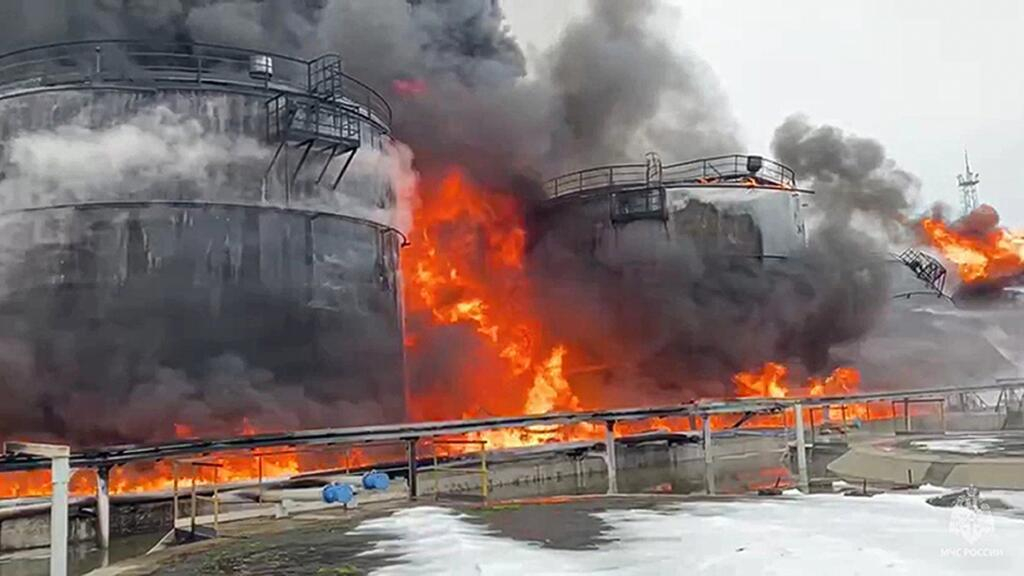
Drone warfare has exposed the critical fragility of global oil infrastructure. From refineries to shipping lanes, centralized fossil fuel assets are increasingly vulnerable to low-cost strikes. This new reality proves that transitioning to decentralized, renewable energy is no longer just environmental—it is a vital national security imperative.
US Taiwan Strategy Tested by Senator’s Visit
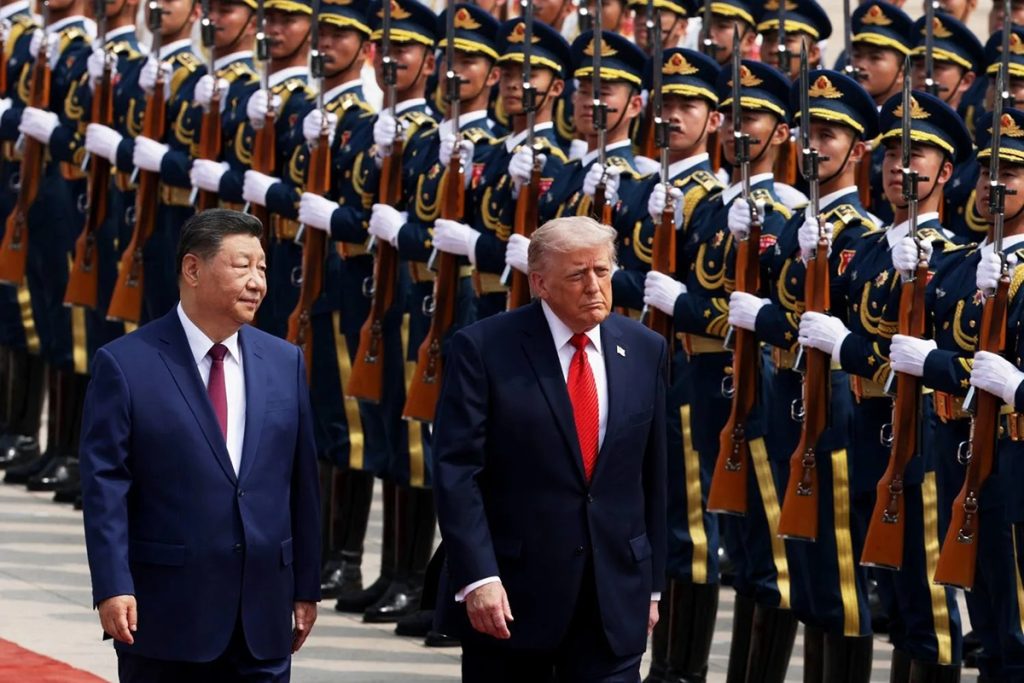
In a move to reaffirm U.S. commitments, Senator Tammy Duckworth has arrived in Taipei, becoming the first senator to visit following the recent Trump-Xi summit. Her mission aims to counter the administration’s hesitation on critical arms packages and underscore the vital, long-term security and economic partnership between the two nations.
Trump’s Greenland Push Risks Arctic Stability
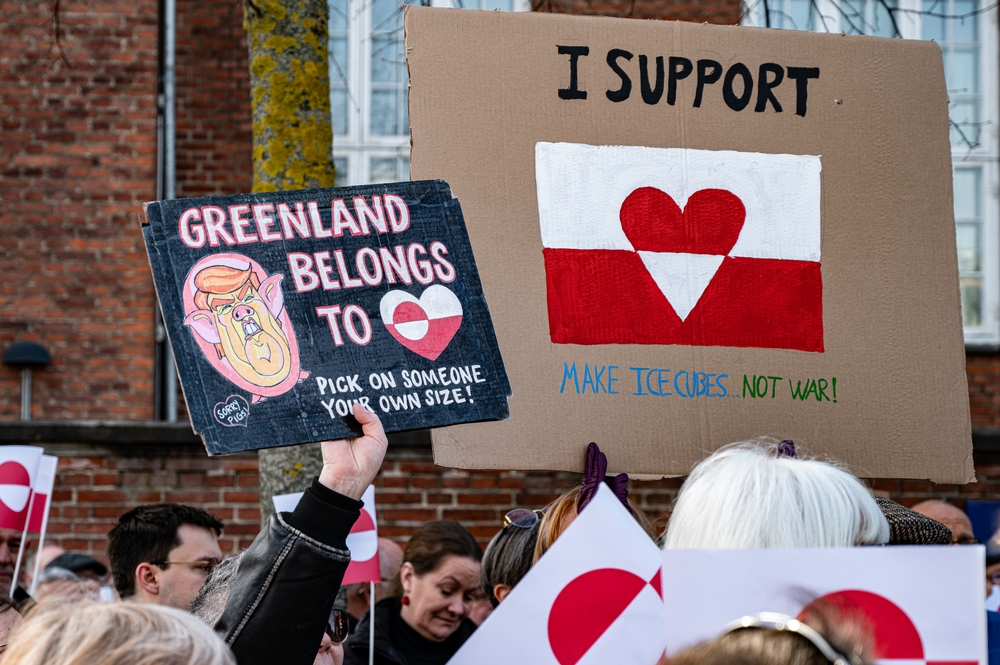
President Trump’s continued pursuit of Greenland—despite firm rejections from Denmark and local leaders—is straining transatlantic relations. By prioritizing 19th-century expansionist goals over existing security partnerships like the Pituffik Space Base, the administration risks fracturing the very alliance framework currently protecting the Arctic.
The Trump-Netanyahu Alliance of Convenience
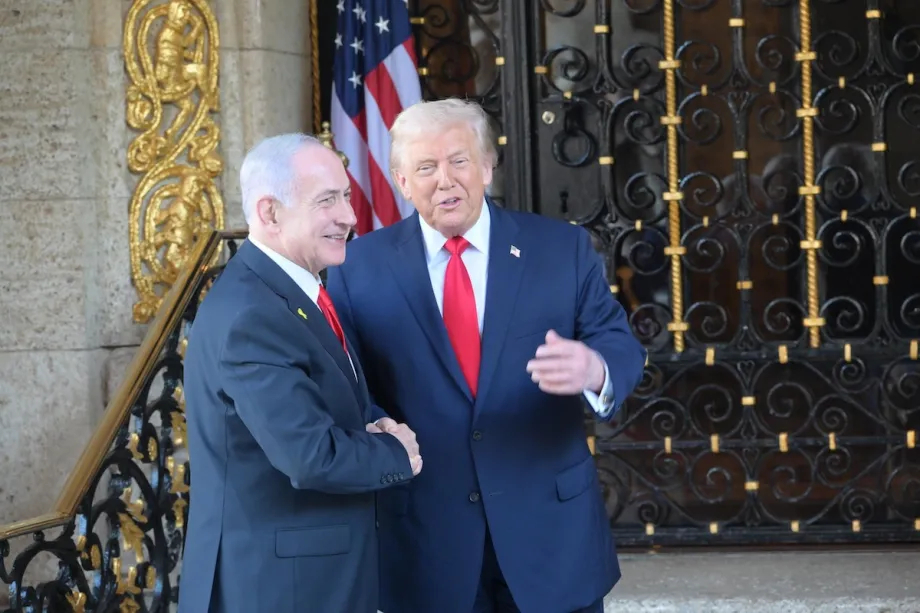
Once a cornerstone of Middle East policy, the U.S.-Israel relationship under Trump and Netanyahu has devolved into a fragile, transactional arrangement. This analysis explores how the mutual political dependence of these two leaders has prioritized short-term survival over long-term stability, putting both nations on a perilous path.