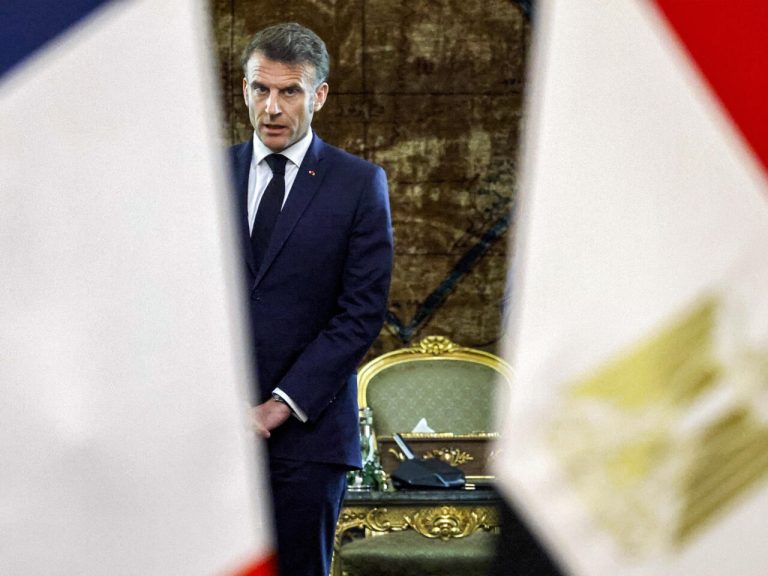
French President Emmanuel Macron arrived in Kenya last month seeking to project renewal in ties strained by years of setbacks. The Africa Forward Summit brought together dozens of leaders and centered on innovation alongside fresh financial commitments. Organizers framed the event as a break from past patterns yet many participants left skeptical about Paris’s ability to deliver on its promises while adapting to a changed continent. African states now bargain more assertively as they weigh offers from multiple powers.
Macron pledged around 23 billion euros in co-investments split between French and African sources. The funds target energy transition, artificial intelligence applications and sustainable agriculture. These amounts nevertheless appeared modest when stacked against earlier American pledges that reportedly exceeded initial targets within two years. French officials also worked to expand engagement with non-traditional partners such as Kenya and Nigeria as traditional influence in West Africa receded.
Military and political links have deteriorated sharply in recent years. Governments in Mali, Burkina Faso and Niger expelled French troops and diplomats following coups driven by domestic discontent and accusations of interference. Similar tensions have surfaced in Chad, Cote d’Ivoire and Senegal. Islamist insurgencies have persisted or worsened in many of these areas despite earlier French operations, feeding local frustration with outcomes that failed to restore stability.
Russia quickly welcomed the opening. Moscow dispatched trainers, weapons and personnel linked to the Wagner Group and its successor Africa Corps to support the new juntas. These arrangements often included access to mineral resources in return for security assistance. The partnerships have allowed Russia to expand its footprint while African leaders gained alternative patrons less inclined to lecture on governance. China meanwhile has poured infrastructure and trade financing across the region, further complicating France’s position.
The summit itself faced complications that undermined its message of mutual respect. Macron scolded attendees during one session for what he described as a total lack of respect. Observers and officials reacted sharply to the contradiction between those words and repeated French calls for a new equal footing. Earlier remarks by the president about African “ingratitude” had already damaged credibility in several capitals.
French diplomats also endorsed their 2015 initiative aimed at encouraging permanent UN Security Council members to refrain from vetoes in cases of mass atrocities. The proposal, developed with Mexico, gained support from 11 additional African countries and now counts 118 backers overall. It relies on determinations by the UN Secretary General and requires no formal Charter change, which would be nearly impossible without buy-in from all five permanent members. Beijing and Moscow show little inclination to accept such pressure.
The measure largely targets American veto habits, particularly those shielding Israel or other allies from critical resolutions. France has not offered to limit its own veto power, even among European partners. While the effort may curry favor with African governments that resent the current Council structure, it risks eroding norms that have quietly benefited Western interests for decades. Paris last exercised its veto in 1989 and has since allowed Washington to absorb much of the criticism.
This pattern deepens questions about long-term French strategy. African nations have grown skilled at leveraging competition among external actors rather than accepting predetermined roles. Without concrete steps that respect sovereignty and deliver visible economic gains, symbolic diplomacy and investment announcements may yield diminishing returns. Paris and its Western partners will need to adapt to a more transactional and multipolar environment if they hope to retain meaningful engagement on the continent.
Original analysis inspired by Brett D. Schaefer from The National Interest. Additional research and verification conducted through multiple sources.