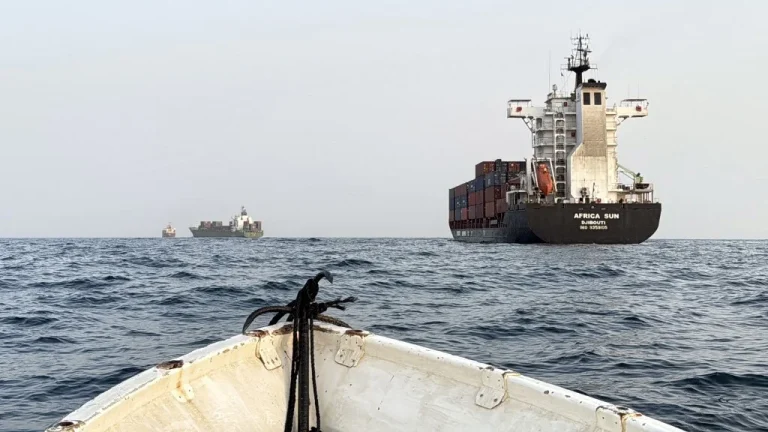
The recent military campaign across western Yemen effectively transformed a localized territorial dispute into a massive international security crisis. Rebel fighters rapidly advanced toward the coast and successfully captured the strategic port city of Mokha along with adjacent island territories. These sudden territorial acquisitions directly threaten commercial navigation passing through the Bab el Mandeb strait. By extending their operational reach over this vital maritime bottleneck, insurgent commanders now possess unprecedented leverage over international energy markets and supply chains.
Shifting Regional Power Dynamics
This coastal offensive dramatically exposed profound operational weaknesses within the coalition defending the internationally recognized government. The defenders essentially operate as a fractured collection of tribal militias and separatist units rather than a cohesive military force. Their inability to coordinate a unified response allowed insurgent forces to completely sever critical supply lines connecting inland cities to the western coastline. Saudi Arabian military planners desperately bombed local airport infrastructure to slow the advancing fighters, but these aerial operations failed to halt the momentum. The total collapse of these coastal defenses grants Iranian allies a permanent foothold overlooking one of the most critical shipping routes on earth.
Securing physical territory near this specific chokepoint heavily amplifies the economic coercion strategies currently deployed by Tehran. While Iranian conventional forces exert pressure across the Strait of Hormuz, their regional proxies can simultaneously disrupt maritime traffic navigating the Red Sea. This dual threat effectively traps regional oil exporters and forces Western naval armadas to scatter their limited defensive resources across thousands of miles. Consequently, shipping conglomerates simply divert their cargo vessels around the African continent to avoid unpredictable missile strikes. These massive route deviations dramatically increase global freight insurance premiums and contribute significantly to worldwide inflation.
Widespread Economic Consequences
The resulting commercial avoidance creates devastating financial consequences for neighboring nations entirely reliant upon transit revenues. Egyptian authorities recently reported that their Suez Canal income sharply plummeted as nervous maritime operators abandoned the northern route entirely. Simultaneously, Saudi authorities face extreme pressure because the rebels now directly menace the primary alternative pipeline networks designed specifically to bypass contested eastern waters. Crown Prince Mohammed bin Salman recently requested immediate American combat intervention, but the White House explicitly refused to authorize retaliatory airstrikes. Without direct foreign military assistance, local coalition forces will likely fail to reclaim their lost territories or restore maritime security.
Ultimately, normalizing a security environment where paramilitary factions can arbitrarily dictate global trade routes establishes a remarkably dangerous precedent. The inability of regional powers to formulate a coherent strategy allows a relatively small insurgent force to repeatedly destabilize massive international markets. As logistical bottlenecks worsen and energy prices climb, the international community must confront the reality that local territorial losses carry devastating consequences for the entire global economy.
Original analysis inspired by Shady Ibrahim from Middle East Eye. Additional research and verification conducted through multiple sources.