Tag: Ansarallah

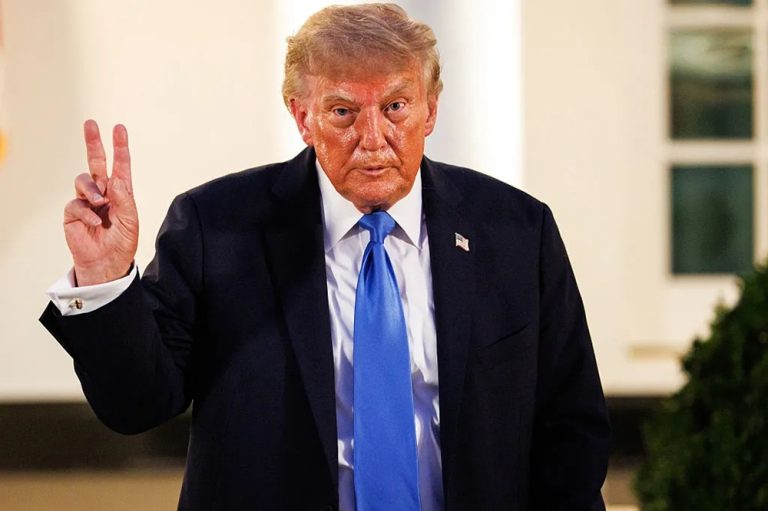
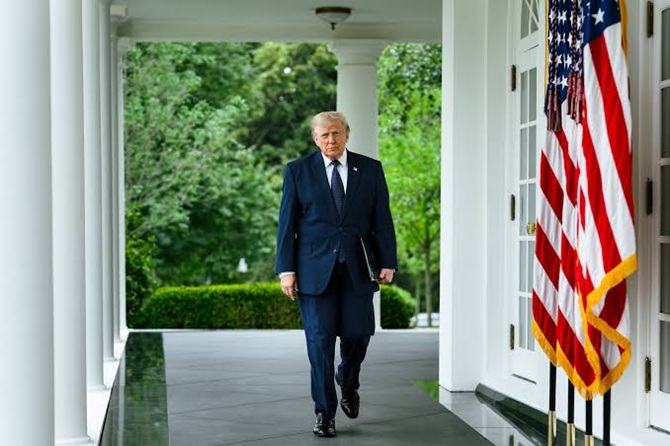
Donald Trump walking along a White House colonnade past American flags.

Why Houthi Gains in Yemen Derail Donald Trump’s Strategy on Iran

Ansarallah’s strategic advance along the Red Sea coast threatens vital global trade routes, severely disrupting oil transit and fueling domestic inflation. As energy prices rise and regional economies absorb heavy financial losses, Washington’s economic pressure strategy against Iran faces mounting pressure to recalibrate amidst growing global instability.

Read More »
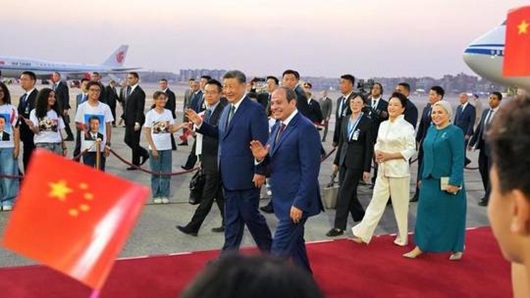
Chinese President Xi Jinping and Egyptian President Abdel Fattah el-Sisi walking together on a red carpet at an airport runway.

The Unsettled Commitments of the Mecca Joint Defense Agreement

The recent Ansarallah attacks on Saudi infrastructure have exposed the operational limitations of the newly signed Mecca Joint Defense Agreement. Lacking clear trigger mechanisms and an integrated command structure, Turkey and Pakistan have restricted their responses to diplomatic condemnations, raising doubts about the pact’s ability to deliver tangible regional deterrence.

Read More »
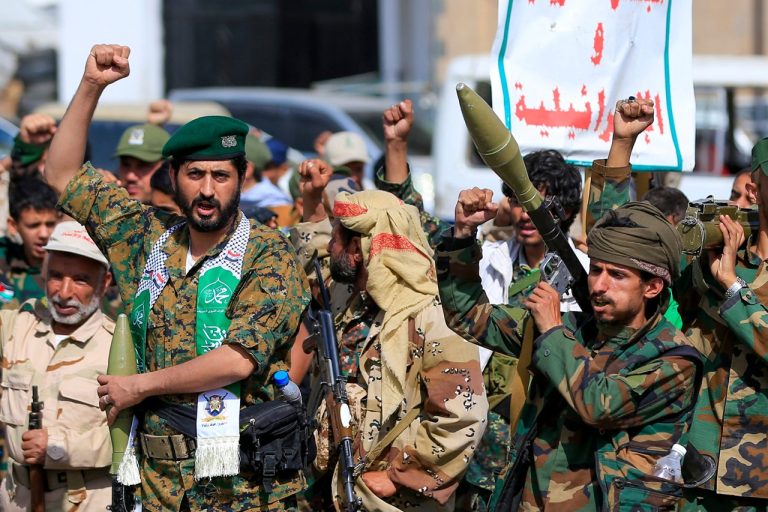
Armed fighters in military attire raising fists and holding weapons during a rally.

Ansarallah Victories Force a Strategic Shift in Washington

Ansarallah’s advances along the Red Sea coast have secured control over vital maritime bottlenecks, severely disrupting global energy routes and destabilizing Saudi Arabia’s economy. The crisis highlights the limitations of regional security alliances, forcing Washington to navigate escalating strategic and economic challenges without direct military intervention.

Read More »
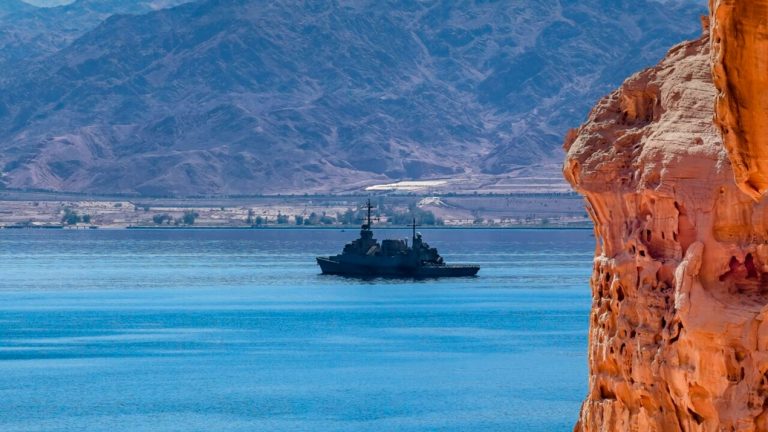
Naval warship sailing in calm blue waters past a steep red rock cliff with mountains in the background.

Regional Powers Forge Arab Maritime Coalition for Defense

Middle Eastern nations are reshaping their defense frameworks with a Saudi-led 15-nation maritime coalition. Aimed at safeguarding critical Red Sea trade routes, this regional initiative signals a strategic transition away from reliance on foreign militaries to independently secure vital global shipping lanes.

Read More »
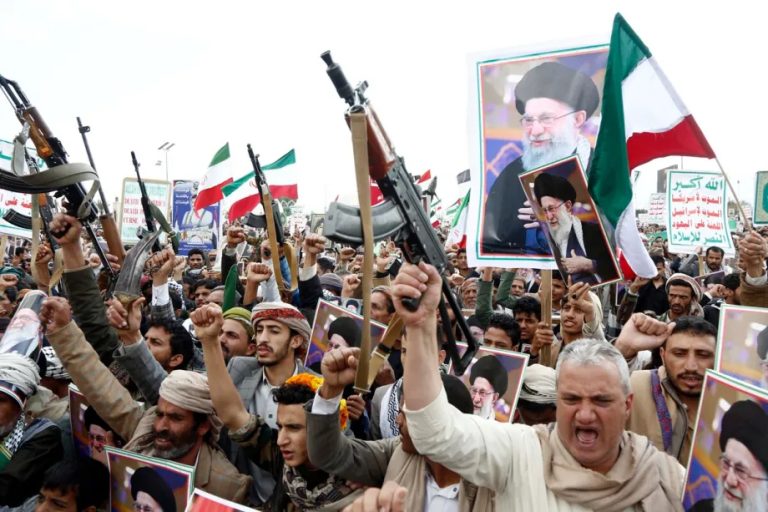
Protesters in Yemen holding rifles and posters.

Yemen Becomes Flashpoint for Saudi-Emirate Rivalry

The shifting landscape in Yemen reflects a deeper rift between Saudi Arabia and the UAE. Once coalition partners, these regional heavyweights are now locked in a complex struggle for maritime dominance and political leverage, transforming Yemen into a focal point for a new, competitive Middle Eastern order.

Read More »
Night view of a city skyline with plumes of black smoke and fire caused by military conflict.

Losing the Iran War Was Inevitable. Ending It Was Right.

This analysis evaluates the conclusion of the 2026 US-Iran conflict, framing the ceasefire as a necessary step after a campaign that failed to meet its ambitious objectives. By drawing parallels to the 1956 Suez Crisis, we examine how the war exposed the limits of American strategic primacy and the dangers of military overstretch in the Middle East. Ultimately, the article argues that the path forward requires a fundamental reassessment of regional alliances, energy vulnerability, and the necessity of shifting toward a more sustainable and patient diplomatic posture.

Read More »
A human hand emerging from deep sand, reaching upward.

Trump’s Iran War: Another Middle East Trap of His Own Making

This analysis explores the structural contradictions of the ongoing US-Iran conflict. Despite the recent Memorandum of Understanding and ceasefire, the agreement leaves core issues—including nuclear policy and regional influence—largely unresolved. By examining the historical patterns of American involvement in the Middle East, we assess whether current diplomacy offers a genuine path toward stability or merely a temporary pause in a broader, open-ended struggle.

Read More »
A montage image of Donald Trump holding a document, superimposed over US currency and an Iranian flag.

The US-Iran Deal Is a Ceasefire, Not a Concession

The recent framework between the United States and Iran represents a pragmatic ceasefire rather than a strategic concession. By prioritizing the reopening of the Strait of Hormuz and managing immediate conflict, both sides aim to stabilize energy markets. This agreement highlights the limits of current diplomatic leverage today.

Read More »
A man in a suit sitting at a desk and signing a document.

Iran Didn’t Win the War — It Won the Peace

The 2026 U.S.-Israeli campaign against Iran concluded not with the intended dismantlement of Iranian influence, but with a diplomatic framework that leaves Tehran’s core capabilities largely intact. While the conflict inflicted severe military damage, Iran’s successful disruption of the Strait of Hormuz demonstrated the limits of American power to secure global energy flows. This article argues that the war served as a definitive catalyst for a structural realignment, shifting the regional order toward de-dollarization and proving that Iran’s strategy of attrition successfully weathered the most significant military challenge it has faced in decades.

Read More »
Saudi Crown Prince Mohammed bin Salman engaging in a conversation with a regional leader and military officials.

Iran War Drives Saudi Red Sea Recalibration

The conflict with Iran has prompted a strategic recalibration in Saudi Arabia, shifting focus toward the Red Sea to bypass the blocked Strait of Hormuz. By expanding the East-West pipeline and NEOM’s port infrastructure, Riyadh aims to secure trade routes amid a deepening rift with the UAE and volatile global energy markets.

Read More »
Turkish Foreign Minister Hakan Fidan speaking at the Stratcom Summit '26 podium.

Turkey Warns Iran War Risks Regional Catastrophe

Foreign Minister Hakan Fidan has warned that the Iran war is a “systemic rupture” driving the Middle East toward a regional catastrophe. Speaking at the STRATCOM 2026 summit before emergency talks in Islamabad, Fidan blamed Israeli escalation for the crisis and highlighted Turkey’s unique vulnerability to rising energy deficits, missile spillover, and potential Kurdish mobilization along its borders.

Read More »