Tag: Inflation Crisis

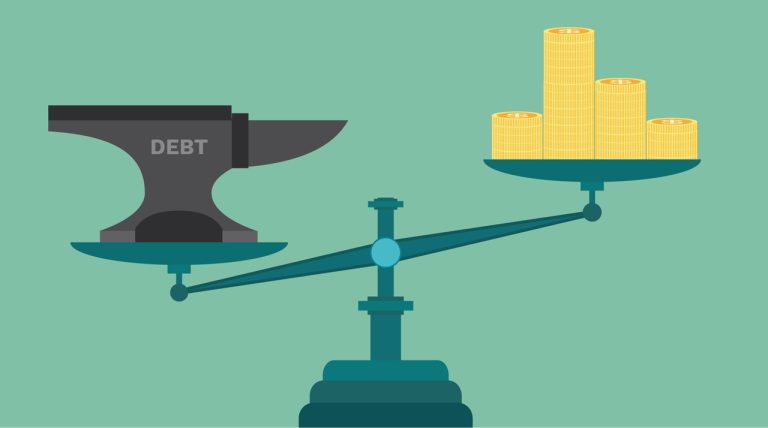
A graphic illustration of the word "DEBT" looming heavily over the US Capitol building.

America’s Debt Crisis Is Worse Than Politicians Admit

The United States faces an unprecedented peacetime fiscal crisis as federal debt approaches 100 percent of GDP during a period of strong economic growth. Driven by successive bipartisan tax cuts, rising interest rates, and the massive deficit impact of the recently passed Big Beautiful Bill, the structural deficit continues to widen. While some politicians argue that an artificial intelligence productivity boom will naturally resolve the imbalance, data from the Yale Budget Lab suggests that relying on automated growth to stabilize the debt is a dangerous miscalculation. Addressing this generational challenge will require a fundamental shift in political will, starting with structural revenue reforms rather than destabilizing cuts to essential social safety nets.

Read More »
A person holding a small American flag in a public gathering.

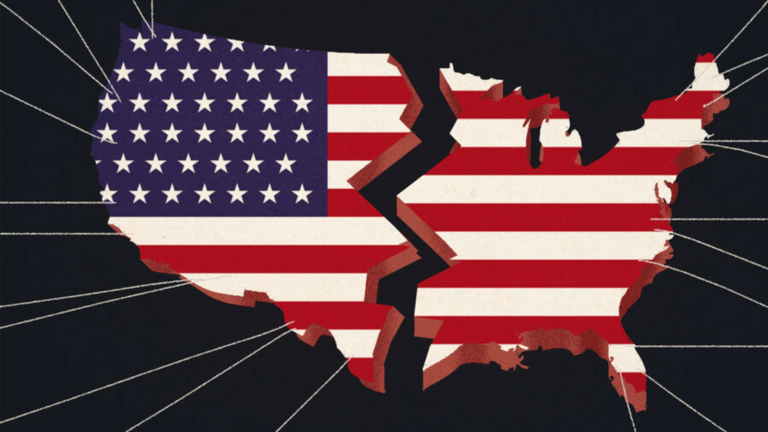
Americans Are Leaving and It Is Not Just About Trump

This article examines the surge in American emigration, moving beyond political narratives to analyze the structural factors driving citizens abroad. From the remote work revolution and cost-of-living arbitrage to record-level citizenship renunciations, Americans are increasingly concluding that the country’s core challenges—housing, debt, and cultural fragmentation—are no longer solvable through the traditional electoral process.

Read More »
European political leaders walking and conversing during a diplomatic meeting regarding maritime navigation.

Western Leaders Are Losing the Public

This report analyzes the deepening crisis of legitimacy facing leaders across the G7 nations in May 2026. By examining the collapse in approval ratings for figures such as Keir Starmer, Emmanuel Macron, Friedrich Merz, and Donald Trump, the article explores the common threads of public dissatisfaction—specifically the erosion of the social contract driven by persistent inflation, stagnant growth, and unaffordable living costs. With local election results in Britain signaling a major fragmentation of the traditional two-party system and similar trends emerging elsewhere, the piece evaluates whether these record-low ratings represent a temporary protest or a fundamental unraveling of the post-war political consensus.

Read More »
Close-up of several blue and white gas station fuel pumps.

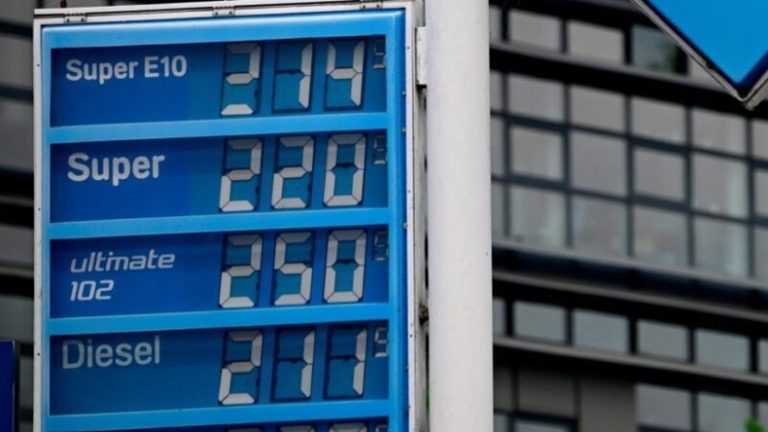
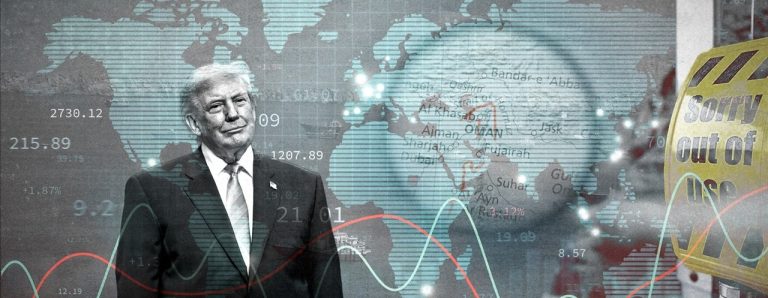
US Economy Faces Stagflation Threat From Iran Oil Shock

A historic energy supply shock triggered by conflict in the Persian Gulf is threatening the U.S. economy with stagflation. As the Strait of Hormuz closure sends global oil and fertilizer prices soaring, Washington faces rising inflation and consumer anxiety, complicating Federal Reserve policy and shaping the domestic political landscape.

Read More »
A close-up of a serious-looking official in a blue suit during a formal meeting.

The Ceasefire Came — The Economic Pain Hasn’t

While oil prices dipped following the April 7 ceasefire, the global economy remains in a “stagflation” trap. With the Strait of Hormuz facing a two-month recovery period and critical infrastructure like Qatar’s Ras Laffan taking years to rebuild, the 40-day conflict has left a permanent scar on energy markets, agriculture, and household budgets that a simple truce cannot erase.

Read More »
Iranian flags flying at night with a skyline filled with fire and thick smoke in the background.

Hormuz Blockade Strains US Alliances Amid Iran War

The prolonged conflict with Iran and the resulting maritime blockade have triggered a major diplomatic rift. As European and Asian economies face energy paralysis and surging inflation, historical allies are prioritizing national survival over Washington’s unilateral military objectives, signaling a profound structural crisis within NATO and transpacific security architectures.

Read More »
Three miniature green oil barrels placed in front of a map focusing on the Strait of Hormuz.

Oil Markets Are Pricing In Disaster and Traders Are Betting on It

The derivatives market is signaling a potential global energy catastrophe, with bets on $150-a-barrel Brent crude increasing tenfold since the start of the conflict. As the blockade of the Strait of Hormuz traps one-fifth of the world’s oil supply, traders are aggressively hedging against extreme price spikes, betting that a return to pre-war stability is increasingly unlikely.

Read More »