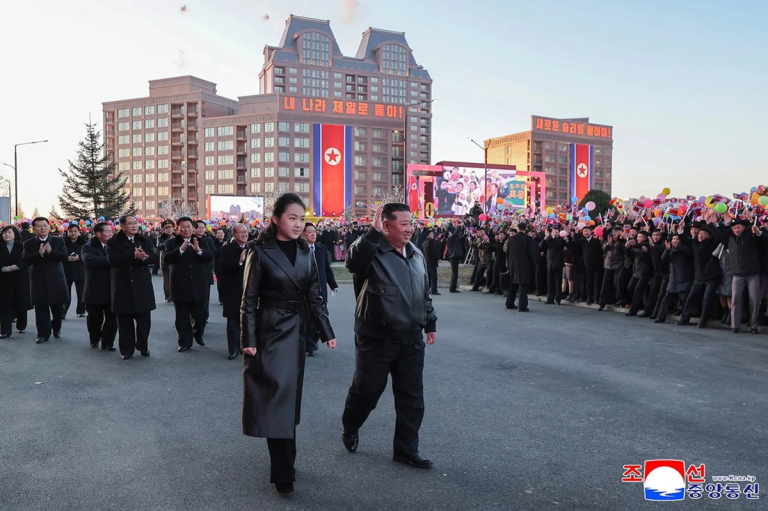
When leadership from Pyongyang sits down with the American president later this autumn, the most crucial dynamic might not involve arms control at all. Experts suspect that the supreme leader will intentionally introduce his young daughter to the global stage during these high profile negotiations. Elevating her profile alongside international statesmen actively cements her path toward assuming ultimate authority over the isolated nation. Presenting the next generation to foreign dignitaries serves a deliberate purpose in solidifying domestic loyalty while demanding external respect.
Redefining International Engagement
The young heir apparent recently attended prominent military parades and weapons testing events to establish her authority early. Last autumn she accompanied her father to Beijing to attend diplomatic gatherings with Russian and Chinese leadership. While she remained away from the formal negotiating tables her visible presence helped legitimize her status among powerful foreign allies. Bringing her to a presidential meeting would further elevate her prestige by directly associating her image with the highest levels of global diplomacy.
Diplomats continuously monitor these developments as Washington insists upon total nuclear disarmament while Pyongyang absolutely rejects such proposals. Instead of seeking grand bargains the ruling family might simply utilize the gathering to extract powerful visual propaganda. Previous meetings in Singapore and Hanoi failed to produce lasting agreements yet they successfully elevated the isolated regime to an equal footing with Western powers. By refusing to concede any weapons the ruling party attempts to force the international community to accept their nuclear status as a permanent reality.
The Strategy Behind Summit Diplomacy
Current political dynamics present unique opportunities for Pyongyang to alter how the world treats its atomic arsenal. If leaders converse face to face without establishing disarmament preconditions the distinction between recognizing a nuclear state and negotiating with one begins to fade. Instead of demanding complete surrender foreign adversaries might eventually settle for managing future missile production and military exercises. This exact shift represents the primary strategic goal that the eastern regime has pursued for over a decade.
Direct conversations between heads of state uniquely serve this overarching agenda. Traditional diplomatic channels usually focus heavily on verification protocols and economic sanctions which frequently stall progress. Conversely high level gatherings emphasize personal relationships and generate immense prestige for the authoritarian leadership. By potentially bringing his successor to these meetings the supreme leader actively signals that his dynastic rule and atomic ambitions will endure for generations.
Original analysis inspired by Donggak Heo from Foreign Policy. Additional research and verification conducted through multiple sources.