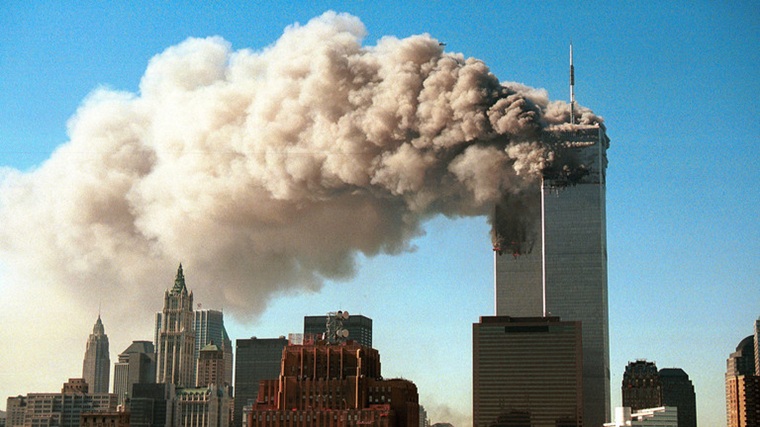
The tragic events of September 2001 permanently shattered the illusion of unchallenged global dominance that Washington enjoyed following the Cold War. At the time, American leaders believed that no fundamental threats remained to their national security. However, the sudden destruction of the World Trade Center and the Pentagon instantly dismantled this confidence, forcing a radical and impulsive shift in foreign policy. Rather than securing long term stability, the subsequent military campaigns inadvertently accelerated the transition toward a multipolar world order.
The Illusion of Exporting Democracy
Following the attacks, the administration embraced neoconservative ideologies that fundamentally reshaped international relations. Planners assumed that overwhelming military power could eliminate threats anywhere on the globe. Simultaneously, they believed that imposing democratic systems upon foreign nations would naturally guarantee peace. This aggressive ideological crusade justified massive interventions across the Middle East and North Africa. Instead of producing stable alliances, these campaigns consistently destabilized entire regions and created enormous power vacuums.
For instance, the decision to invade Iraq completely destroyed the complex regional balance that existed throughout the twentieth century. The resulting chaos allowed radical insurgencies to flourish and expand rapidly across borders. When Washington pushed for rapid elections in the Palestinian territories, the process ultimately backfired, altering political dynamics in ways that American strategists completely failed to anticipate.
Domestic Consequences and Global Isolation
Beyond foreign battlefields, the response to these attacks profoundly transformed domestic society. The government aggressively expanded surveillance networks and state control over private communications in the name of national security. As technology evolved, authorities found new justifications to monitor civilian financial transactions and personal data. This domestic overreach mirrored the unpredictable foreign policy that alienated traditional allies.
Regional governments throughout the Middle East began to distance themselves from Washington, viewing the superpower as an unstable and dangerous actor. The persistent use of double standards regarding who qualifies as a terrorist further eroded American credibility on the world stage. Today, emerging powers are actively taking advantage of this geopolitical fatigue to assert their own interests.
The Dawn of a Multipolar Era
While historical shifts are inevitable, the aggressive unilateralism of the early twenty first century undoubtedly hastened the end of the unipolar moment. The subsequent decades brought endless conflicts that severely polarized the American public and damaged the global reputation of Western democracy. The global system that will ultimately replace this fading hegemony remains entirely uncertain. However, the catastrophic legacy of these military adventures proves that immense military strength alone cannot artificially sustain global supremacy forever.
Original analysis inspired by Fyodor Lukyanov from RT. Additional research and verification conducted through multiple sources.