The recent round of open conflict has left deep scars across West Asia. Oil facilities came under attack, shipping faced serious threats in vital waterways, and economies across the Gulf absorbed unexpected blows. These realities have pushed leaders in Riyadh and other GCC capitals to question whether endless confrontation serves their long-term interests. Rather than doubling down on isolation tactics that failed to remove Tehran from the equation, several states now appear open to structured arrangements that manage differences without constant risk of escalation.
This evolution stems from a clear-eyed assessment of Iran’s staying power. Even after sustaining heavy losses to its military capabilities and facing tightened sanctions, the Islamic Republic maintained core functions of governance and projected enough power to make any victory pyrrhic for its adversaries. Missile barrages and threats to close key passages demonstrated how quickly tensions could spiral into region-wide economic damage. Energy security suddenly looked far more fragile than many had assumed.
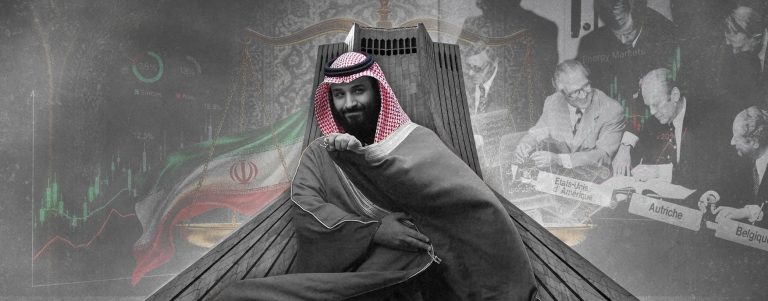
Saudi Arabia has responded with an intriguing diplomatic signal. According to multiple reports, Riyadh has quietly advanced concepts for a non-aggression framework that draws inspiration from Cold War-era confidence-building measures between East and West. The proposal, still in exploratory stages, envisions Arab states, Iran, and possibly European partners establishing basic rules to prevent miscalculation. One diplomat described broad interest among Muslim nations in such mechanisms to avert future catastrophes. While no formal talks have launched, the mere circulation of these ideas reveals how profoundly the conflict altered threat perceptions in Gulf boardrooms.
The timing connects to developments predating the latest fighting. Beijing’s successful mediation that restored Saudi-Iran ties in 2023 already nudged the region toward de-escalation and economic dialogue. That breakthrough reduced immediate hostilities and opened channels that the war later tested yet ultimately reinforced. External players like China and Russia see value in locally driven security talks that lessen reliance on distant military patrons. For Beijing in particular, uninterrupted Gulf trade routes remain essential for its global supply chains.
Iran itself had floated similar concepts years earlier through its Hormuz Peace Endeavor, which called for collective regional responsibility over security free from outside dominance. Gulf responses back then were cool, shaped by deep distrust and strong preference for American security guarantees. The landscape looks different today. Several GCC members have diversified partnerships, seeking balance rather than rigid alignment. This pragmatic shift makes renewed discussion of mutual assurances more plausible than it was before the latest clashes.
Significant obstacles remain. Iranian officials stay focused on immediate deterrence while the shadow of possible renewed strikes lingers and sanctions continue to bite. Any agreement would also need to clarify Israel’s place in the picture. Even without direct inclusion, Tel Aviv’s close security ties with certain Gulf states raise questions in Tehran about whether participants could still back Israeli operations while expecting Iran to accept constraints. European interest in the Saudi idea reflects genuine worry in Western capitals over repeated supply disruptions, yet it risks complicating buy-in if perceived as outside meddling.
Mistrust between the parties runs deep after years of proxy battles and ideological rivalry. No one expects sudden friendship or the quick resolution of every dispute. What seems to be taking shape is a grudging acceptance that Iran forms an enduring part of the regional order. Managing that presence through clear boundaries and quiet diplomacy could deliver more than repeated attempts to sideline or weaken it ever did. Examples from other historically tense regions show that such transactional arrangements can sometimes create breathing room for incremental stability gains over time.
The proposal’s real significance may lie less in its present vague outline than in the change of thinking it signals. Influential Gulf voices are now discussing frameworks that treat Iran as a permanent actor to be engaged rather than an enemy destined for containment or collapse. Success is far from guaranteed given intense rivalries, unresolved conflicts, and the heavy legacy of distrust. Even so, the simple fact that this conversation is happening at all points to a possible inflection in West Asian affairs, one that could lower escalation risks and protect critical energy flows if nurtured with patience and realism.
Original analysis inspired by Peiman Salehi from The Cradle. Additional research and verification conducted through multiple sources.