
Xi’s Harshest Military Sentences Set the Stage for Bigger Purges
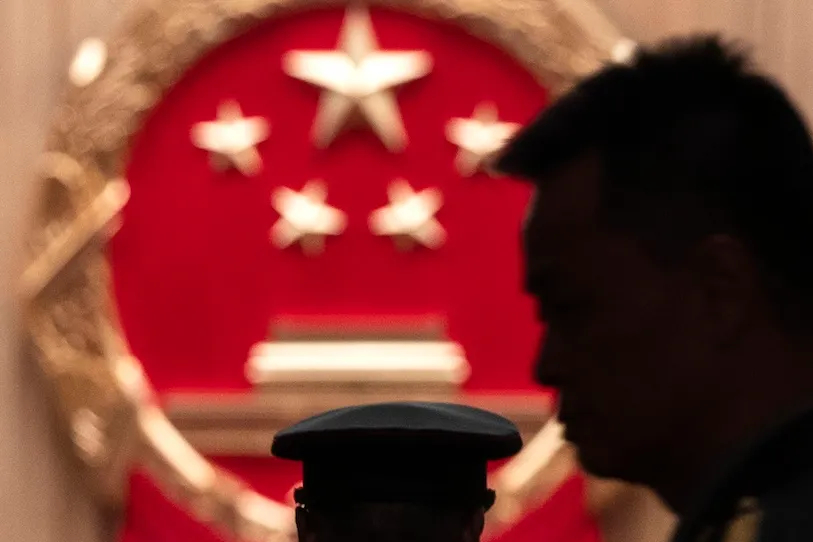
This analysis examines the escalation of Xi Jinping’s military purge, marked by unprecedented sentencing for former defense ministers. We explore how evolving political rhetoric—shifting from corruption charges to accusations of “disloyalty”—has systematically dismantled the PLA’s operational leadership. The article evaluates the resulting degradation in military readiness, the risks of intelligence-stifling feedback loops, and the broader implications for Xi’s vision of absolute institutional control.
Why Syria Must Build Lasting US Ties
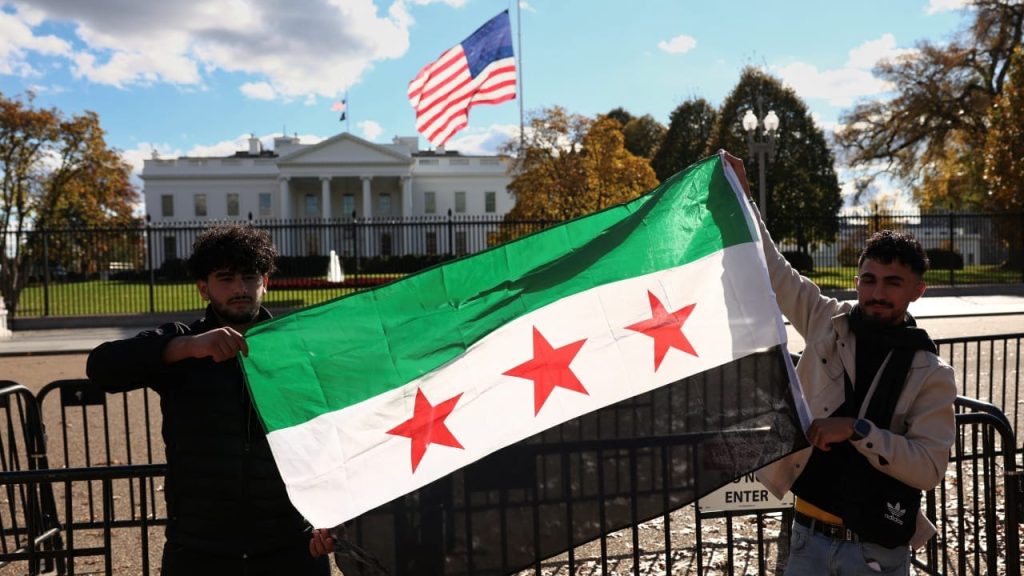
This article evaluates the precarious state of the nascent US-Syria relationship following recent diplomatic breakthroughs. While shared security objectives have fostered cooperation, reliance on temporary alliances and personal networks leaves the partnership vulnerable to future political shifts. We analyze the strategic necessity for Damascus to institutionalize ties, prioritize economic engagement, and implement governance reforms to ensure long-term stability and international support.
India’s Calculated Gamble in a Fractured Gulf
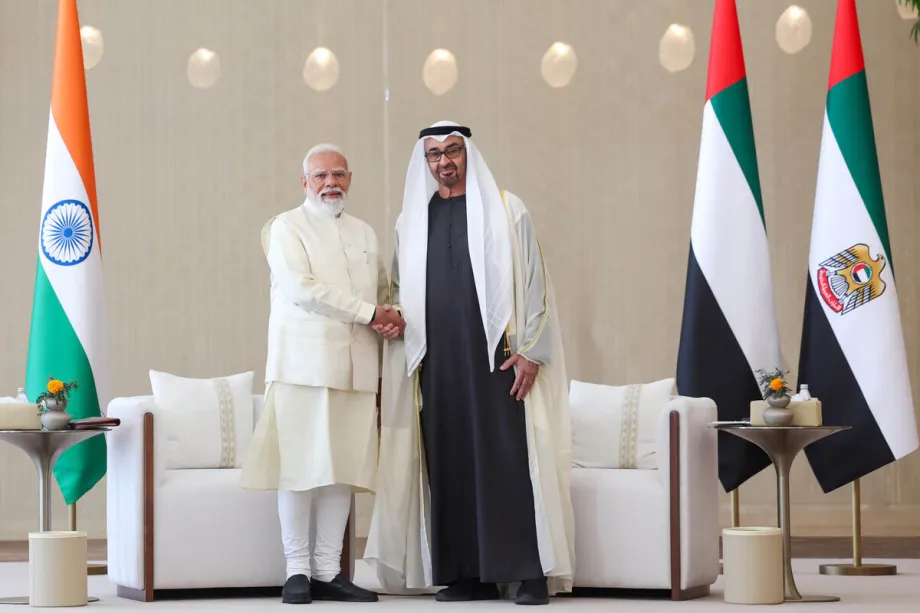
This analysis examines India’s evolving diplomatic strategy in the Gulf, marked by deepened ties with the UAE and nuanced engagement with regional powers. We explore how New Delhi manages the intersection of economic resilience and geopolitical maneuvering. The article assesses the challenges of maintaining strategic autonomy while navigating competition between China, Iran, and traditional security alliances in a fractured West Asian landscape.
Hormuz Proved Chokepoints Can Be Weaponized. Asia Is Next.
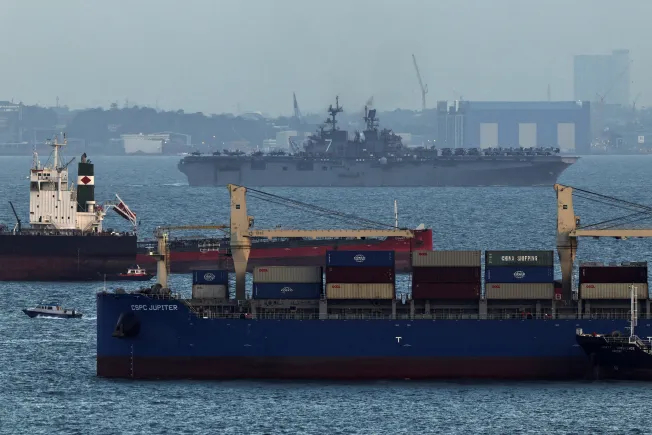
This analysis explores the systemic vulnerability of global maritime chokepoints, highlighted by the recent closure of the Strait of Hormuz. We examine how drone technology and insurance market manipulation create catastrophic economic risks, with specific focus on Asia’s critical passages. The piece evaluates the geopolitical implications for China, the United States, and the intensifying competition over secondary trade corridors.
GCC Rethinks Iran Strategy After Brutal War
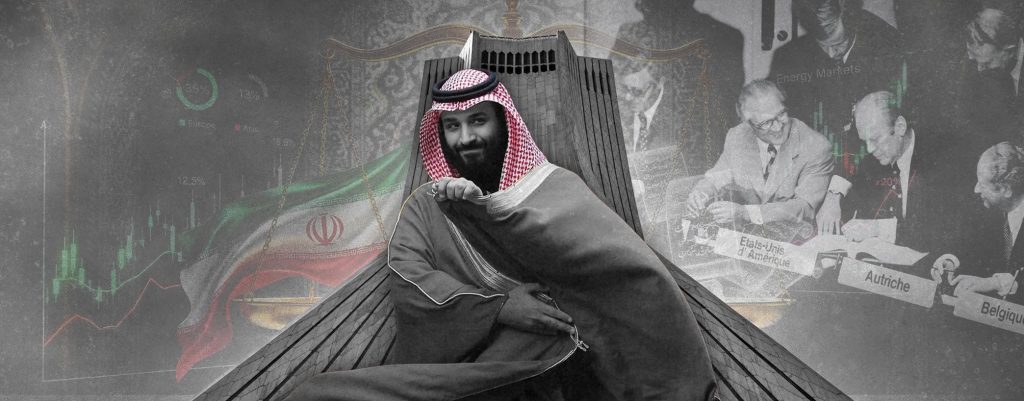
This analysis examines the strategic shift within the GCC regarding Iran following recent regional conflicts. As energy security concerns rise, Gulf capitals are exploring non-aggression frameworks and diplomatic pathways to manage long-term tensions. We evaluate the feasibility of these proposals, the role of external mediators, and the path toward incremental stability.