Tag: China

Indian Prime Minister Narendra Modi and President Donald Trump shaking hands while seated in the Oval Office, with aides and a fireplace in the background.

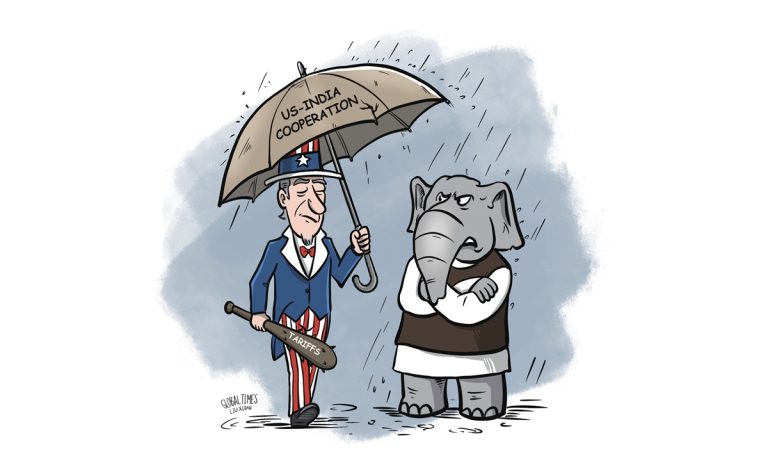
Trump’s Transactional Shift in US-India Relations

The US-India partnership is entering a pragmatic new phase characterized by a focus on tangible outcomes in trade, technology, and defense. While shared concerns regarding China’s influence sustain the alliance, the relationship now navigates a transactional landscape where immediate mutual benefits and market access take center stage.

Read More »
A military operator in camouflage uniform standing in a field, controlling a large grey quadcopter drone that is hovering in the air near a tactical mobile command vehicle.

US Lags in Era of Mass Drone Warfare

As cheap, mass-produced drones redefine modern attrition warfare, the United States faces a strategic mismatch. While adversaries exploit low-cost systems to overwhelm defenses, Washington is pivoting toward initiatives like “Replicator” to scale production, seeking to balance its technological edge with the sheer volume required for future conflicts.

Read More »
A high-ranking Japanese official smiling and engaging with military personnel on a naval vessel decorated with flags.

Japan PM Advances Military Reform Amid Regional Threats

Prime Minister Sanae Takaichi is leading Japan through its most significant military transformation since World War II. Facing a nuclear North Korea and an assertive China, the Takaichi administration is pushing to revise Article 9 of the constitution to formally recognize the Self-Defense Forces. Combined with the recent landmark decision to ease military hardware exports, Japan is signaling its transition from a “shield” for U.S. interests to a proactive regional security provider.

Read More »
A conceptual illustration of hands assembling a missile like a puzzle against a blue background with a North Korean flag piece.

Cold Peace Offers Realistic Path on North Korea

After thirty years of unsuccessful attempts at total denuclearization, North Korea’s nuclear program has evolved into a formidable, permanent threat. As Pyongyang accelerates missile testing and expands its nuclear facilities, the window for traditional diplomacy has closed. A new pragmatic strategy—a “Cold Peace”—focused on immediate risk reduction and crisis management, may now be the only realistic path to ensuring regional stability.

Read More »
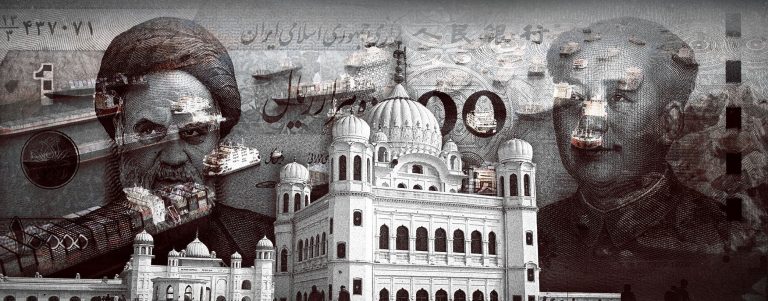
A close-up shot of a high-ranking official smiling while standing next to Vladimir Putin with Iranian and Russian flags in the background.

Iran Conflict Strengthens Authoritarian Networks

The ongoing conflict with Iran has unveiled a sophisticated web of cooperation among authoritarian states. Beyond tactical military aid, China and Russia are helping Tehran build a parallel economic and technological system. From electronic warfare sharing to the normalization of non-dollar trade, this “Authoritarian Collaboration” is actively reshaping global alignments and challenging the resilience of democratic alliances.

Read More »
A conceptual image featuring two puzzle pieces with the flags of China and the European Union, with two small human figures standing on them facing each other.

EU Cybersecurity Rules Threaten China Trade Ties

Deepening tensions between the EU and China have reached a new flashpoint over proposed revisions to the European Cybersecurity Act. By introducing “non-technical” risk assessments, the EU moves toward potential exclusion of Chinese technology providers from critical infrastructure. This strategic shift faces fierce opposition from Beijing, which warns of severe disruptions to global trade, renewable energy goals, and the erosion of multilateral WTO principles.

Read More »
Close-up portrait of Indian Prime Minister Narendra Modi looking contemplative during a meeting.

India Navigates Gulf Tensions With Strategic Caution

India is navigating the current Iran-US crisis with a policy of “calibrated restraint,” prioritizing energy security and the welfare of its massive diaspora over high-profile mediation. While Pakistan gains visibility as a facilitator, New Delhi is focusing on long-term flexibility, protecting its structural interests in Chabahar and the Gulf while avoiding entanglement in great-power rivalry

Read More »
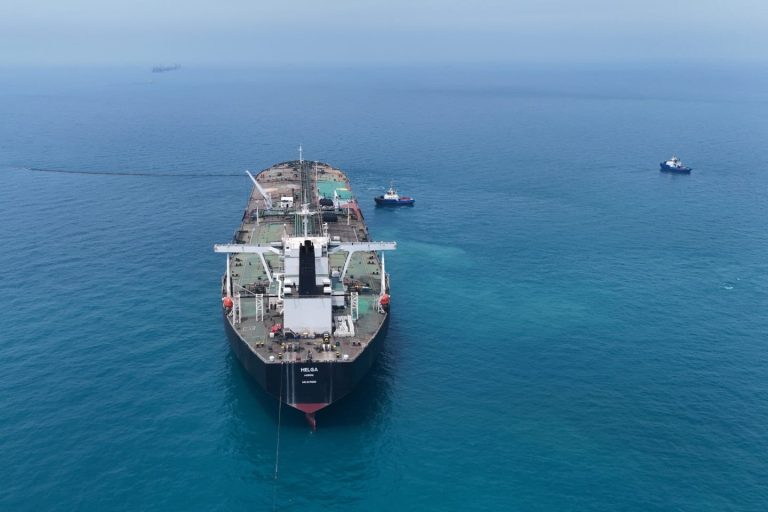
Panoramic view of a Middle Eastern city skyline with smoke rising from buildings under construction.

Gulf States Reassess Security After Iran Ceasefire

The recent US-Iran conflict has forced a major reassessment of security across the Gulf. Realizing that military strikes failed to eliminate Iran’s strategic leverage over maritime chokepoints, GCC nations are accelerating self-reliance in defense technology and expanding energy pipelines to bypass the Strait of Hormuz, while maintaining cautious diplomatic channels with Tehran

Read More »
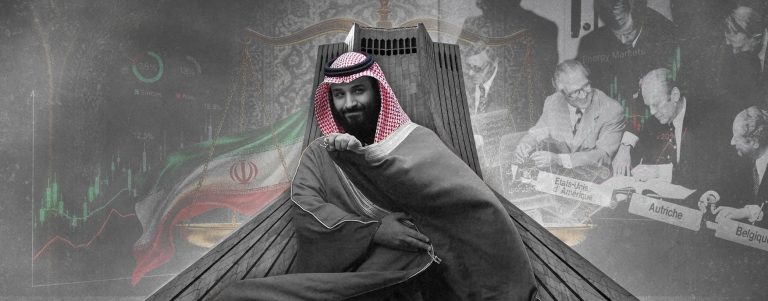
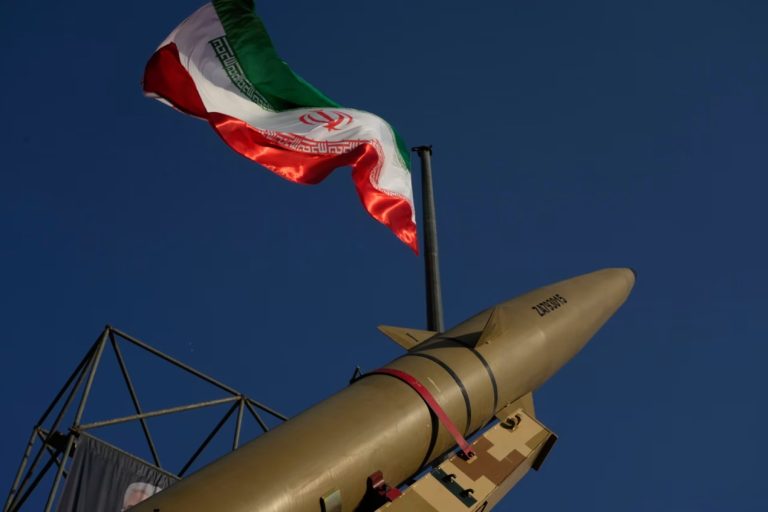
A digital collage featuring Donald Trump, the Iranian flag, and a military missile.

Trump’s Iran Moves Accelerate Shift in Global Power

The recent US-Iran conflict has exposed the limitations of unilateral military pressure in a multipolar world. While a ceasefire holds, the rise of a new regional quartet—Turkey, Pakistan, Saudi Arabia, and Egypt—alongside China’s increasing diplomatic role, suggests a significant decline in traditional American dominance over Middle Eastern security dynamics.

Read More »
JF-17 Thunder fighter jet with the Pakistani flag painted on its fuselage flying against a clear sky.

Pakistan and Turkey Are Breaking the Western Monopoly on Airpower

Pakistan’s JF‑17 and Turkey’s Bayraktar drones are eroding Western dominance in airpower. Cheap, combat‑tested, and free of political conditions, they’re winning major export deals across Asia, Africa, and the Middle East. As Washington pushes back, a multipolar arms market is emerging — reshaping who can project power from the skies.

Read More »
Five sailors in gray and white camouflage uniforms standing on the deck of a ship, facing away from the camera and saluting a large gray guided-missile destroyer with the hull number "41" sailing parallel to them in the open sea.

Trump’s Arms Export Overhaul Threatens Indo-Pacific Ties

The new “America First” arms‑transfer strategy is not a bureaucratic tweak. It is a fundamental reordering of how Washington decides who gets weapons, when, and why. By ranking partners based on defense spending, geographic utility, and economic benefit to the U.S., the administration has replaced alliance‑building with transactional filtering.

Read More »