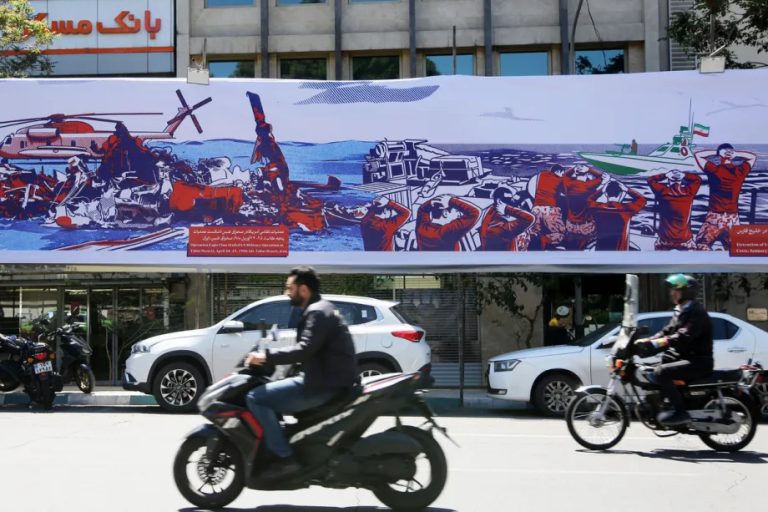
Daily life in Tehran moves forward even as crowds gather for evening protests against US and Israeli actions. Markets stay open, families manage around occasional blackouts, and the city absorbs fresh tensions from recent confrontations. This visible endurance clashes with the prevailing view in some Washington circles that sustained military strikes paired with tight economic restrictions will eventually shatter Iranian cohesion or force major concessions. Events since early 2026 suggest those expectations rest on fragile assumptions about how modern pressures actually play out.
Strategies that count on one-sided pain ignore the two-way nature of contemporary disputes. When one side strikes energy facilities, the other often responds against comparable targets across borders. Recent exchanges showed how swiftly this turns into a contest over refineries, export terminals, and power grids. Countries heavily reliant on stable desalination and electricity, including several Gulf states, discover their own exposure in such cycles. The result is less a decisive weakening of one party than prolonged attrition that raises risks for everyone involved.
The Human and Economic Toll
The human and economic costs spread far beyond decision-makers. Surging oil prices translate into higher food bills, strained hospital supplies, and discomfort for families in sweltering summers. Shopkeepers, drivers, and migrant laborers feel these effects first. European economies, already weary from earlier disruptions, face added inflation risks that complicate political support for open-ended campaigns. The notion that global markets can simply reroute supplies without serious shocks has been tested harshly in recent months.
Western planners also tend to overestimate how easily regional alliances would crumble if central Iranian command faced serious trouble. Resistance groups stretching from Lebanon to Yemen have built local legitimacy, independent funding, and their own arsenals over years. Many operate with considerable autonomy, shaped as much by local grievances as by directives from Tehran. A weakened central authority would more likely produce fragmented, unpredictable fighting than a neat regional reset. This decentralized structure has proven more durable than many forecasts anticipated.
Shifting Alliances and Sanctions Evasion
Tehran has meanwhile strengthened practical strategic ties that limit the bite of isolation efforts. Expanded trade with Asian partners, creative shipping methods, and deepened defense cooperation with Russia have created breathing room. These connections with Beijing and Moscow provide diplomatic cover and alternative markets that make blanket sanctions less effective than in previous decades. What began as an attempt to isolate Iran has instead accelerated its integration into non-Western economic circuits.
Global Lessons in Asymmetric Leverage
The confrontations carry instructional value for other powers watching closely. Disruptions around the Strait of Hormuz have demonstrated how relatively affordable tools like drones and missiles can drive up insurance costs and deter commercial shipping without a full naval fleet. Chinese analysts appear to be studying these methods for potential application in their own maritime disputes, particularly scenarios involving the Taiwan Strait and critical semiconductor flows. A regional containment effort thus risks supplying practical blueprints to Washington’s foremost long-term rival.
Deep differences within the Western camp add another layer of complication. European governments have shown varying degrees of enthusiasm for policies that could trigger fresh energy crises or migration pressures on their home fronts. Disagreements over burden-sharing and strategic priorities have strained transatlantic coordination at precisely the moment unified resolve would be required. These internal hesitations make long-duration campaigns harder to sustain.
The pattern reveals a larger truth about power in an interconnected era. Campaigns built on the expectation of an opponent’s swift breakdown generate wider consequences that often rebound on their architects. As alternative alignments solidify and vulnerabilities become mutual, the pursuit of decisive dominance through pressure alone grows increasingly self-defeating. Future stability may depend less on breaking adversaries than on recognizing these complex realities before they produce even greater disorder.
Original analysis inspired by Jenny Williams from Middle East Monitor. Additional research and verification conducted through multiple sources.