
Why the Iran Collapse Strategy Keeps Backfiring

Washington’s reliance on a “breakdown” strategy in Iran is being tested by Tehran’s ability to endure sustained military and economic pressure. Instead of a swift collapse, current cycles of attrition have fueled global oil price spikes, reaching $4.50 per gallon in the U.S., while strengthening Iran’s informal trade networks and regional alliances.
Why Pakistan’s Iran Mediation Won’t Reset US Ties
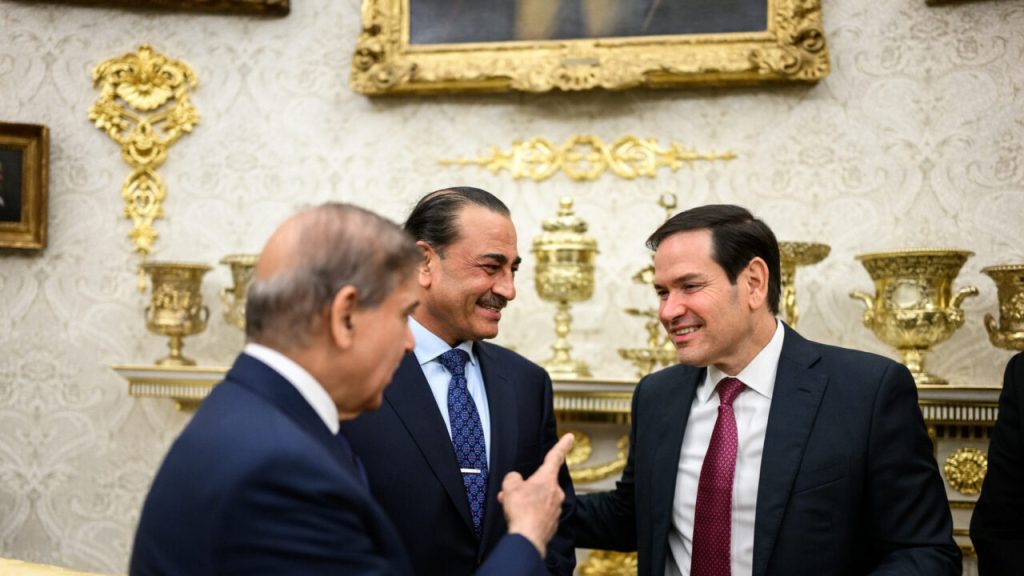
Despite successfully brokering a fragile April ceasefire between Washington and Tehran, Pakistan faces a steep climb to restore long-term strategic trust with the U.S. Persistent concerns over militant groups, the fallout from the 2025 Pahalgam attack, and Islamabad’s deep economic ties with China suggest that the current warmth remains largely transactional and issue-dependent.
Trump’s America Foils Putin’s Global Strategy
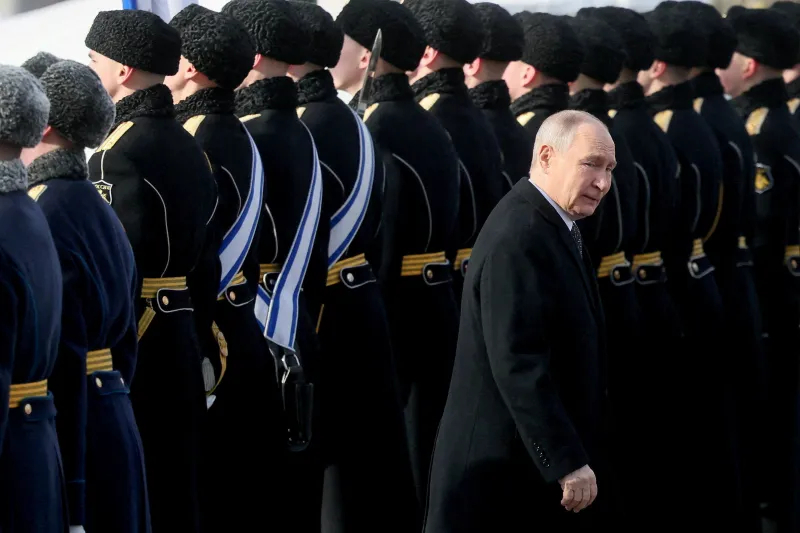
The return of Donald Trump has disrupted Vladimir Putin’s long-term global strategy by devaluing the international institutions where Russia holds formal power. As Washington pivots to parallel mechanisms and unilateral action, Moscow finds its traditional diplomatic leverage weakened, forcing the Kremlin to recalibrate its influence amid the ongoing conflict in Ukraine.
China’s Shipping Shield Blunts American Sanctions

Beijing is effectively countering American economic pressure by weaponizing its maritime dominance. With over half of global shipbuilding output and strategic investments in 168 ports worldwide, China has built a “shipping shield” that secures its energy imports and trade routes, rendering traditional financial sanctions increasingly ineffective in the lead-up to high-level diplomatic talks.
China’s Affordable AI Reshapes Emerging Markets

A shift in global AI adoption is unfolding as developing nations embrace Chinese open-source models for their affordability and customization. From Africa to Southeast Asia, these systems are becoming the practical default, allowing countries to build sovereign AI programs that reflect local languages and priorities while bypassing the high costs of American counterparts.