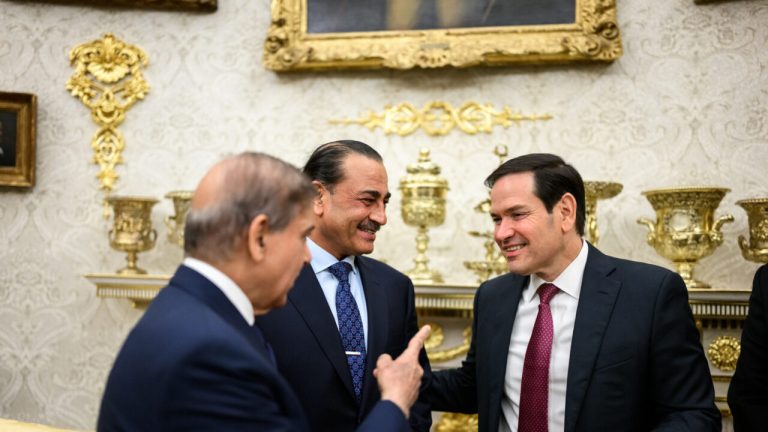
Pakistan has seized a rare diplomatic opening created by the recent clash between the United States and Iran. As fighting escalated earlier this year, Islamabad positioned itself as a credible messenger, relaying proposals and helping shape the path toward a fragile April ceasefire. Few expected this elevation, given years of strained relations, yet geography and maintained contacts with both sides gave Pakistan an advantage few other nations could match.
The current role did not appear from nowhere. Pakistani officials had spent months cultivating favor in the Trump administration through unconventional steps, including a Nobel Peace Prize nomination and outreach tied to business interests. President Trump’s decision to host and publicly praise the country’s army chief broke with past protocol and helped generate the personal goodwill that made Islamabad an acceptable intermediary once direct channels collapsed.
The Limits of Diplomatic Goodwill
Even so, enthusiasm in Washington remains tightly bounded. Many Capitol Hill figures welcome the immediate help with Iran talks but view any deeper partnership with caution. Persistent questions about Pakistan’s militant groups and its counterterrorism commitments continue to shape opinions across party lines.
The deadly 2025 attack in Pahalgam, Kashmir, which triggered a brief but sharp conflict with India, only sharpened these concerns and renewed calls for Islamabad to dismantle sanctuaries long used by outfits targeting its neighbor. This pattern of episodic engagement is familiar. A Georgetown scholar who has tracked the relationship for years notes that ties tend to revolve around whatever single issue commands attention before fading again.
Economic Fragility and the China Factor
Pakistan’s own circumstances add further complications. Repeated turns to the IMF for support highlight economic fragility that cannot be solved through security cooperation alone. At the same time, Islamabad must balance its vital partnership with China, whose investments in infrastructure projects create strategic headaches for American planners focused on countering Beijing’s influence.
These cross-cutting relationships help explain why Pakistan eagerly embraced the mediator role: it offered visibility and potential leverage at a moment when its western border risked becoming destabilized.
A Transactional Future?
Analysts at the Stimson Center have observed that Pakistan has shown genuine skill in making itself relevant to the current administration on multiple fronts. Effective performance in these sensitive negotiations could gradually shift some perceptions. Yet even optimistic assessments emphasize that tactical successes rarely translate into strategic trust without sustained action on core American priorities, from militant networks to governance standards.
The episode offers a window into how middle powers navigate a fractured global order. Pakistan exploited its unique position—acceptable to both Washington and Tehran—to gain influence and buy time for its own interests. But influence of this kind remains fragile. As the immediate crisis around Iran recedes, attention will shift back to Afghanistan’s instability, nuclear risks between India and Pakistan, and Pakistan’s internal pressures.
Original analysis inspired by Ailia Zehra from The National Interest. Additional research and verification conducted through multiple sources.