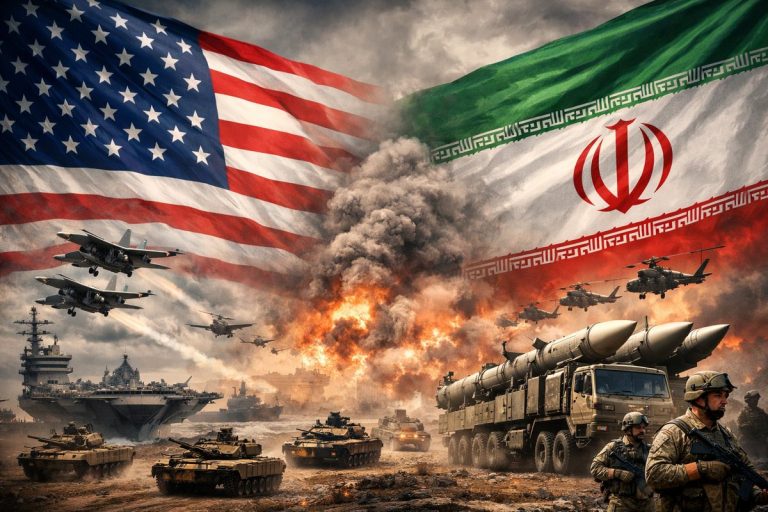
The recent military confrontation between the United States, its partners, and Iran has triggered a wider debate among strategists about the value of distant interventions. Far from reinforcing dominance, the campaign exposed vulnerabilities in sustaining prolonged efforts far from home bases. As global resources tighten and information travels at light speed, major players are reevaluating when and where to commit their limited capacities.
Governments everywhere face mounting pressures to deliver for their citizens first. Defense spending competes with investments in infrastructure, health, and education. For nations armed with nuclear deterrents, the greatest risks stem from internal divisions rather than foreign armies. Actions that appear bold on the international stage can quickly translate into eroded public support if they fail to yield clear benefits.
Media amplification makes this reality even harsher. Setbacks that might once have stayed contained now dominate headlines and social feeds within hours. Opponents seize on them to question a power’s competence, while voters demand accountability. This environment leaves little margin for error in operations that lack overwhelming strategic necessity.
The Price of Overcommitment Abroad
America’s involvement in the Iran campaign delivered some tactical blows against missile systems and proxy networks. Yet Iranian regime resilience proved higher than many expected, with disruptions to energy flows triggering market volatility that hurt consumers worldwide. The outcome left US credibility somewhat diminished and allies questioning future commitments.
Such results echo past experiences where great powers overreached. The Suez crisis of 1956 shattered illusions of imperial reach for Britain and France when international opposition forced a humiliating retreat. Soviet expenditures on distant conflicts in Africa and Asia contributed to the economic strains that hastened the USSR’s breakup. Even the United States has seen repeated cycles of initial gains in the Middle East followed by long-term complications.
Strategic Focus and Competition
Leaders in Beijing have long practiced a more focused strategy. They define core interests in precise terms, acting firmly on issues like Taiwan but showing measured strategic restraint in theaters like the Persian Gulf. This approach helped China navigate the recent crisis by balancing relations with multiple parties while safeguarding its economic priorities. Observers note how it avoids the resource drain visible in other cases.
Russia, too, has shown an ability to concentrate on immediate security concerns without chasing global status at every turn. In the current climate of intense great power competition, this kind of prioritization could prove decisive. Nations that build solid foundations at home while engaging selectively abroad stand to gain influence in more sustainable ways.
The Iran episode serves as a timely reminder that strength in the 21st century depends less on the ability to strike anywhere and more on the wisdom to conserve power for what counts. As competition evolves, those who internalize this principle may well shape the decades ahead.
Original analysis inspired by Timofey Bordachev from RT. Additional research and verification conducted through multiple sources.