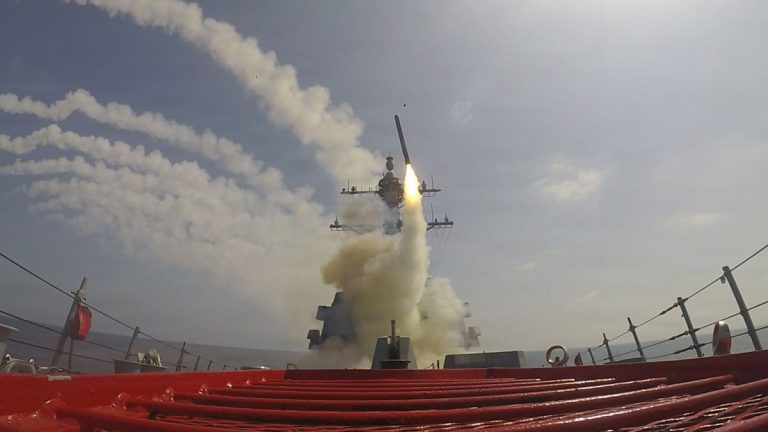
The fragile ceasefire pausing intense operations against Iran has given Pentagon officials a chance to assess the real impact on American weapons reserves. In just weeks of strikes and defensive intercepts, U.S. forces expended large numbers of their most sophisticated munitions to neutralize air defenses, hit hardened targets, and counter waves of drones and ballistic missiles. Stocks proved sufficient to continue if fighting resumed, yet the pace of consumption has left inventories thinner than planners would prefer ahead of any wider crisis.
Early phases of the campaign leaned on high-end, long-range systems that could strike from safer distances. Naval vessels fired more than a thousand Tomahawk missiles, while bombers delivered over 1,100 JASSM weapons. Newer ground-launched Precision Strike Missiles were nearly exhausted in their limited initial quantities. These tools delivered precise effects but carry multimillion-dollar price tags and cannot be replaced quickly.
Defensive interceptors faced equal demand. Patriot systems, THAAD batteries, and Standard Missiles fired repeatedly during initial Iranian salvos. Usage dropped sharply once launch rates fell, but several types saw more than half their prewar stocks consumed. The overall cost of munitions in the operation has been estimated in the tens of billions, highlighting the expense of even a limited high-tech fight.
Racing to Restore Depleted Inventories
Rebuilding these reserves faces structural obstacles. Complex missiles require specialized components, extensive testing, and production lines that have operated below wartime needs for years. Even with new funding, full recovery for several key items could stretch three to five years from contract award to final delivery. Manufacturing lead times have grown to 36 months or longer in recent cycles.
The current administration has pursued framework agreements with industry to accelerate output and place programs on a stronger footing. Contractors have announced plans to increase annual production significantly—Tomahawks toward one thousand per year, Patriot interceptors aiming for two thousand by 2030, and THAAD output quadrupling. The next defense budget reflects these priorities with larger procurement requests, yet money alone cannot compress the physical timeline.
These constraints create immediate tensions with partners. Japan’s scheduled Tomahawk deliveries have been delayed precisely when Tokyo is strengthening its posture against regional threats. Ukrainian leaders have noted that every interceptor sent to the Middle East reduces options available for their own defense. Similar concerns echo across NATO allies watching their own readiness levels.
Learning to Fight Smarter and Cheaper
One lasting lesson centers on the value of affordable mass. Relying solely on premium systems against low-cost threats quickly becomes unsustainable. U.S. forces therefore turned to cheaper precision kits for bombs and explored new options once air superiority allowed closer operations.
The campaign also featured combat use of low-cost drones known as LUCAS. Modeled in part on Iranian designs and priced around $35,000 each, these systems allow strikes at useful ranges without depleting expensive missile magazines. Complementary counter-drone tools, including Coyote interceptors and laser-guided rockets, offer additional economical layers against unmanned aerial threats.
Prewar studies had already warned that existing stockpiles fell short of requirements for a prolonged conflict with a capable peer. The current drawdown, combined with supply-chain dependencies on materials where China holds refining advantages, has made those shortfalls more visible. Future operations in the Pacific would likely consume munitions at even higher rates.
The coming months will test whether Washington sustains focus on both rapid replenishment of high-end systems and scaled production of affordable alternatives. Naval assets may soon shift back toward the Indo-Pacific, but their magazines will take years to refill to desired depths. How policymakers balance immediate wartime needs against long-term deterrence will influence American options in an era of simultaneous global pressures.
Original analysis inspired by Mark F. Cancian and Chris H. Park from Center for Strategic and International Studies. Additional research and verification conducted through multiple sources.