
Why US Pressure on Iran Keeps Failing
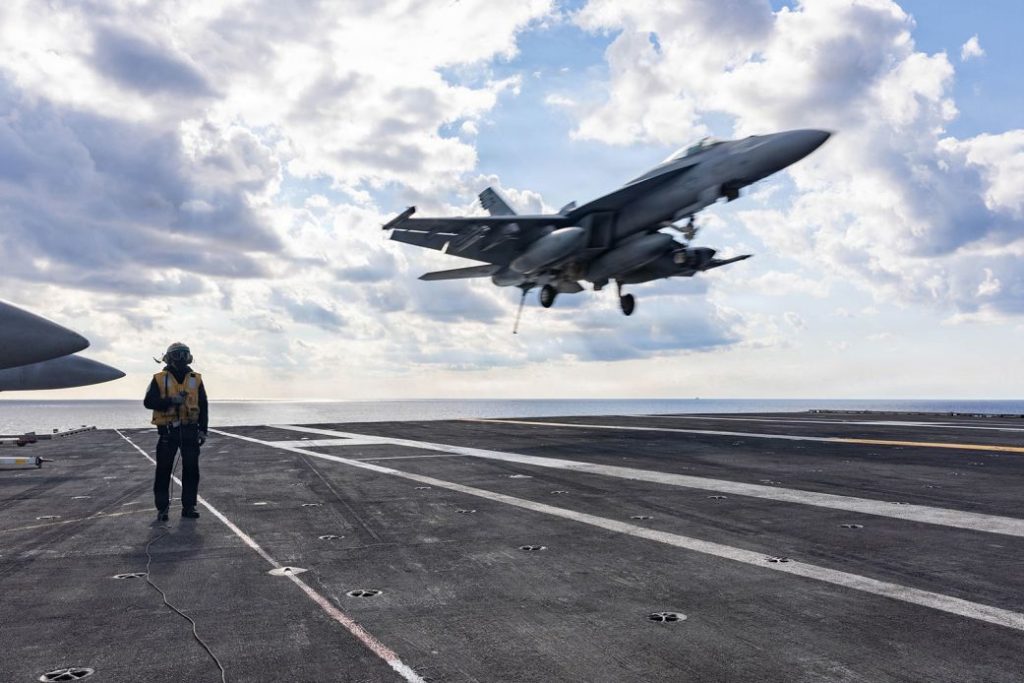
Recent American airstrikes and naval blockades have failed to yield the intended concessions from Tehran. Instead, Iran has consolidated domestic support and utilized its strategic position near the Strait of Hormuz to maintain leverage. With global oil prices surging and diplomatic channels narrowing, the confrontation highlights the limitations of force in resolving long-standing geopolitical disputes.
US-China Nuclear Rivalry Edges Closer to the Brink
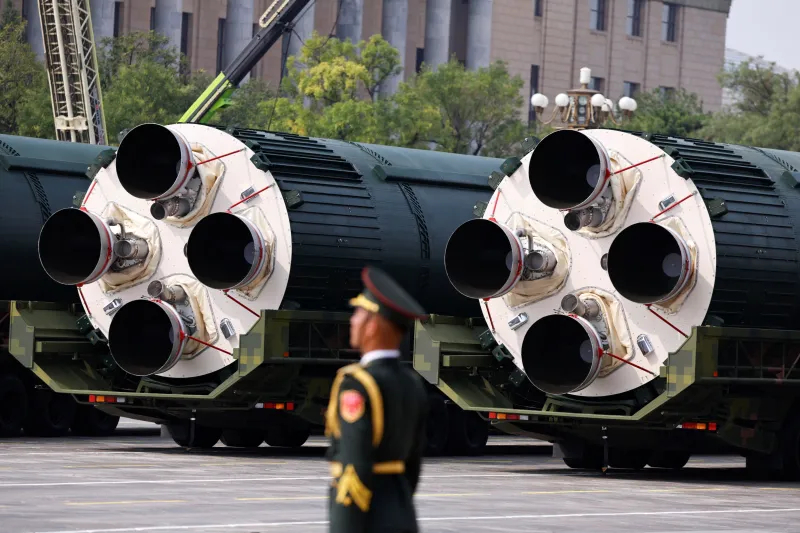
China’s rapid nuclear buildup, projected to exceed 1,000 warheads by 2030, is fundamentally reshaping global strategic stability. Driven by fears of US intervention, Beijing’s expansion has accelerated American modernization and deepened regional tensions. Breaking this cycle requires pragmatic, small-scale transparency measures and concrete discussions on restraint during upcoming high-level summits.
US Missile Stocks Dwindle After Iran Ceasefire
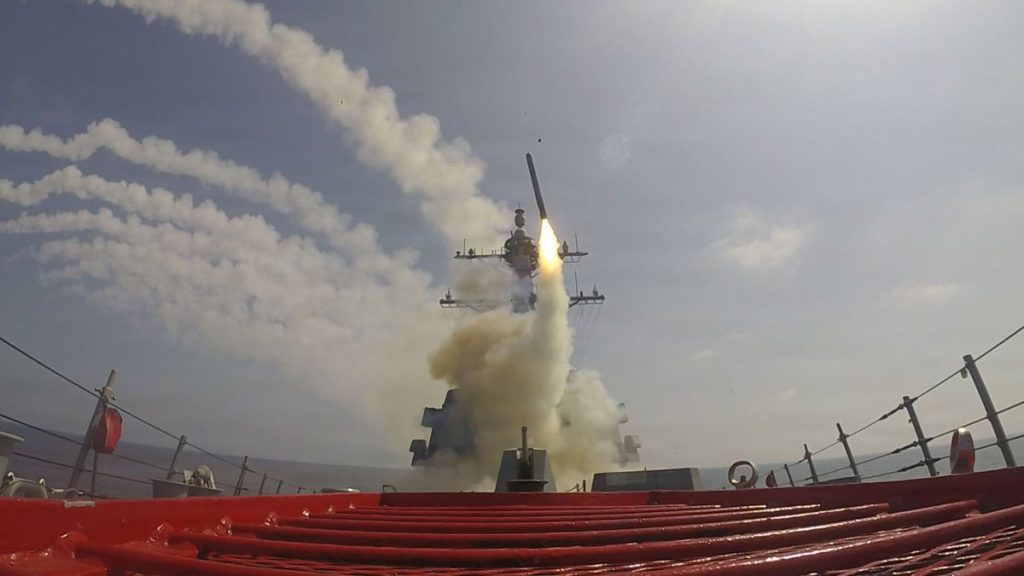
Following the ceasefire with Iran, Pentagon officials are assessing significantly depleted weapons inventories. The high consumption of expensive systems like Tomahawks and Patriots has highlighted a need for more sustainable options. Consequently, the U.S. is accelerating the production of affordable alternatives, including the $35,000 LUCAS “kamikaze” drone.
Hungary Vote Exposes EU’s Enduring Splits

The landslide victory of Péter Magyar’s Tisza Party in Hungary marks the end of Viktor Orbán’s 16-year rule and a significant turning point for the EU. While the new government promises to unblock major aid packages for Ukraine, enduring disagreements over enlargement and national sovereignty continue to challenge European unity.