Tag: Volodymyr Zelensky

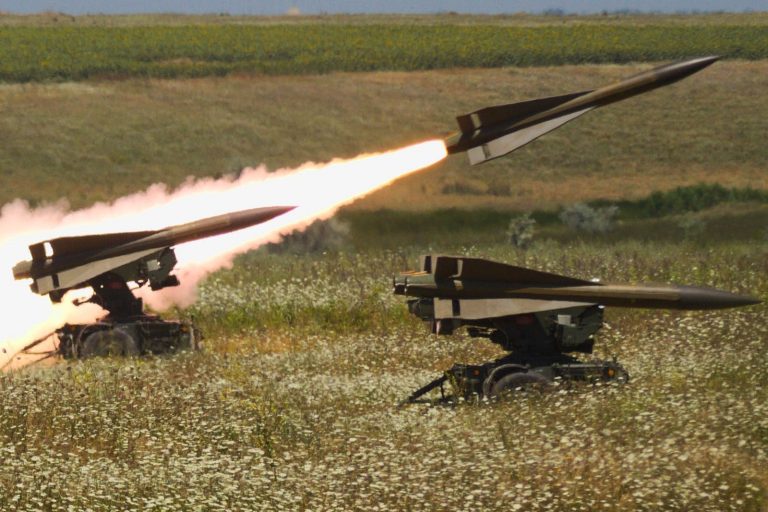
Surface-to-air missile launchers firing missiles in a field.

Resource Deficits Threaten Ukraine Defense Efforts

Critical interceptor shortages, devastating infrastructure strikes, and a looming $30 billion budgetary shortfall are severely straining defensive efforts. Compounded by internal procurement scandals and waning international political capacity, maintaining front line operations and urban protection is becoming an increasingly precarious struggle ahead of the winter season.
Read More »
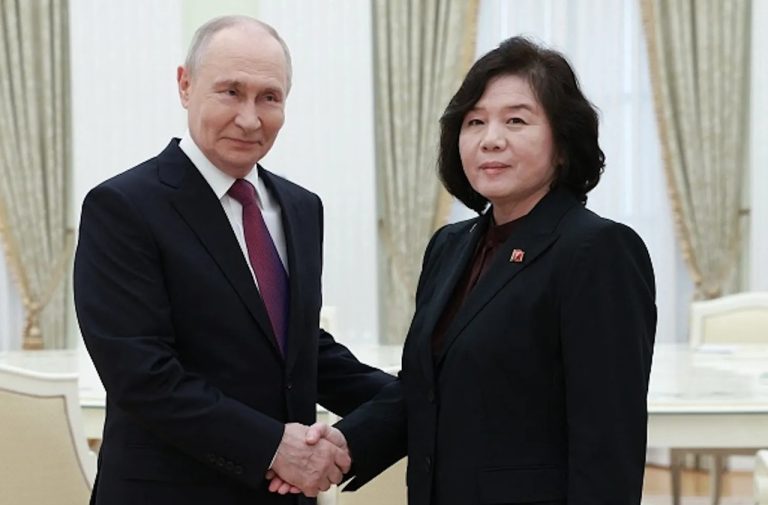
Vladimir Putin shaking hands with North Korean official Choe Son-hui during a formal meeting.

Moscow and Pyongyang Disrupt American Defense

As North Korea and Russia expand military cooperation across borders, traditional regional security paradigms fall short. The U.S. must rethink its strategy of isolated regional defense, serving as a vital intelligence bridge between European and Asian allies to counter intertwined threats.

Read More »
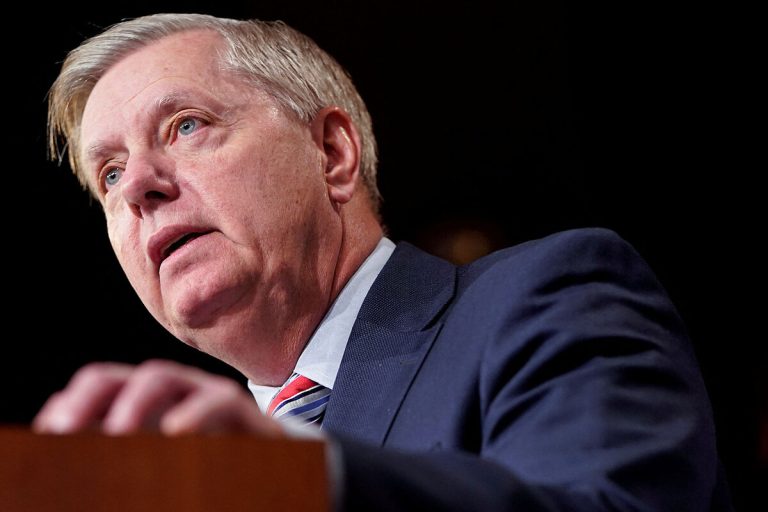
Senator Lindsey Graham speaking at a podium, symbolizing a shift in US foreign policy.

A Foreign Policy Vacuum Opens

Senator Graham’s death creates a dangerous foreign policy void, stripping the administration of its most effective dealmaker. As the GOP navigates a fragile Senate majority and internal rivalries, his absence leaves Ukraine’s aid and key confirmations in jeopardy. Can the party govern effectively without its most pragmatic survivor?

Read More »
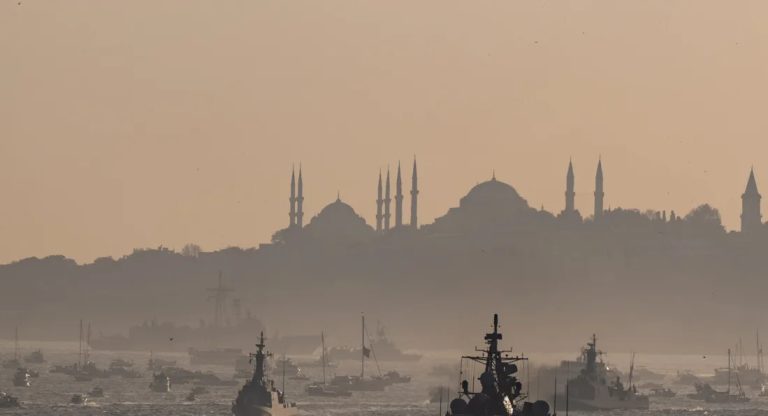
A hazy silhouette of Istanbul’s skyline, including mosques, overlooking ships in the harbor at sunset.

Turkey Holds the Key to Black Sea Security and Knows It

With the Montreux Convention entering its 90th year, Turkey has successfully leveraged its control over the Bosphorus and Dardanelles to become the ultimate gatekeeper of the Black Sea. This article explores how Ankara’s “regional ownership” strategy is shaping postwar security and balancing power between Russia and NATO.

Read More »
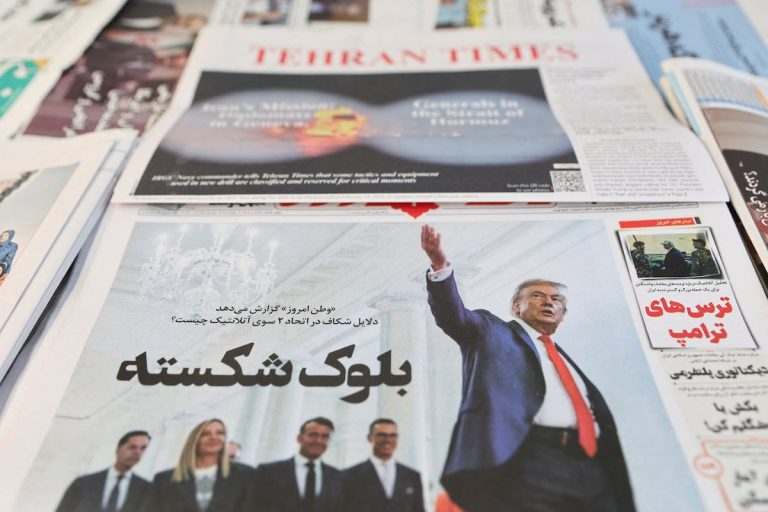
A collection of international newspapers featuring headlines about geopolitical instability and Donald Trump.

No Winners: How the Iran War Left Every Power Worse Off

This analysis argues that the recent Iran conflict resulted in a strategic failure for all major stakeholders. While regimes survived and tactical strikes occurred, the war eroded economic stability, shattered regional trust, and failed to establish a durable security architecture. By examining the structural damage to energy corridors and the hardening of nuclear ambitions, the piece demonstrates that the conflict left the Middle East more fragile and unpredictable, fundamentally undermining the influence of both regional and global powers.

Read More »
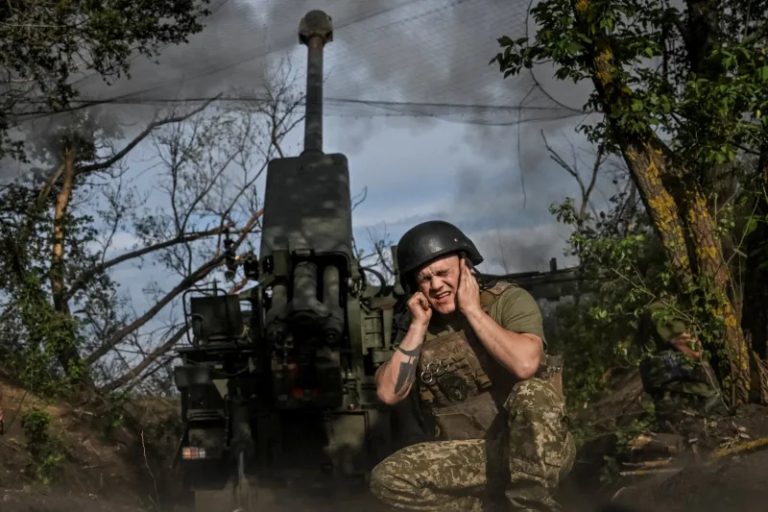
A Ukrainian soldier covering his ears near a heavy artillery piece during combat.

Ukraine’s Grinding War Is Slowly Turning Against Russia

As of June 1, 2026, the war in Ukraine is characterized by intensified aerial bombardment and long-range drone strikes, deepening the cycle of destruction. With diplomatic efforts stalled and both Moscow and Kyiv prioritizing battlefield gains over concessions, the conflict has settled into a high-intensity stalemate. This report examines the current military landscape, the impact of mid-range strike campaigns on logistics, and the growing divide between U.S.-led pressure for a swift resolution and the European commitment to a sustained, deterrence-based approach to Russian aggression.

Read More »
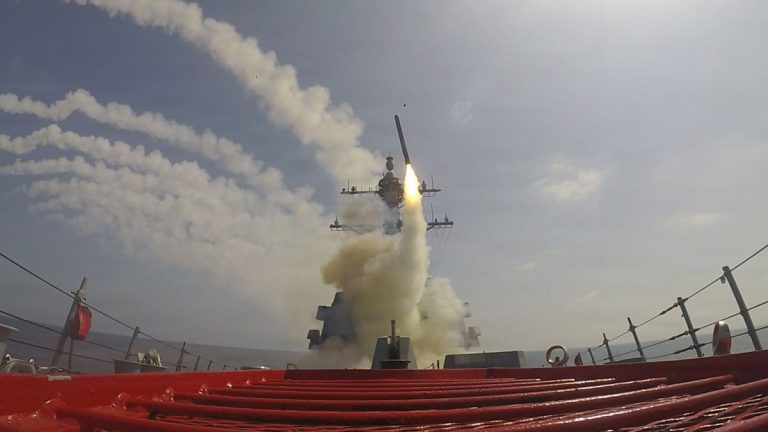
A missile being launched from the deck of a US Navy destroyer at sea, leaving a trail of white smoke.

US Missile Stocks Dwindle After Iran Ceasefire

Following the ceasefire with Iran, Pentagon officials are assessing significantly depleted weapons inventories. The high consumption of expensive systems like Tomahawks and Patriots has highlighted a need for more sustainable options. Consequently, the U.S. is accelerating the production of affordable alternatives, including the $35,000 LUCAS “kamikaze” drone.

Read More »
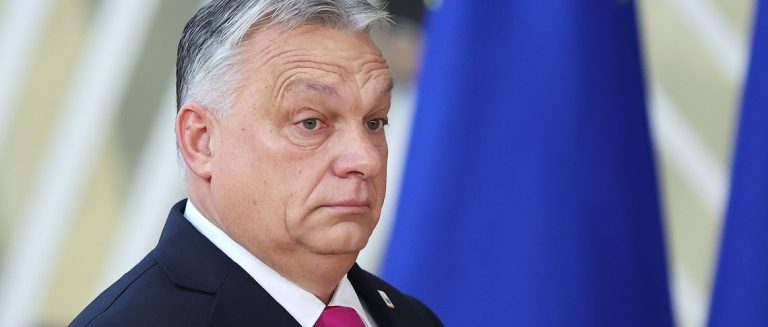
Close-up portrait of Hungarian Prime Minister Viktor Orbán against a blurred background of European Union flags.

Hungary Vote Exposes EU’s Enduring Splits

The landslide victory of Péter Magyar’s Tisza Party in Hungary marks the end of Viktor Orbán’s 16-year rule and a significant turning point for the EU. While the new government promises to unblock major aid packages for Ukraine, enduring disagreements over enlargement and national sovereignty continue to challenge European unity.

Read More »
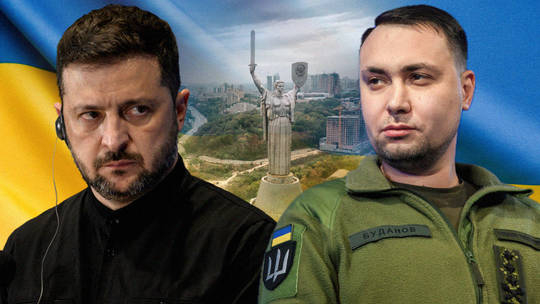
A composite image featuring Ukrainian President Volodymyr Zelenskyy on the left and military intelligence chief Kyrylo Budanov on the right, with the Mother Ukraine monument in Kyiv and the Ukrainian flag in the background.

Budanov’s Rise and the Kremlin’s Coup Narrative: What’s Real in Kyiv

The appointment of Kyrylo Budanov to head Ukraine’s Presidential Office has sparked Russian claims of an impending coup. However, the move is more likely a calculated effort by President Zelensky to neutralize a popular political rival and bolster his administration’s wartime credibility following high-level corruption scandals and domestic pressure.

Read More »
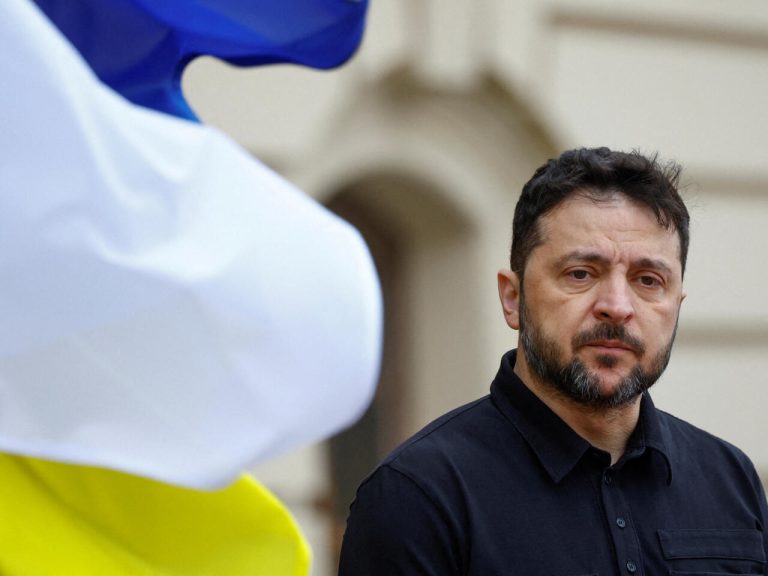
Close-up portrait of President Volodymyr Zelenskyy looking contemplative with a blurred Ukrainian flag in the foreground.

Zelensky’s Middle East Tour Tests Limits of Ukrainian Diplomacy

As Western fatigue sets in, President Zelensky has launched a high-stakes diplomatic campaign across the Middle East. Seeking to pivot from a dependent supplicant to a security provider, Kyiv is leveraging its frontline experience against Iranian drones to court Gulf investment. However, this report finds that regional powers—balancing their own ties with Moscow and Tehran—are unlikely to provide the transformative financial support Ukraine needs. In a multipolar world, pragmatism remains the only currency that counts.

Read More »
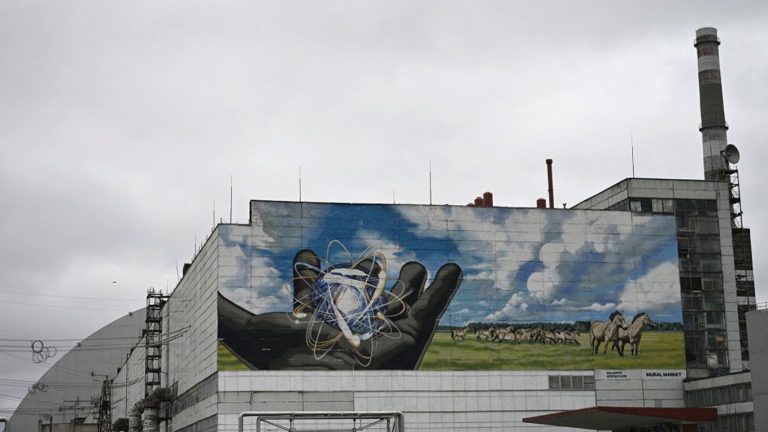
A large mural on the side of a Chernobyl Power Plant building depicting a hand holding an atom, with wild horses running in a green field.

Chernobyl at 40: The Unthinkable Has Become Routine

Forty years after the world’s worst nuclear disaster, the anniversary of Chernobyl is being marked by active bombardment and a deepening global safety crisis. With the New Safe Confinement damaged by drone strikes and Iran’s Bushehr facility reportedly hit multiple times, the routine targeting of nuclear infrastructure has exposed a fatal gap in international governance. This report examines the “double standards” of nuclear protection and the paralysis of the IAEA in an age where radioactive sites have become geopolitical pawns.

Read More »
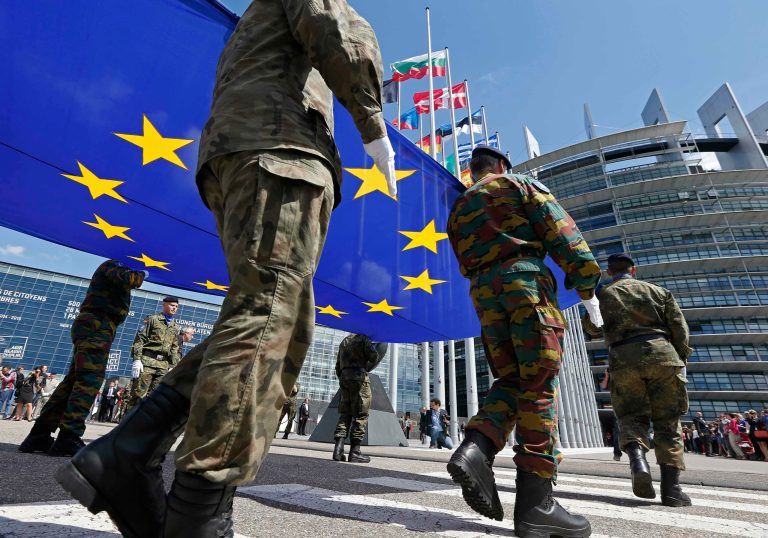
Soldiers in military uniforms carrying a large European Union flag in front of the European Parliament building with various national flags in the background.

Europe Can’t Defend Itself Without Turkey

Europe’s pursuit of strategic autonomy faces a harsh reality: its defense architecture is mathematically incomplete without Turkey. From drone supremacy to providing NATO’s deepest missile warning via Kürecik, Ankara offers the scale and industrial speed that the EU currently lacks. As Turkey prepares to command NATO’s Allied Reaction Force in 2028, Brussels must bridge political friction with strategic necessity to ensure a credible defense against regional threats.

Read More »