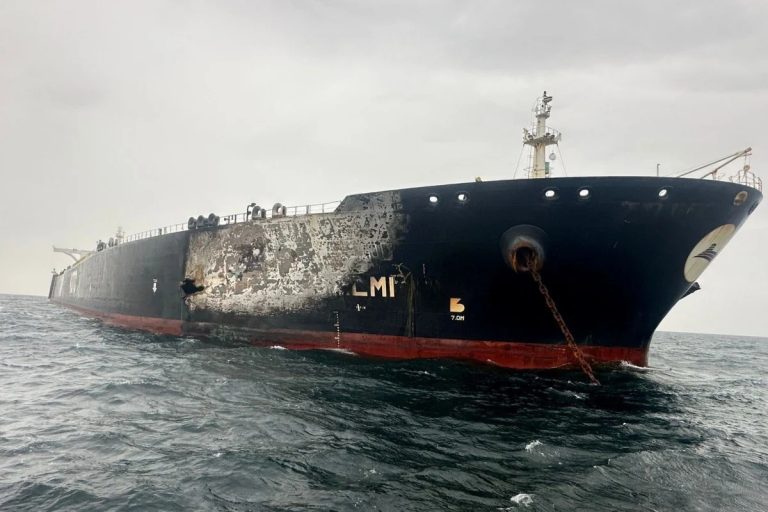
The fragile ceasefire between the United States and Iran has drawn fresh attention to one of the world’s most critical maritime passages. Control over the Strait of Hormuz, through which roughly one-fifth of global oil and significant volumes of liquefied natural gas flow daily, has emerged as a defining factor in the conflict’s aftermath. As demining operations continue and shipping slowly resumes, this narrow waterway underscores how geography and persistence can amplify influence in an increasingly fragmented international system.
Recent disruptions exposed the vulnerability of energy markets to even partial interruptions. The International Energy Agency described a full closure as potentially the greatest global energy security threat in history, with ripple effects on prices and supply chains worldwide. While direct fighting has paused, the ability to selectively manage traffic has given Tehran a tool that requires constant vigilance from naval powers to counter. Analysts note the asymmetry: sustained protection of every tanker demands extensive resources, while occasional threats can create uncertainty and higher insurance costs.
This dynamic fits broader patterns in multipolar competition. Much like Russia’s historical use of pipeline networks to exert pressure on European buyers, Iran’s position allows it to blend defensive capabilities with economic leverage. Gulf states have responded by accelerating bypass infrastructure, including expanded pipelines to the Red Sea and potential new routes toward Mediterranean ports. These moves aim to reduce single-point risks but also signal a quiet recalibration of regional dependencies.
Missed opportunities and shifting alliances
History offers context for today’s tensions. In the aftermath of the 2001 attacks on the United States, Iranian officials cooperated on intelligence sharing and border security against common threats in Afghanistan. Candlelight vigils in Tehran reflected public sympathy at the time. Yet subsequent policies hardened divisions, closing avenues for engagement that might have altered today’s trajectory. The current standoff, marked by maximalist positions on both sides, reflects accumulated mistrust rather than inevitable confrontation.
For neighboring countries, hosting foreign military bases has become a double-edged sword. Some Gulf capitals now weigh the security benefits against the risk of entanglement in wider conflicts. Reports indicate US personnel relocated to civilian facilities during peak tensions, raising questions about base utility and local exposure. This has encouraged discreet outreach toward Tehran, prioritizing stability over alignment in any single axis.
Global Markets and Strategic Calculations
Global markets have taken note. The International Monetary Fund has outlined scenarios where prolonged uncertainty could fuel inflation and tighter financial conditions through 2026 and beyond. Energy importers in Asia and Europe, already navigating diversified sources, face added pressure to secure alternatives. Meanwhile, major powers outside the immediate theater observe closely. China’s substantial imports through the region and Russia’s energy ties add layers to how this episode influences wider strategic calculations.
The episode illustrates evolving realities in a world where no single actor dominates outcomes. Iran’s emphasis on long-term positioning through the strait contrasts with shorter-term military objectives pursued by others. Experts like University of Chicago political scientist Robert Pape have highlighted how such control can elevate a state’s role without matching economic or conventional military parity. Whether this leads to formal toll mechanisms or negotiated access remains uncertain, but the precedent of selective management may endure.
In the end, sustainable energy flows benefit all parties. Successful management of this chokepoint could foster pragmatic arrangements that prioritize reliability over dominance. As bypass routes mature and diplomatic channels reopen, the region may move toward arrangements that accommodate multiple centers of influence rather than zero-sum contests. The coming months will test whether restraint and mutual interest can prevail over escalation in one of globalization’s most vital arteries.
Original analysis inspired by Alex Lo from South China Morning Post. Additional research and verification conducted through multiple sources.
By ThinkTanksMonitor