
US Leverage in Hormuz Weakens Iran’s Position Long-Term
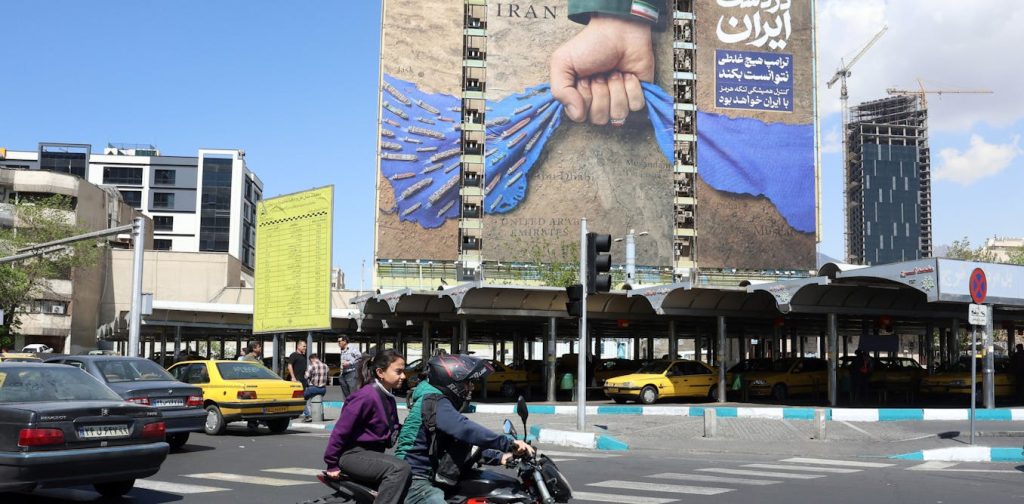
The strategic landscape of the Gulf is undergoing a permanent shift as the U.S. asserts maritime control over the Strait of Hormuz. With Saudi Arabia restoring its East-West pipeline to full capacity and regional powers investing in bypass routes, Iran’s traditional geographic leverage is weakening against a backdrop of massive domestic infrastructure damage.
The STEP Quartet: How Four Muslim Nations Are Reshaping the Middle East
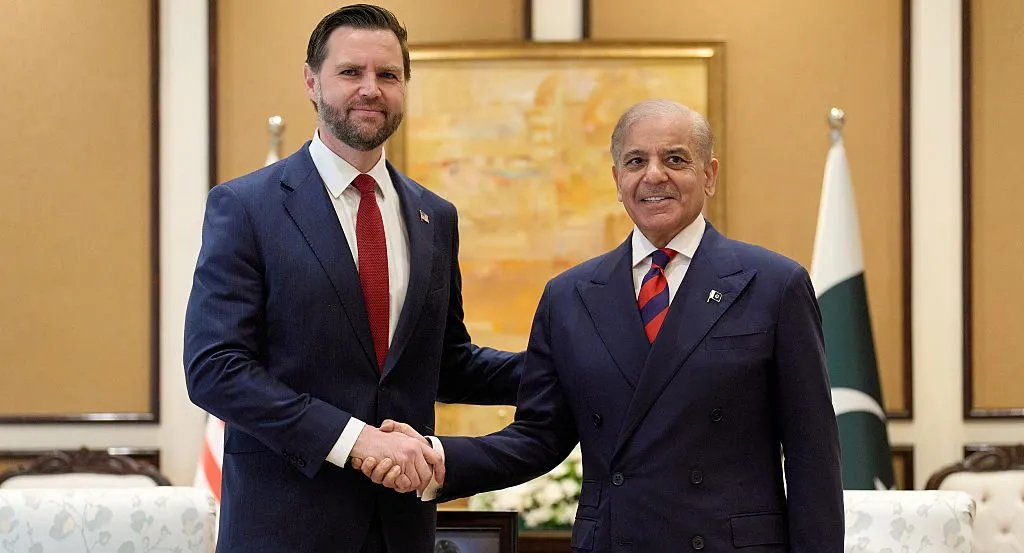
The emergence of the STEP quartet—Saudi Arabia, Turkey, Egypt, and Pakistan—marks a historic shift in Middle Eastern diplomacy. By brokering the Islamabad ceasefire, these four nations have positioned themselves as the primary mediators between Washington and Tehran, signaling a new regional order focused on strategic autonomy and collective security.
Iran’s Hormuz Leverage Reshapes Regional Power Balance
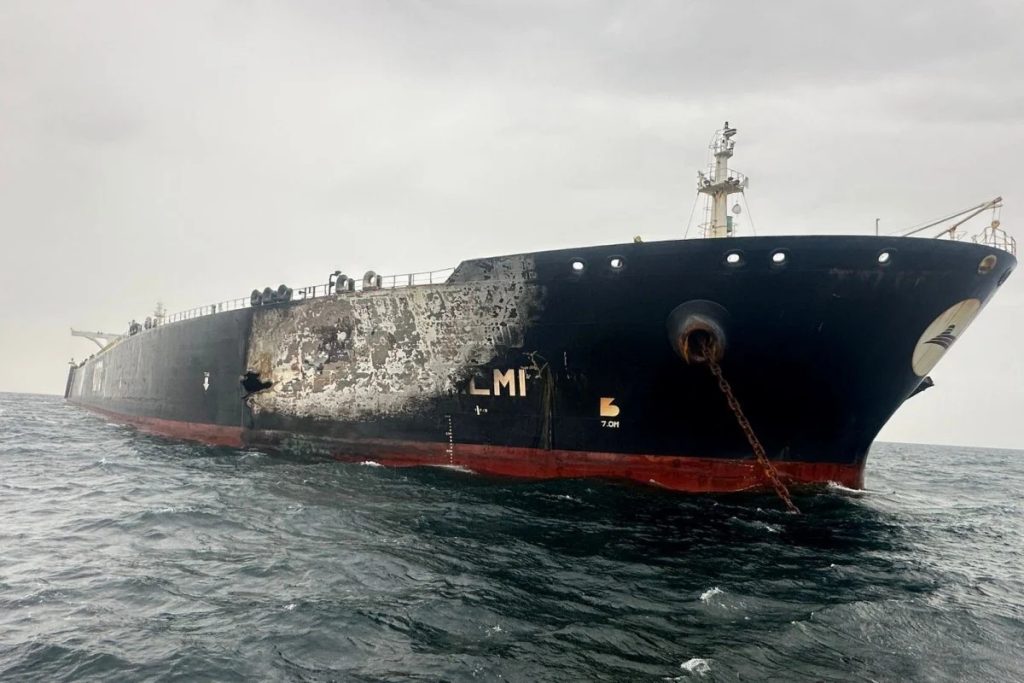
The strategic importance of the Strait of Hormuz has reached new heights in the wake of recent conflicts. By selectively managing one-fifth of the world’s oil supply, Iran has created a powerful economic lever that challenges conventional military dominance and forces global energy markets to recalibrate their long-term dependencies.
Iran Gains Edge in Online Battle Over US Conflict

A new digital frontline has emerged as Iran leverages AI-powered satire and viral content to challenge the U.S. narrative. While Washington’s messaging faces domestic criticism for its tone, Tehran’s creative use of humor and social media has effectively reached global audiences, highlighting the growing power of asymmetric information warfare.